
Blog
Less-than-Container Load (LCL) shipping is a popular method of sea freight. In import and export activities, when cargo volume is insufficient to fill an entire container, shippers can choose LCL shipping to significantly save time and costs. So, how is the LCL cargo handling process carried out? Let’s explore the details with 3W Logistics in the article below.
1. What is LCL?
LCL (short for Less than Container Load, also known as consolidated cargo) is a container shipping service for smaller shipments, suitable for businesses that need to ship low-volume goods to international markets via sea freight. Essentially, LCL involves consolidating cargo from multiple shippers, sorting and loading them into containers at a CFS (Container Freight Station), thereby optimizing transportation costs.
>> See more: Differences between LCL and FCL shipping services.
2. How many types of LCL shipping are there?
LCL shipping services include two main types: direct and via (transshipment).
- Direct shipment: Goods are transported directly from port A to port B according to the sales contract, without unloading or transshipment at intermediate ports.
- Transshipment (via):The cargo may be routed from port A to port B via port C, where it is unloaded, consolidated, and reloaded before reaching the final destination.
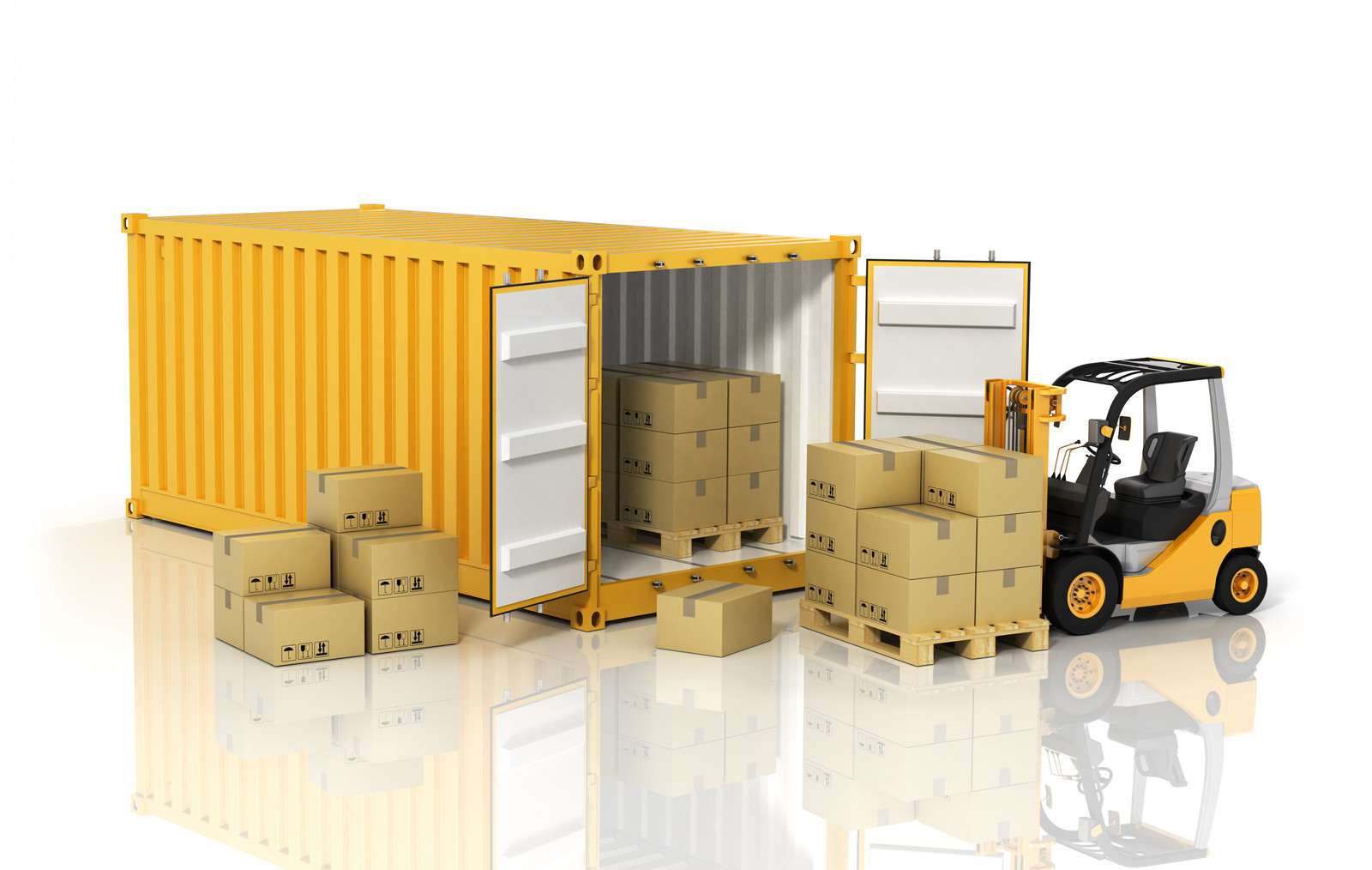
Typically, LCL shipments are transported either via direct shipment or transshipment depending on the shipper’s requirements
3. Characteristics of LCL shipping
LCL shipping services have the following characteristics:
- The shipper must pay transportation costs when the cargo is delivered to the CFS warehouse.
- The shipper must provide all relevant documents and receive a House Bill of Lading issued by the consolidator.
- In many cases, LCL shipping is combined with FCL logistics, such as FCL/LCL (full container delivery with partial unloading) or LCL/FCL (consolidated shipment delivered as a full container).
>> See more: Shipping to the U.S.
>> See more: Shipping services to Canada
4. Benefits of LCL shipping
In addition to FCL, LCL shipping is widely chosen by businesses due to three key benefits:
Cost savings
If the shipper (individual or business) has a small volume of goods that cannot fill a full container, LCL is an ideal solution. Instead of paying for the entire container, the shipper only pays for the space used, significantly reducing costs.
Reduced warehousing costs
LCL shipping allows goods to be shipped promptly without prolonged storage, minimizing additional warehousing expenses.
Time efficiency
With LCL shipping, shippers do not need to wait until a container is fully loaded. Once the cargo is ready, it can be shipped immediately, saving time and ensuring timely delivery.
>> See more: Ocean freight rates
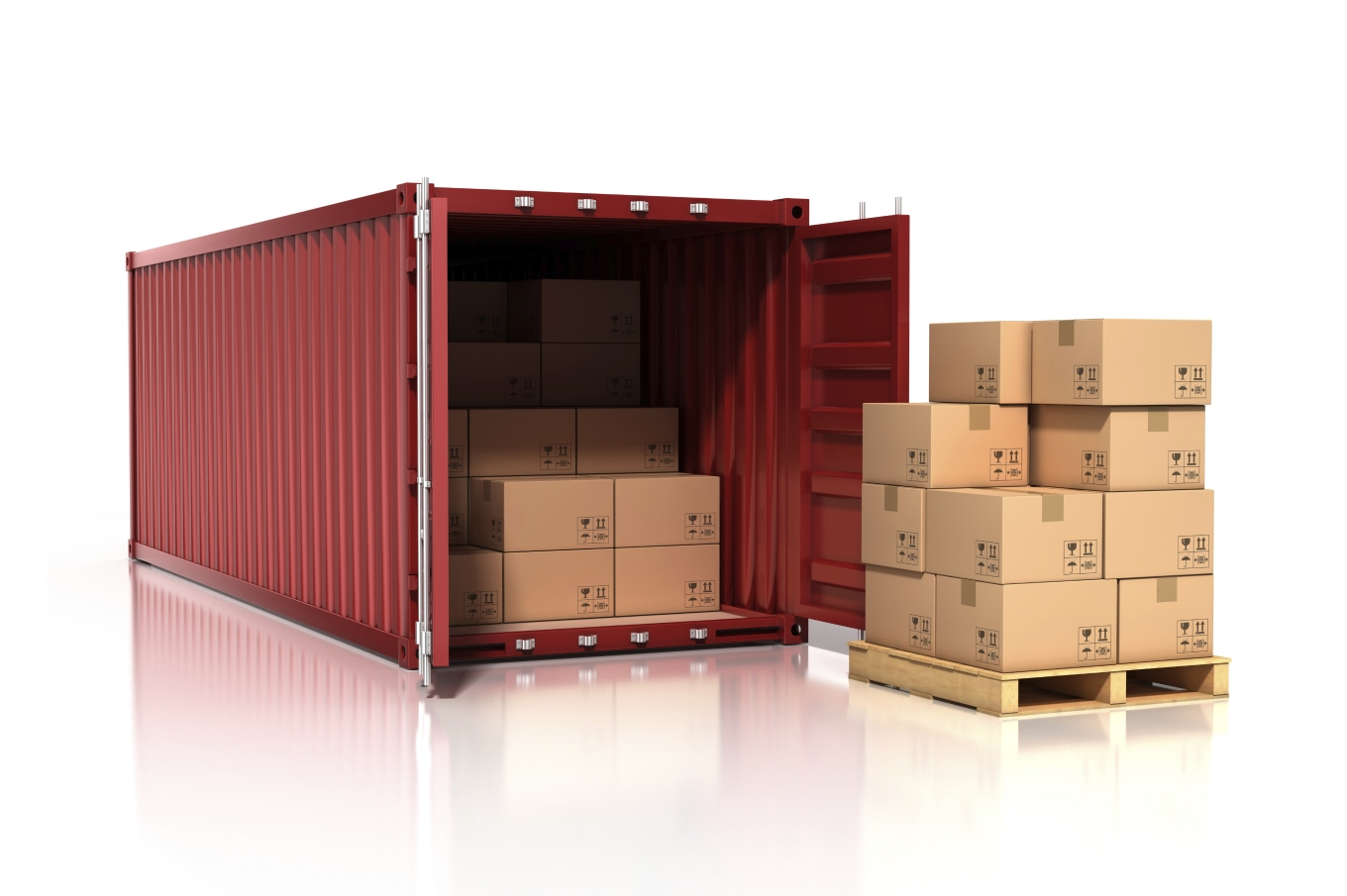 LCL shipping does not require long-term storage, offers faster transit times, and significantly reduces costs for businesses
5. What is the LCL import-export process?
Below is the full LCL shipping process (applicable for both imports and exports):
5.1 LCL export process
The LCL export process includes the following four steps:
Step 1: After successful negotiations, the importer and exporter sign a sales contract.
Step 2:The exporter receives a deposit or full payment according to the agreed contract terms.
Step 3: Based on the agreed Incoterms and timeline, the exporter arranges cargo delivery. The process includes:
- Selecting a suitable consolidator (Master Consolidator).
- Booking space with the LCL service provider.
- Arranging inland trucking.
- Packing goods according to contract requirements.
- Completing export customs clearance procedures.
- Delivering cargo to the CFS warehouse for consolidation.
Step 4: After shipment, the exporter prepares and sends the complete set of shipping documents to the importer. It is important to ensure accuracy for smooth and timely cargo receipt.
>> See more: Shipping from Vietnam to China
5.2 LCL Import Process
The LCL import process is carried out through the following 6 steps:
Step 1: The exporter and importer sign a foreign trade contract after negotiating and agreeing on all terms such as product type/specifications, pricing, payment terms, shipment date, and applicable Incoterms.
Step 2: The importer applies for an import license from the competent authorities. This step can be skipped if the goods do not require a license.
Step 3: After obtaining the import license, the importer makes a deposit and payment according to the contract terms.
Step 4: Based on the agreed Incoterms and delivery schedule, the exporter arranges shipment and provides the export documentation to the importer.
Step 5: Once the goods arrive at the port, the importer submits the required documents to complete customs clearance procedures for the LCL shipment.
Step 6: After customs clearance is approved, the importer can collect the goods from the CFS warehouse and transport them to their own warehouse. This completes the LCL shipping process.
>> See more: Cashew export procedures
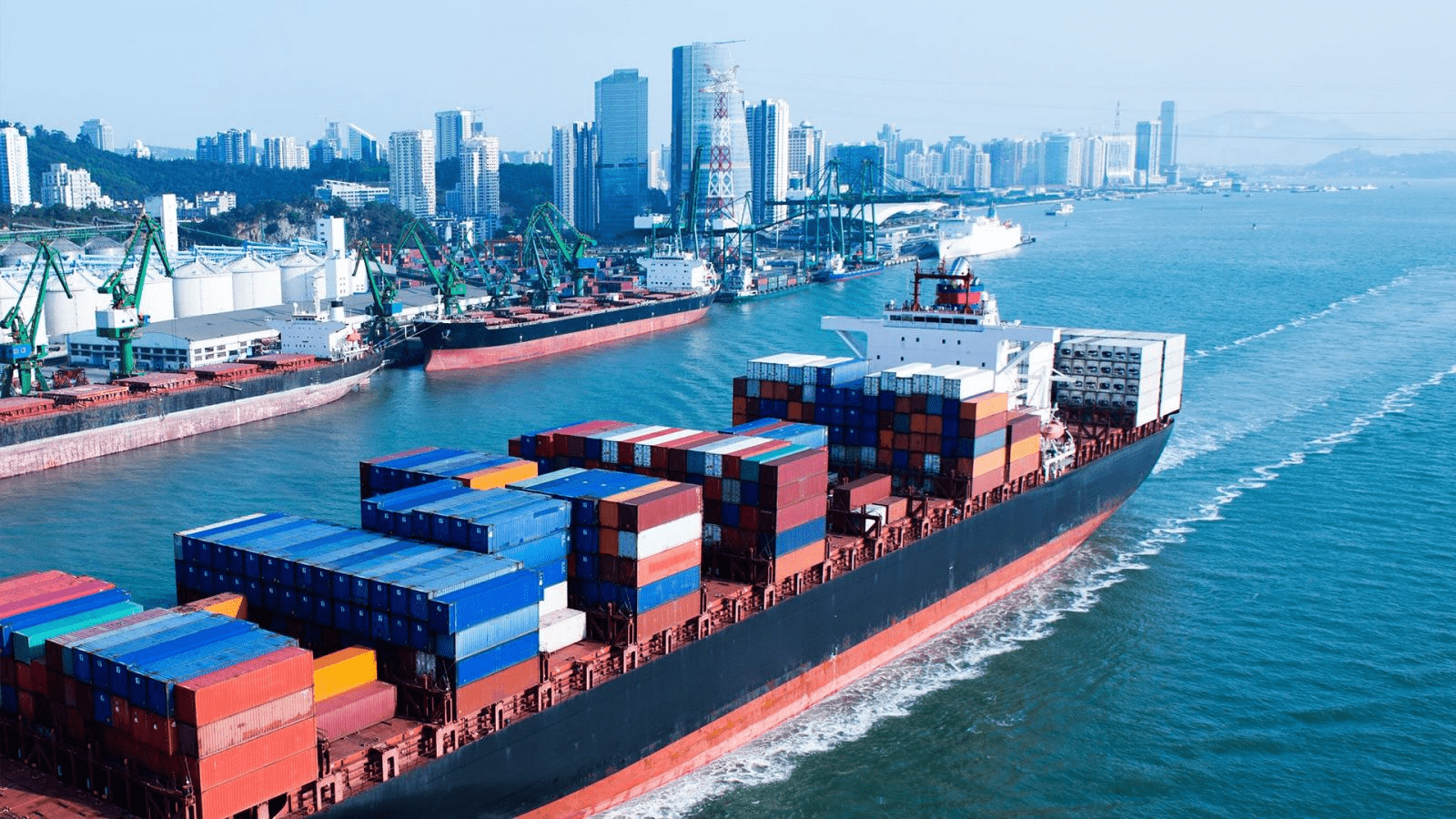 The LCL import-export process requires all parties to clearly understand their responsibilities and complete necessary tasks according to the contract to ensure smooth customs clearance
6. Responsibilities of parties in LCL shipping
In LCL shipping, the shipper, consolidator, carrier, and consignee must fulfill their responsibilities as agreed in the contract, as follows:
6.1 For the LCL shipper
- Pack, arrange, and transport goods to the CFS warehouse in a timely manner.
- Complete export customs procedures or other related formalities.
- Provide shipment details so the consolidator can issue and confirm the bill of lading.
6.2 For the consolidator
- Receive information about LCL shipments to be consolidated.
- Sort, arrange, and load cargo into containers for delivery to the CFS warehouse.
- Issue a House Bill of Lading to customers.
- Notify customers when the cargo arrives at the destination.
6.3 For the LCL carrier
- The carrier is responsible for safeguarding the cargo and ensuring it remains intact without damage until arrival.
6.4 For the LCL consignee
- Prepare import documentation and complete customs clearance procedures.
- Present the appropriate bill of lading to the consolidator or their representative to receive the cargo.
- Collect goods at the CFS warehouse.
>> See more: Agricultural export standards to Europe
>> See more: Ocean freight rates to the U.S.
7. How to calculate LCL ocean freight charges
To understand how LCL freight is calculated, businesses should be familiar with the following terms:
- CBM (Cubic Meter) is the most common unit used to measure cargo volume. The formula is: length (m) × width (m) × height (m).
- Metric Ton (MT) is the unit used to measure cargo weight. 1 Metric Ton = 1,000 kilograms.
- Freight Ton (FT) and Revenue Ton (RT) are used to calculate LCL freight charges by comparing CBM and MT. The higher value is applied.
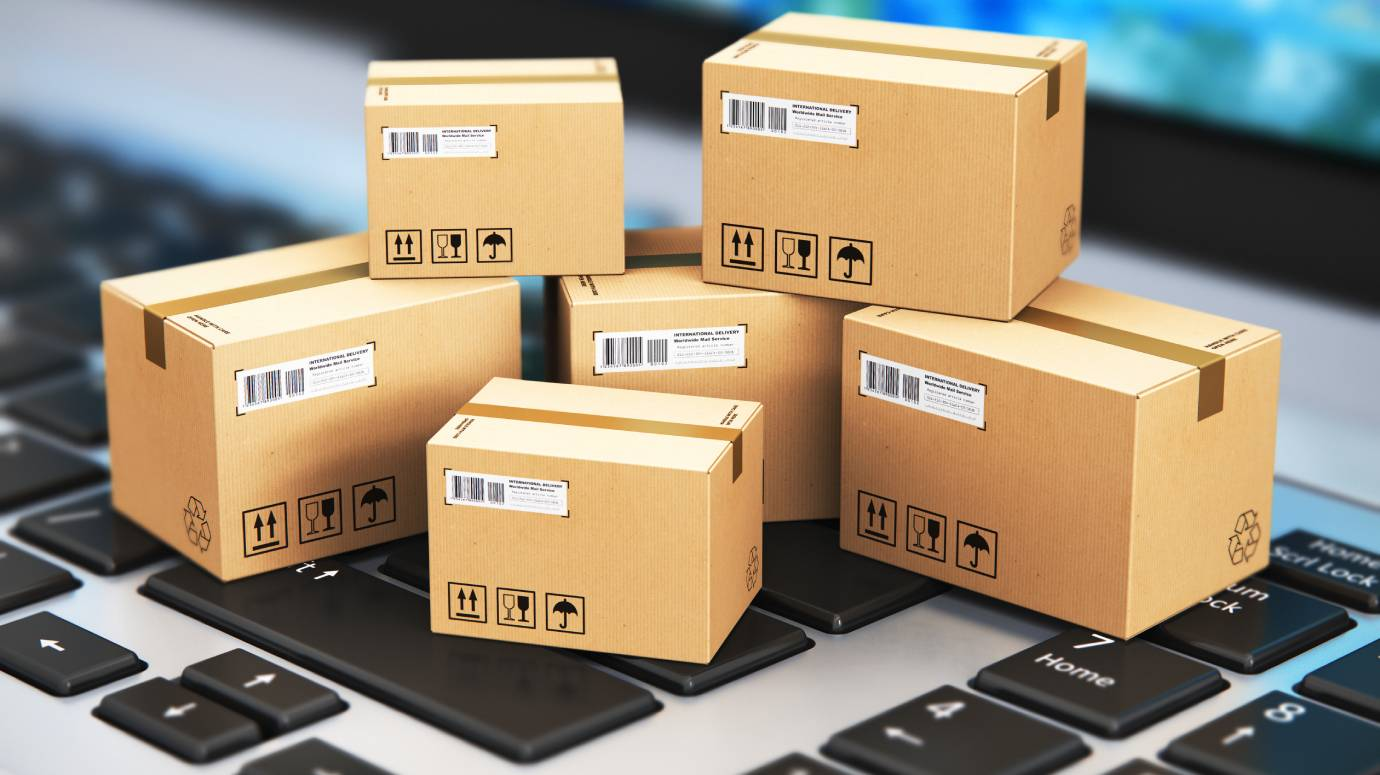 CBM, Metric Ton, Freight Ton, and Revenue Ton are key concepts businesses must understand to calculate LCL freight costs quickly and accurately
Additionally, the steps to calculate LCL freight charges include:
Step 1: Determine the cargo dimensions (length, width, height). For example: 3.2m × 1.2m × 2.2m = 8.448 CBM.
Step 2:Determine the cargo weight in metric tons. For example: 1.2 tons (1,200 kg).
Step 3: Apply the freight rate provided by the consolidator:
- Volume-based cost: 8.448 CBM × 12 USD = 101.376 USD; or
- Weight-based cost: 1.2 tons × 12 USD = 14.4 USD.
Step 4: Compare the two results. Since the volume-based cost is higher, the applicable freight charge is 101.376 USD (Revenue Ton).
8. LCL shipping services at 3W Logistics
Currently, 3W Logistics is a reputable provider of LCL shipping services with extensive experience and advantages in ocean freight, including:
- Providing flexible LCL and FCL solutions, partnering with major shipping lines such as Maersk Lines, Sea Land, ONE, Yang Ming, Evergreen, COSCO, Hyundai, and OOCL, ensuring competitive pricing for businesses.
- Offering global LCL routes covering the U.S., Canada, Asia, Europe, India, and the Middle East, with particular strengths in the U.S. and Canadian markets.
- Serving a wide range of industries including agriculture (coffee, tea, cashews, seafood), consumer goods (noodles, confectionery), textiles, wood, rubber, and furniture.
- A professional and experienced team supporting documentation, licensing, inspections, and customs clearance to ensure smooth shipment processing.
- A global agent network to support customer inquiries and handle issues anytime, anywhere.
For consultation and detailed quotations on LCL shipping services, please contact 3W Logistics HERE!
| SEE MORE SHIPPING PROCEDURES 1. AGRICULTURAL EXPORT PROCEDURES |


