

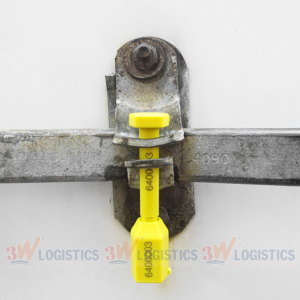
Why Are Seals Important?
In import-export operations, a seal is almost mandatory for containers. Without a seal, or if the seal is invalid, the container may be refused for carriage or held at the port. A seal is also considered the “security locking key”, protecting the cargo and building trust throughout the supply chain. Let’s explore some common types of SEALS below!

Illustration of a SEAL
Common Types of Seals
1. Plastic Seal
Made from hard plastic and cost-effective.
Used for sacks, carton boxes, and trucks.
Single-use and easy to cut.

Illustration of a plastic seal
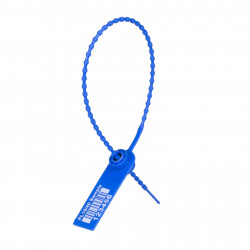
2. Lead Seal (Wire Seal)
- Consists of a lead pellet and steel wire.
- Simple to use with moderate security.
- Commonly used for cargo bags and warehouses.

Illustration of a lead seal
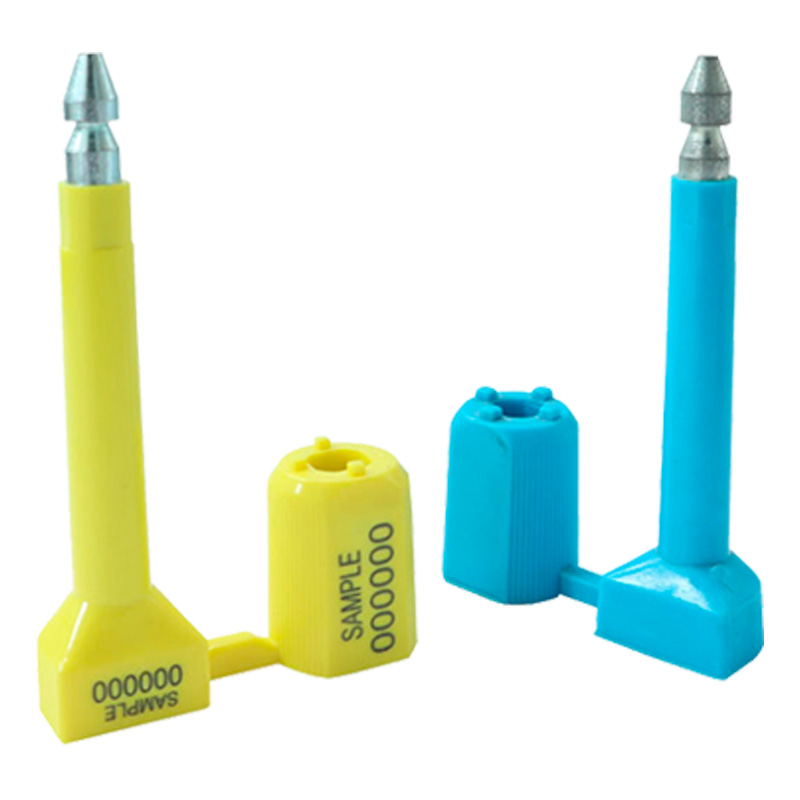
3. Cable Seal
- A steel cable with a locking head on one end and adjustable length.
- High security with strong anti-tampering and cut resistance.
- Used for containers, trucks, and warehouse cargo.
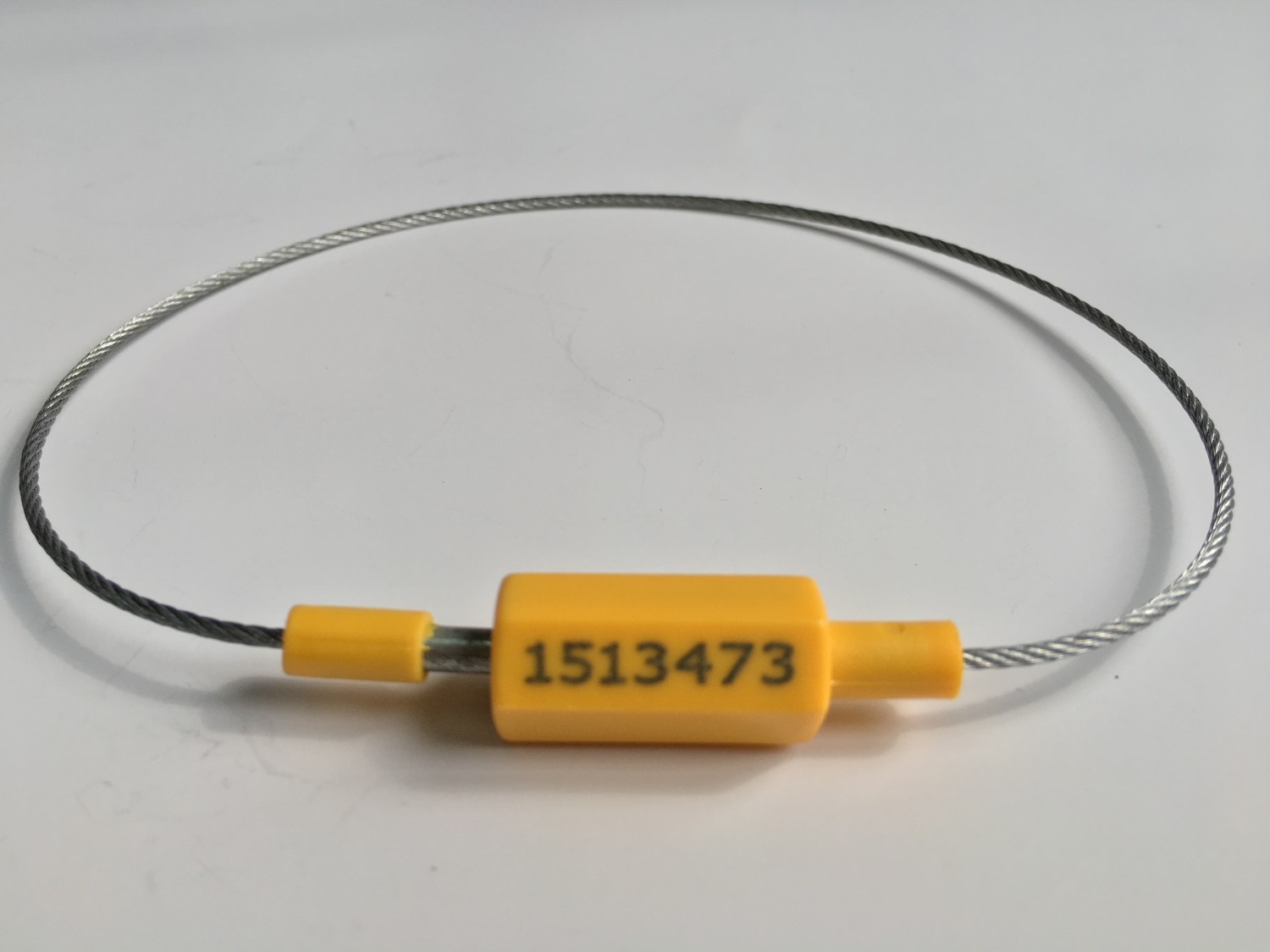 Illustration of a cable seal
Although small in size, seals are the “security shield” of logistics, helping protect cargo, prevent fraud, and enhance trust in trade transactions. Depending on operational needs, businesses can choose suitable seal types: from plastic, lead, and paper seals for domestic and small shipments, to bolt seals, cable seals, and e-seals for international containers.
👉 It can be said that an intact seal is the strongest proof that your cargo has remained secure throughout its journey from warehouse to consignee.
____________________
If you are still looking for a reliable logistics partner, don’t hesitate to contact 3W Logistics today!
𝗧𝗲𝗹: +84 28 3535 0087
𝗘𝗺𝗮𝗶𝗹: quote@3w-logistics.com
𝐖𝐞𝐛: www.3w-logistics.com
————————–
3𝑾 𝑳𝑶𝑮𝑰𝑺𝑻𝑰𝑪𝑺 𝑪𝑶., 𝑳𝑻𝑫 – 𝑾𝒆 𝒉𝒆𝒓𝒆 𝒔𝒆𝒓𝒗𝒆 𝒚𝒐𝒖 𝒕𝒉𝒆𝒓𝒆!
#3wlogistics #logistics #importexport #logisticsknowledge #SEAL #internationalshipping #forwarder #seafreight

Hello, I’m Nguyen Phuong Nhan (Ms. Nina)
I currently serve as Trade Lanes Supervisor at 3W Logistics, with more than 10 years of experience in international logistics and freight forwarding.
My primary responsibility is developing and managing global logistics partnerships, building strategic trade lanes, and working closely with overseas agents to provide reliable and competitive transportation solutions for customers.
I regularly collaborate with agents and logistics partners worldwide to explore new business opportunities, negotiate freight rates, develop trade routes, and support import-export shipments. I also work closely with our sales team to design logistics solutions tailored to specific markets and customer requirements.
My expertise includes Ocean Freight, Air Freight, Trade Lane Development, Global Agent Network Management, International Logistics Solutions, and Import-Export Support.
Through the articles I share on the 3W Logistics website, I aim to provide practical insights into the international logistics industry, global transportation trends, overseas agent cooperation, and effective logistics strategies that help businesses optimize their supply chain operations.
I believe that strong global partnerships and well-developed trade lanes are essential to delivering sustainable logistics solutions and long-term value to customers worldwide.


