
The CFS fee is a term commonly encountered in the import-export sector. However, not everyone fully understands what the CFS fee is or who is required to pay it. Let’s explore the information shared by 3W Logistics in the article below!
1. What is the CFS fee?
In the import-export field, CFS stands for Content Freight Station and can be understood in three ways, corresponding to location, certification, and cost:
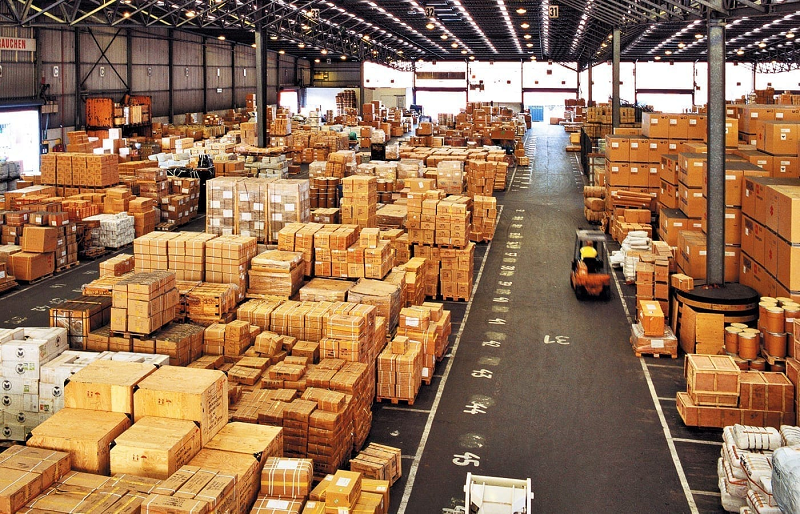
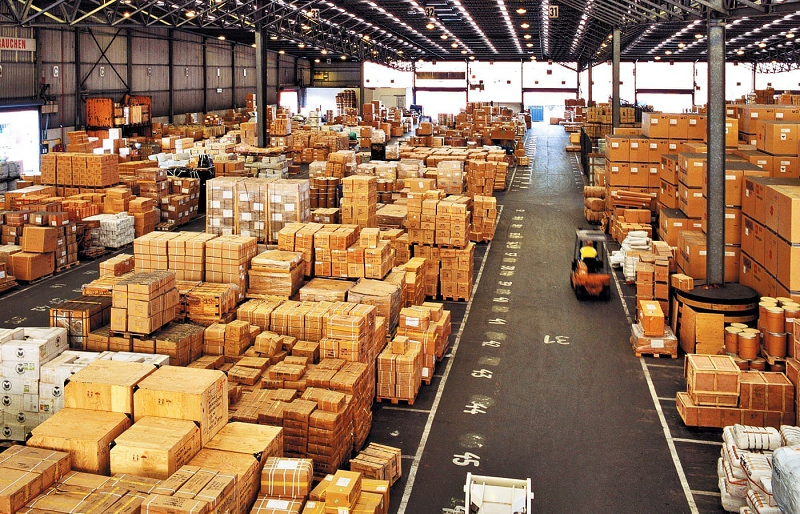
- Definition by location: CFS is a specialized warehouse for storing less-than-container-load (LCL) shipments. There are two types of cargo: FCL and LCL, where FCL refers to full-container shipments and LCL refers to smaller shipments stored in a CFS warehouse.
- Definition by certification: CFS is a document certifying that goods are allowed to be freely stored within the exporting country. This certificate is issued by the competent authority of the exporting country.
- Definition by cost: CFS also refers to a fee that businesses must pay to handle the movement of goods into and out of the CFS warehouse and port.
Specifically, the CFS fee covers operations such as lifting, lowering, transporting, and moving goods from forklifts to the port and loading them into containers.
Understanding the CFS fee helps ensure smoother import-export processes.
2. Distinguishing CFS fee from THC fee
To differentiate between CFS and THC fees, it’s important to understand THC first. THC stands for Terminal Handling Charge, which is a surcharge for cargo handling at the port. This fee covers operations such as port management, moving containers to the dock, and loading/unloading containers from ships.
Although both CFS and THC relate to cargo handling, they are different. Key differences include:
- CFS fee: Charged by the forwarder while goods are in the warehouse awaiting unloading, packaging, or loading into a container. It is calculated based on cubic meters (CBM).
- THC fee: Charged by the forwarder for loading or unloading goods onto/from the shipping line. It is calculated per container.
3. Role of the CFS fee in import-export
So, what role does the CFS fee play? It is an important part of import-export operations, specifically:
3.1 CFS fee as a source of government revenue
In addition to taxes, the CFS fees collected from businesses at customs ports are considered a source of state revenue. These fees are also used to fund maintenance and repairs of port facilities.
3.2 CFS fee ensures legal compliance
In some cases, legal regulations require CFS fees for LCL imports. For example, goods subject to CFS fees include:
- CFS warehouses storing imported goods that have not completed customs procedures.
- CFS warehouses accepting exported goods that have completed customs procedures but require physical inspection.
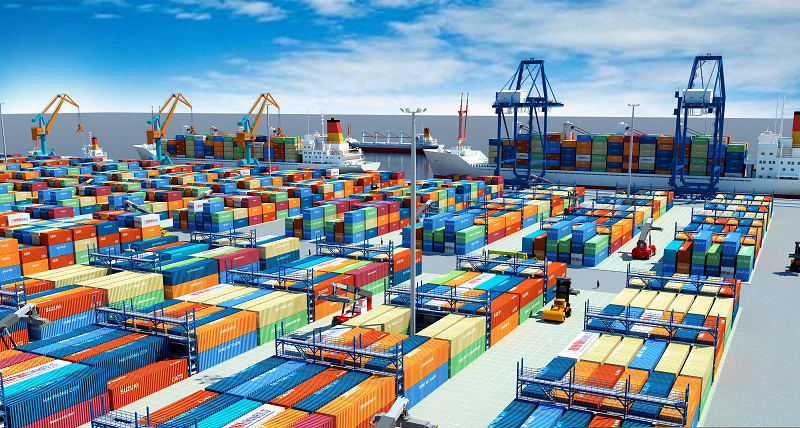
Besides understanding what the CFS fee is, note that it contributes to state revenue and ensures legal compliance.
4. Key notes about the CFS fee
- Entities subject to CFS fee: Includes imported goods, LCL cargo not yet cleared, and exported goods requiring inspection.
- CFS fee rates: Ranges from 15–18 USD, but may vary depending on the time and shipping company.
- CFS fee collection process: Customs at the port collect the fee from the forwarder, who then charges the businesses sending goods for import/export according to the regulated CFS fee.
- Other notes: CFS fees only apply to LCL shipments because they require consolidation in the container at the port. For FCL shipments, businesses rent and use their own containers and perform loading/unloading directly at the warehouse or factory.
The above content provides a full explanation of what the CFS fee is and related considerations. This article aims to help businesses better understand this fee, ensuring smoother import-export processes and compliance with the law.

Mr. William, Vietnamese name Vu Van Nho, is the CEO of 3W Logistics. In his leadership role, he is responsible for strategic development, business operations, and improving the company’s logistics service quality.
He has experience in logistics, import-export operations, and international transportation, especially in sea freight, air freight, inland transportation, customs procedures, and supply chain solutions for businesses.
With a practical business mindset and a customer-focused approach, Mr. William aims to develop 3W Logistics into a reliable, professional, and efficient logistics service provider for import-export companies in Vietnam.


