What Is Ocean Container Shipping and 5 Things You Need to Know
In addition to road and rail transport, ocean container shipping is increasingly used by many businesses due to its unlimited capacity, cost efficiency, and better cargo protection. In the article below, 3W Logistics provides essential information about ocean container transportation.
1. What is ocean container shipping?
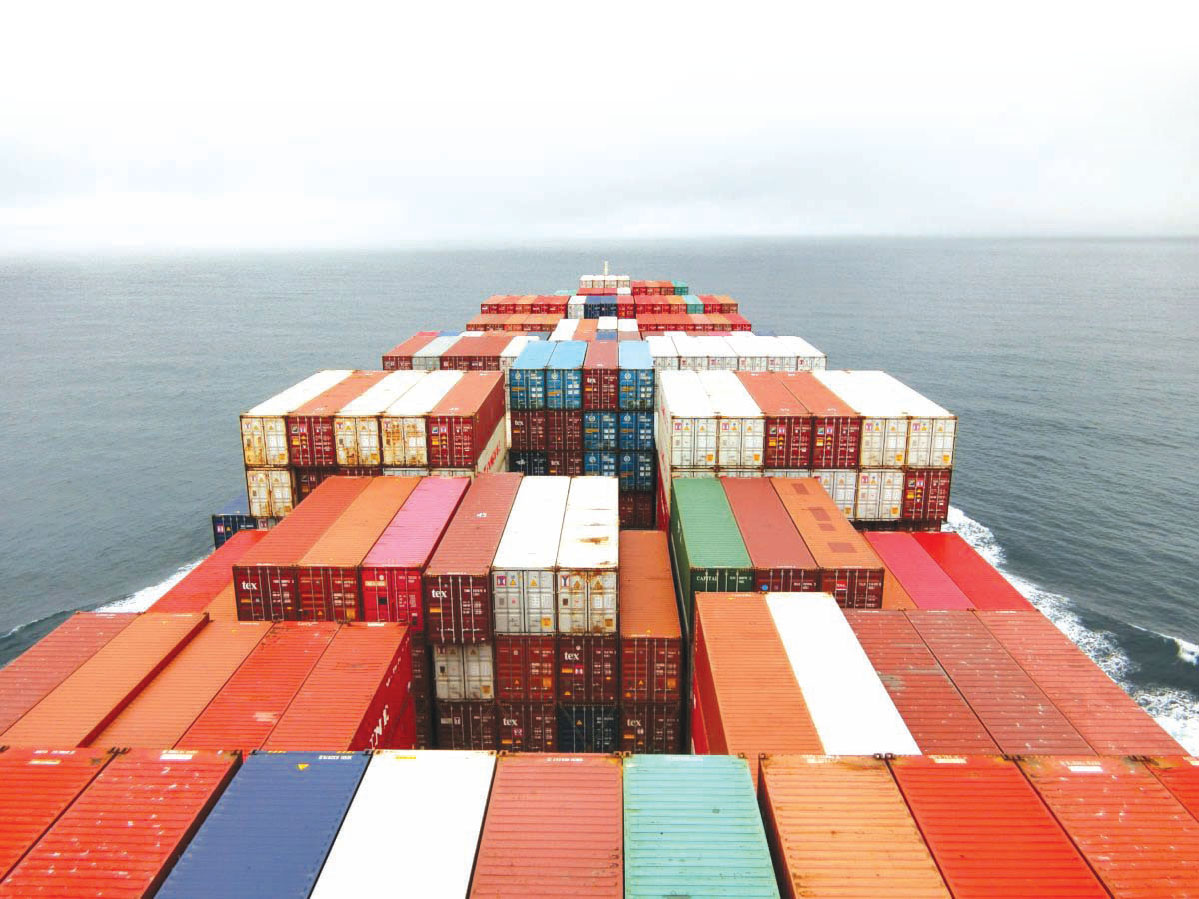
Ocean container shipping is a method of transporting goods using containers via domestic or international sea routes. Accordingly, a container is a large rectangular steel box with two doors and secure sealing locks. Thanks to its strong durability and ability to protect cargo quality, ocean container transport is becoming increasingly popular today.
>> See more: Sea freight transit time
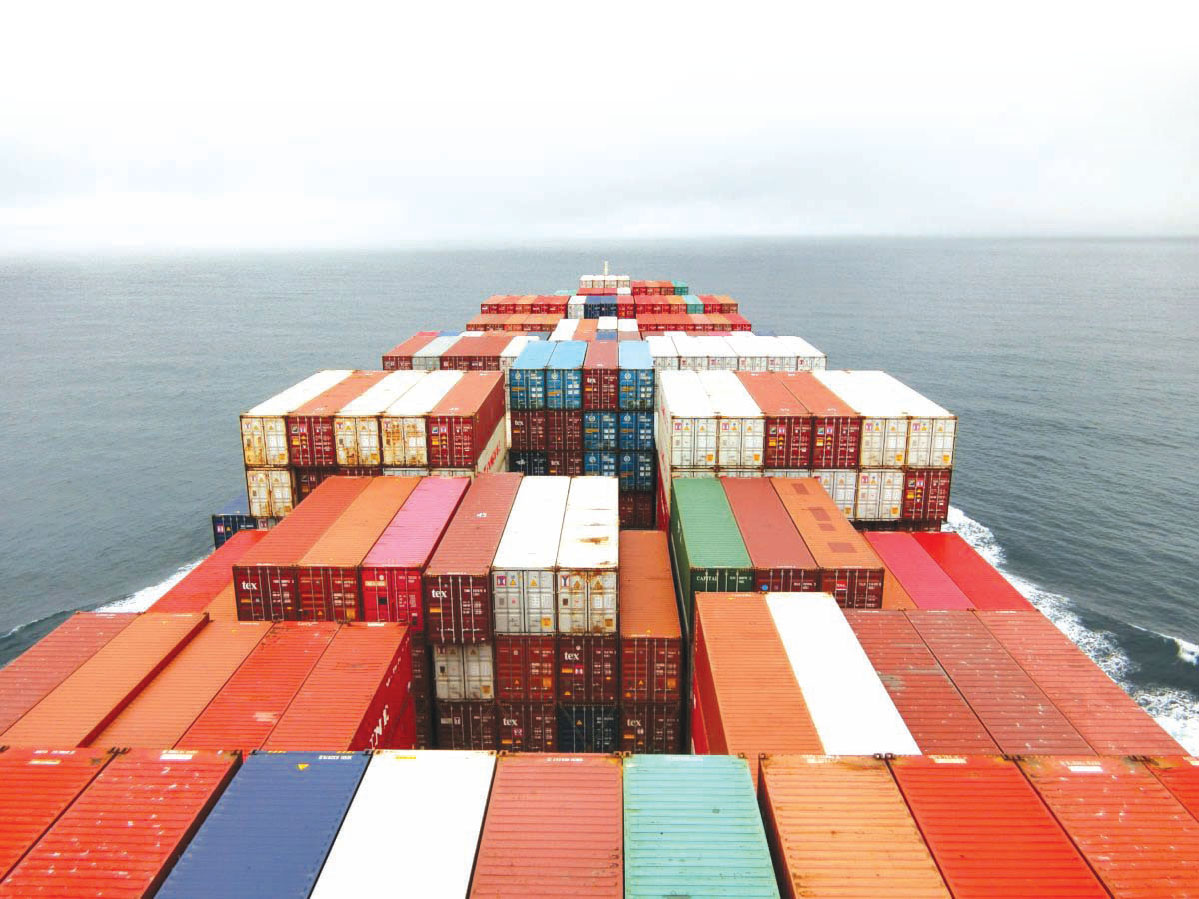
Ocean container shipping is a high-capacity transportation method with cost efficiency
2. Common types of ocean container shipping
Currently, there are two common types of ocean container shipping: FCL and LCL:
- FCL (Full Container Load): A full-container shipping service. This method is applied when cargo volume exceeds 15m3.
- LCL (Less than Container Load): A consolidated shipping service used when the cargo volume is insufficient to fill a full container, typically under 15m3.
There are four ocean container transport methods:
- FCL/FCL: The carrier receives full cargo from the shipper at origin and delivers it intact to the consignee at destination.
- LCL/LCL: The carrier receives small shipments, consolidates them with others, and upon arrival, distributes them individually to consignees.
- FCL/LCL: Applied when full container cargo is unpacked and delivered to multiple consignees at destination.
- LCL/FCL: Used when multiple shippers send goods to a single consignee, consolidated into one container.
Ocean container shipping is widely chosen by import-export businesses due to its outstanding advantages:
- No restriction on cargo volume. Whether small or large shipments, goods are sealed in containers under LCL or FCL methods, ensuring maximum safety.
- Massive carrying capacity, up to hundreds of tons. This allows large-scale exporters to avoid splitting shipments, making it easier to manage logistics, shorten transit time, and optimize costs.
- Reduced risk of traffic congestion.
[irp posts=”3313″ name=”What is FCL/LCL logistics? Cargo transportation methods (FCL and LCL)”]
3. Why choose ocean container shipping?
Ocean container shipping is preferred by many import-export businesses due to the following advantages:
- No limitations on cargo volume. Goods of any size are securely sealed in containers using LCL or FCL methods.
- Huge carrying capacity, up to hundreds of tons, helping businesses manage exports more efficiently, reduce transit time, and save costs.
- Minimizes traffic congestion risks.
4. Ocean container shipping process
To ensure a smooth and safe transportation process, each shipping method follows a strict procedure that all parties must comply with. Typically, the ocean container shipping process includes four steps:
- Step 1: The logistics provider receives information from the customer, including personal details, cargo details (quantity, weight, type), and shipping schedule and location.
- Step 2: Based on the provided information, the provider advises on suitable shipping methods and container types, provides a quotation, and signs a contract. For large export volumes, long-term contracts are recommended for better discounts.
- Step 3: The logistics provider arranges transport to the warehouse, packs goods, delivers them to the export port, and handles all necessary procedures on behalf of the shipper.
- Step 4: Containers are loaded onto the vessel, and the export process begins.
>> See more: Shipping agent
5. Common types of containers in ocean shipping
There are 7 common types of containers used in ocean freight, including:
5.1 General purpose container
General purpose containers are widely used in sea freight transport, mainly for dry cargo, typically in 20ft or 40ft sizes. The 40ft container is also suitable for cartons, furniture, or packaged goods.
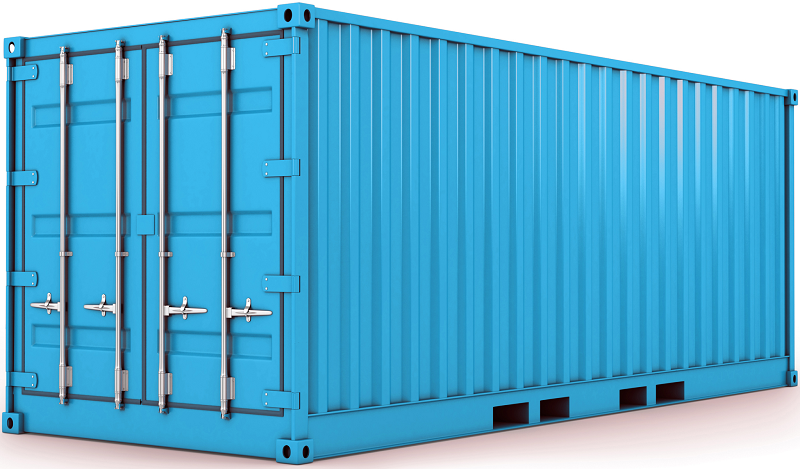
General purpose containers are the most commonly used in ocean container shipping
5.2 Bulk container
Bulk containers are specially designed for efficient loading and unloading, allowing cargo to be filled from the top through a loading hatch and discharged from the bottom or side openings. They are commonly used for transporting goods such as cement, grains, or ores.
5.3 Refrigerated container
Refrigerated containers are specially designed for goods requiring strict temperature control. The floor is made of aluminum, while the walls and roof are insulated. In addition, these containers support both heating and cooling modes, with refrigerated containers being the most commonly used type in Vietnam.
5.4 Open-top container
This type of container does not have a fixed roof and is covered with tarpaulin to protect the cargo inside. It is designed this way to transport oversized and bulky goods such as timber, machinery, or construction equipment. The open-top design also allows for faster and more convenient loading and unloading.
5.5 Flat rack container
Flat rack containers consist of a base platform with fixed or collapsible end walls at the front and back. The side walls and roof are removed, making it easier to transport heavy cargo such as machinery and steel products.
>> See more: Ocean freight rates
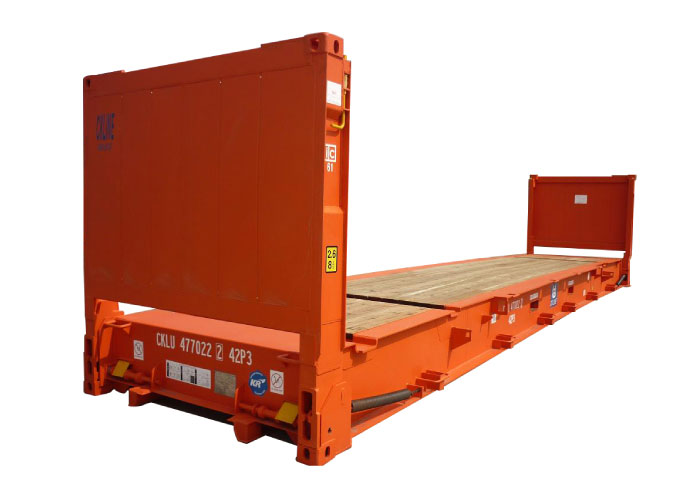
Flat rack containers are specially designed for transporting oversized cargo
5.6 Specialized container
Specialized containers include two types:
- Car carrier container: Designed as a steel frame structure without walls or roof covering. Typically divided into one or two levels depending on cargo height.
- Livestock container: Features side walls and front mesh doors for ventilation. The lower part includes drainage holes for cleaning purposes.
5.7 Tank container
This is a frame-type container made of steel and corrosion-resistant materials according to ISO standards. It is suitable for transporting liquid cargo such as chemicals and beverages. The top has an inlet for filling, while unloading can be done via discharge valves or pumping systems.
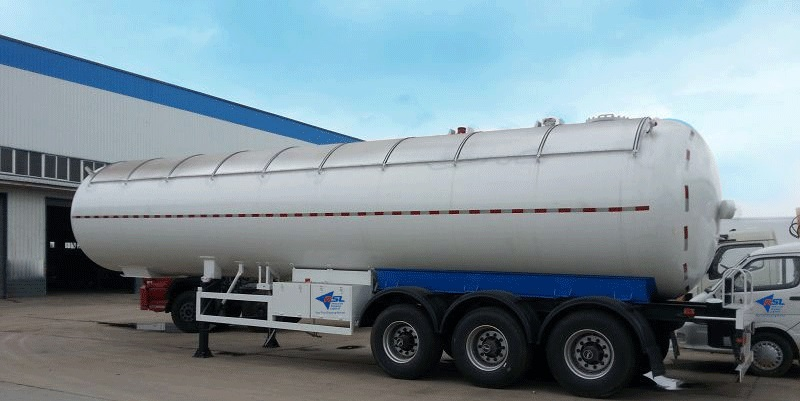
Tank containers are ISO-standardized and used for transporting liquid cargo
6. Experience in ocean container shipping
Below are useful tips to help exporters ensure smooth and safe shipments:
6.1 Identify suitable and unsuitable goods for ocean container shipping
Not all types of goods are suitable for ocean container shipping.
- Suitable goods: Large-volume cargo, key commodities (rice, coffee, pepper, etc.), and industrial goods (machinery, equipment, etc.).
- Unsuitable goods: Fresh flowers, jewelry, or bulk commodities such as ores, fertilizers, or lime—these are better transported by bulk carriers.
6.2 Choose the right container
As mentioned above, each type of cargo requires a specific container to ensure proper storage, maintain product quality, and protect the environment.
6.3 Check container origin and quality
In addition to choosing the right type, container quality is also crucial. During ocean transport, time and environmental factors can affect the container. Poor-quality containers may compromise cargo safety and cause losses for exporters.
6.4 Work with a reputable shipping company
Partnering with a reliable ocean freight company helps save time and minimize risks. If you have not found a trusted provider, you can contact 3W Logistics. When using ocean container shipping services at 3W Logistics, customers benefit from competitive rates and high service quality:
- 3W Logistics has extensive experience in ocean shipping, especially for key goods such as agricultural products, consumer goods, garments, wood, rubber, and furniture.
- With strong partnerships with major shipping lines such as Maersk Lines, Sea Land, Cosco, Evergreen, etc., 3W Logistics offers competitive pricing to help businesses reduce costs.
- Diverse shipping routes covering Asia, India, Europe, the US, Canada, etc. Notably, 3W Logistics is an OTI-NVOCC with FMC and bond, capable of issuing HBL and filing AMS/ISF (for US cargo) and E-Manifest (for Canada), helping streamline import-export procedures and shorten transit time.
- In addition to FCL and LCL services, 3W Logistics also offers cross-border transport, customs services, and door-to-door solutions.
- Experienced staff support every stage from documentation to cargo transportation.
- During transit, 3W Logistics regularly updates shipment status, while its global agent network ensures quick handling of customer requests.
>> See more: US import regulations
3W Logistics has an experienced team and strong relationships with shipping lines, making export processes easier and more cost-effective
Today, ocean container shipping is a common method that helps businesses save costs, ensure cargo quality, enhance reputation, and expand business opportunities. However, to ensure smooth export operations, businesses should carefully choose a reliable logistics provider such as 3W Logistics. For any inquiries, please contact us HERE for detailed consultation!
| EXPLORE MORE SERVICES AT 3W 2. Agricultural export procedures 4. Wood export procedures |

Mr. William, Vietnamese name Vu Van Nho, is the CEO of 3W Logistics. In his leadership role, he is responsible for strategic development, business operations, and improving the company’s logistics service quality.
He has experience in logistics, import-export operations, and international transportation, especially in sea freight, air freight, inland transportation, customs procedures, and supply chain solutions for businesses.
With a practical business mindset and a customer-focused approach, Mr. William aims to develop 3W Logistics into a reliable, professional, and efficient logistics service provider for import-export companies in Vietnam.


