Sea Freight Transportation Methods and What You Need to Know
Nowadays, sea freight transportation plays a crucial role, contributing to trade development and economic growth among countries worldwide. What are the key advantages of shipping by sea and which types of cargo are suitable? Let’s explore in detail with 3W Logistics in the article below.
1. What is sea freight transportation?
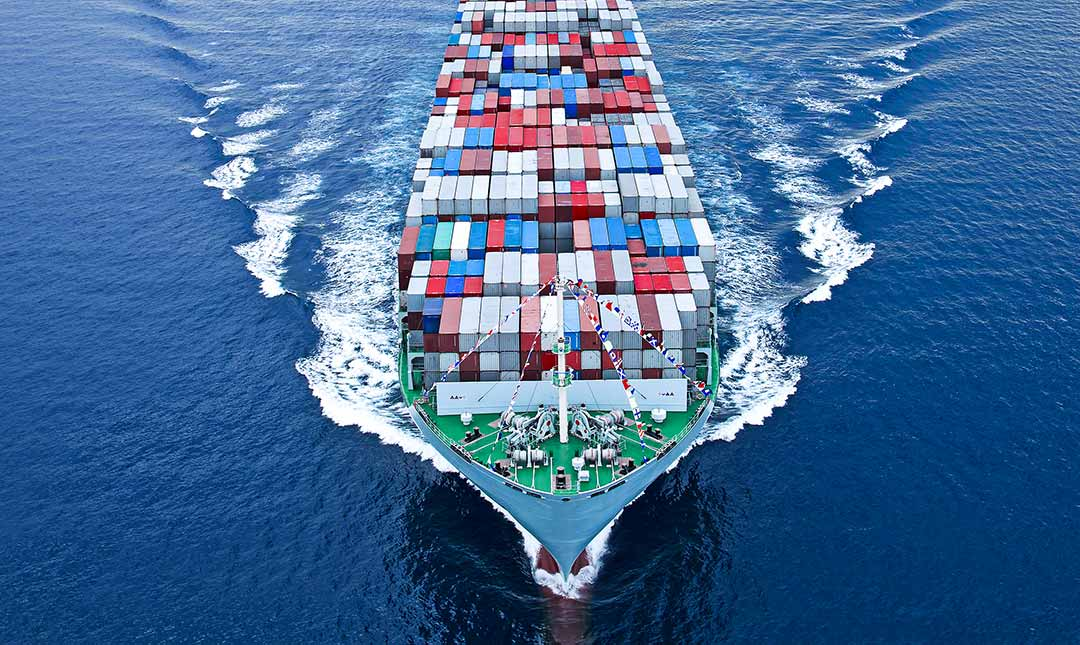
Sea freight transportation is the movement of goods using maritime transport means (vessels, barges, mobile cranes, and lifting equipment), combined with marine infrastructure systems such as seaports and transshipment ports. This mode is suitable for regions located near the sea with port access. After classification, goods are packed into durable containers, loaded onto vessels, and shipped for export.
>> See more: Sea freight transit time
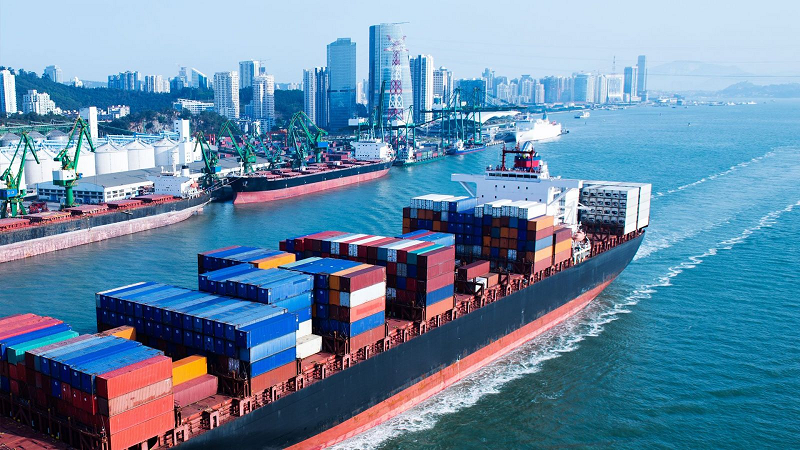
Sea freight transportation is becoming increasingly popular and widely trusted by import-export businesses
2. Why is sea freight widely chosen by businesses?
Currently, sea freight is becoming a major trend in import-export activities due to its outstanding advantages:
- Large vessel capacity makes it ideal for oversized, overweight, and industrial cargo.
- As a natural transport infrastructure requiring minimal maintenance costs, sea freight is more cost-effective than other modes.
- Sea routes are open and less congested, ensuring safety with fewer traffic risks such as collisions.
- Transport equipment is equipped with appropriate storage conditions for different types of cargo, helping maintain product quality throughout the journey.
- Supports the development of the maritime economy and expands international trade.
>> See more: Shipping to the U.S. by sea
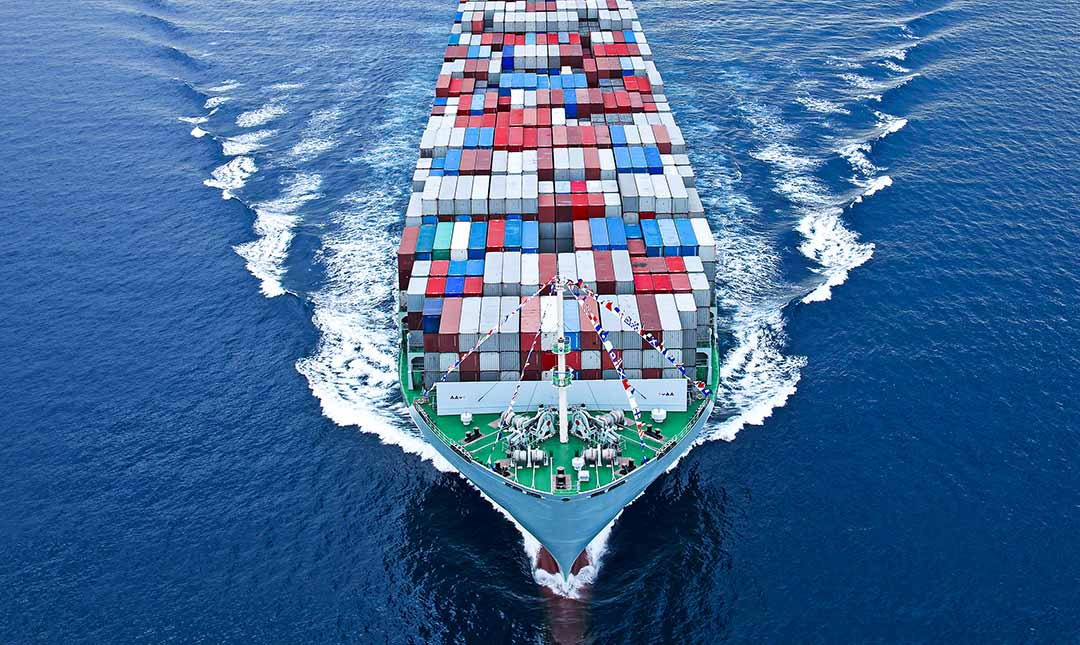
With large-capacity vessels, sea freight is suitable for oversized and heavy cargo
3. Goods suitable and unsuitable for sea freight
To ensure safety and cost optimization, businesses should consider the following cargo types:
3.1 Goods suitable for sea freight
The following types of goods are suitable for sea transportation:
- Chemically active goods: Chemicals, liquids…
- Dust-prone goods: Powder, sand…
- Environment-sensitive goods: Spices, tobacco, tea…
- Goods that may affect other cargo: Construction materials, industrial goods…
- Oversized and heavy cargo: Vehicles (cars, ships, aircraft), construction machinery…
Depending on the cargo type, different sea transport methods are used:
- Container shipping: Mainly general cargo.
- Barge transport: Minerals, liquid/gas cargo (oil, alcohol, beverages), oversized cargo.
- Refrigerated transport: For frozen goods.
3.2 Goods not suitable for sea freight
Consumer goods, rice, confectionery, and garments are generally not ideal for sea freight. These goods are often produced in remote or industrial areas with limited infrastructure, making road transport (pickup trucks, container trucks, tractor trailers) more suitable.
>> See more: EU export standards for agricultural products
4. Sea freight costs
Sea freight costs include:
- Cargo insurance fees.
- Loading/unloading charges.
- Port storage fees.
- Service fees for transport providers.
These costs are not fixed and depend on the following factors:
- Distance between origin and destination.
- Cargo weight and dimensions.
- Special handling requirements (fragile, hazardous, refrigerated goods).
- Pricing policies and surcharges (storage, handling, equipment rental).
- Market fluctuations.
5. Important notes for sea freight transportation
To ensure safe and smooth shipments, businesses should consider the following:
5.1 Weather conditions
Weather is a major risk in sea transport, affecting delivery time, cargo quality, and safety. Always check weather conditions before shipment and choose favorable conditions.
5.2 Cargo insurance
Insurance is essential to minimize risks and financial losses. In case of incidents, insurance helps compensate damages.
5.3 Choose a reliable shipping company
A logistics provider plays a key role in shipment success. 3W Logistics is a trusted choice:
- Extensive experience in sea freight for key goods such as agricultural products, seafood, garments, consumer goods, steel, rubber, etc.
- Strong partnerships with major carriers like Maersk, YangMing, Evergreen, OOCL, Hyundai, offering competitive rates.
- Global shipping routes including the U.S., Canada, Europe, India, and the Middle East. As an OTI-NVOCC with FMC license and bond, 3W can issue HBL and file AMS/ISF (U.S.) and E-Manifest (Canada).
- Professional and dedicated support team.
- Global agent network for fast problem resolution.
- Additional services: customs clearance, cargo insurance, CO, quarantine, fumigation, wooden packaging.
>> See more: Shipping line agency
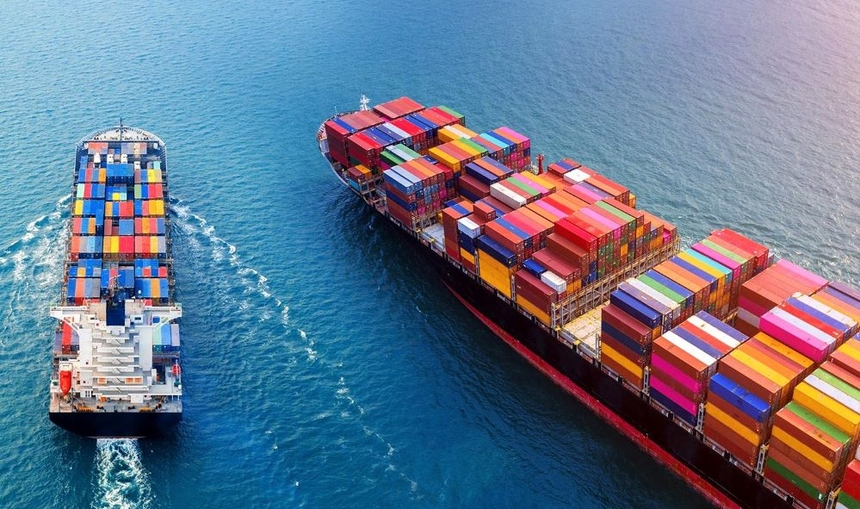
Businesses with frequent shipping demand can sign long-term contracts to receive better discounts
The above provides an overview of sea freight services, helping businesses better understand and execute smooth shipments. To optimize time and simplify customs procedures, choosing a reliable logistics partner like 3W Logistics is essential.
For more details about sea freight services, please visit HERE.
| EXPLORE MORE EXPORT PROCEDURES Cashew export procedures Agricultural export procedures Seafood export procedures Wood export procedures |

Mr. William, Vietnamese name Vu Van Nho, is the CEO of 3W Logistics. In his leadership role, he is responsible for strategic development, business operations, and improving the company’s logistics service quality.
He has experience in logistics, import-export operations, and international transportation, especially in sea freight, air freight, inland transportation, customs procedures, and supply chain solutions for businesses.
With a practical business mindset and a customer-focused approach, Mr. William aims to develop 3W Logistics into a reliable, professional, and efficient logistics service provider for import-export companies in Vietnam.


