What is FCL/LCL Logistics? Methods of Cargo Transportation (FCL & LCL)
FCL and LCL logistics are familiar concepts in sea freight services. Many businesses that need to export goods using FCL/LCL often wonder which option is more beneficial and suitable for their current budget. To help businesses make the right decision, whether FCL or LCL is optimal, 3W Logistics has compiled all the relevant information in the article below.
1. What is FCL logistics?
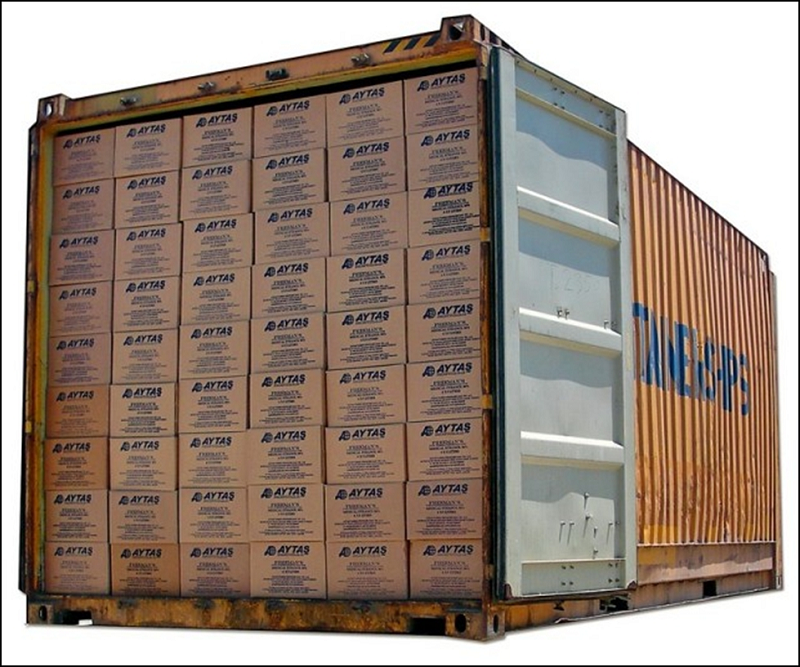
FCL (Full Container Load) is a sea freight service where a full container is used exclusively for one shipment. It is suitable for businesses that export goods frequently and have shipment volumes exceeding 15 cubic meters. Typically, standard shipping containers include 20ft and 40ft containers.
Most containers are fully loaded and sealed at the origin during export. After that, the shipping company may combine multiple transportation methods such as sea & rail or sea & road to deliver the container to the destination.
2. What is LCL logistics?
LCL (Less Than Container Load) is a container shipping service for smaller shipments. It is suitable for businesses that need to send a limited quantity of goods internationally via sea freight.
The nature of LCL is consolidating multiple shipments from different shippers into one container. These goods are sorted, arranged, and packed together before being transported from the port of origin to the destination port. This process is known as consolidation.
3. Comparison between FCL Logistics and LCL Logistics
Below are the key differences between FCL and LCL logistics:
| Criteria | FCL Logistics | LCL Logistics |
| Advantages | – Easy to manage and control goods, minimizing loss risk. – Suitable for large-volume shipments. – Faster delivery time; cargo is released immediately upon arrival. – Higher safety, less risk of damage. | – Reduces inventory pressure. – Ideal for small shipments and cost-saving for low volumes. |
| Disadvantages | – Higher inventory risk due to large shipment volumes. | – Longer transit time due to CFS handling and sorting. – Higher risk of damage or loss. |
| Shipper’s Responsibility | – Transport goods to container yard (CY). – Load, pack, and secure cargo in the container. – Label and mark goods properly. – Handle customs procedures and seal the container. – Pay all related costs. | – Deliver goods to CFS warehouse and pay related costs. – Provide commercial and transport documents. – Receive Bill of Lading and pay LCL charges. |
| Consignee’s Responsibility | – Obtain import license and complete customs clearance. – Present valid Bill of Lading. – Check container condition. – Unload cargo and return empty container. – Pay related costs. | – Obtain import license and clear customs. – Present Bill of Lading to receive cargo. – Pay freight charges (if applicable). |
| Carrier’s Responsibility | – Issue Bill of Lading. – Ensure proper cargo storage. – Load/unload container at ports. – Deliver container to consignee. – Cover loading/unloading costs. | – Receive cargo at CFS and issue Bill of Lading. – Consolidate cargo into container. – Transport to destination port. – Deconsolidate and deliver to consignee. |
| Cost | – More cost-effective for large shipments due to economies of scale. | – Higher cost per unit; calculated based on weight/volume. – Includes fixed charges regardless of cargo volume. |
| Process | – Simple procedures, faster delivery. | – More complex and time-consuming due to consolidation and documentation. – One shipment issue may affect the entire container. |
| Risk | – Lower risk, easier control. | – Higher risk of damage, loss, or contamination from mixed cargo. |
4. FCL and LCL Sea Freight Services at 3W Logistics
Besides understanding the concepts and differences between FCL and LCL logistics, businesses should also choose a reliable logistics provider that offers high-quality FCL/LCL solutions, competitive pricing, and ensures cargo safety. Currently, 3W Logistics has been a trusted partner for both domestic and international businesses thanks to our extensive experience and advantages in sea freight services:
– 3W Logistics is currently providing sea freight services in both FCL and LCL forms. In addition, we offer customs services and Door to Door services (including Pickup – International Transportation – Full customs procedures), helping businesses have more options and choose solutions that suit their financial capacity.
– 3W Logistics supports diverse shipping routes worldwide such as the USA, Canada, Asia, Europe, and the India – Middle East region. Among them, the USA and Canada markets are our strengths. Currently, 3W Logistics is an OTI-NVOCC with FMC license and bond, capable of issuing HBL, filing AMS/ISF (for U.S. shipments), and filing E-Manifest (for Canada shipments) using our own SCAC code. Businesses can check 3W Logistics’ FMC number: #029003.
– We have extensive experience in sea freight, especially exporting a wide range of goods such as agricultural and seafood products (coffee, tea, cashew nuts, fish, shrimp), consumer goods (vermicelli, rice noodles, instant noodles, confectionery), garments (fabric, clothing), wood, rubber, and furniture.
– 3W Logistics has partnerships with major shipping lines such as Maersk Lines, Sea Land, ONE, Yang Ming, Evergreen, COSCO, Hyundai, and OOCL, providing competitive pricing and ensuring on-time delivery.
– 3W Logistics owns a global agency network, ensuring quick handling of customer requests and challenges not only in Vietnam but also internationally.
– We are committed to transparent transportation processes, providing shipment schedules so businesses can easily track their goods and promptly handle any arising issues.
– Our experienced staff supports businesses in preparing documents, applying for permits, and handling specialized inspections (if required).
Reputation, professionalism, and efficiency are the core criteria that 3W Logistics prioritizes in building FCL/LCL sea freight services
To receive detailed consultation and quotations for FCL/LCL sea freight services, businesses can contact 3W Logistics for the best support.
>> LEARN MORE ABOUT EXPORT-IMPORT REGULATIONS AND PROCEDURES BY INDUSTRY AT 3W LOGISTICS
| 1. SEAFOOD EXPORT PROCEDURES 2. CONSUMER GOODS EXPORT REGULATIONS 3. WOOD EXPORT PROCEDURES 4. GARMENT EXPORT PROCESS |

Mr. William, Vietnamese name Vu Van Nho, is the CEO of 3W Logistics. In his leadership role, he is responsible for strategic development, business operations, and improving the company’s logistics service quality.
He has experience in logistics, import-export operations, and international transportation, especially in sea freight, air freight, inland transportation, customs procedures, and supply chain solutions for businesses.
With a practical business mindset and a customer-focused approach, Mr. William aims to develop 3W Logistics into a reliable, professional, and efficient logistics service provider for import-export companies in Vietnam.


