
Blog
Goods transported by air must comply with airline regulations to ensure flight safety. To better manage the shipping process, businesses often rely on logistics providers, among which 3W Logistics is a professional and reliable cargo transportation service provider.
1. What is air freight?
Air freight is the method of transporting goods using dedicated cargo aircraft or the belly space of passenger planes. This method stands out for its fast transit time, high safety, no geographical limitations, and relatively low insurance and warehousing costs.
Air cargo transportation is divided into two main types:
Consolidated cargo: Small shipments are combined and transported on the same flight to help customers save costs.
Air charter: Businesses rent an entire aircraft to transport goods. This method allows full control over timing, ensures cargo safety, and offers flexibility in arrangement.
>> See more: Sea freight transportation
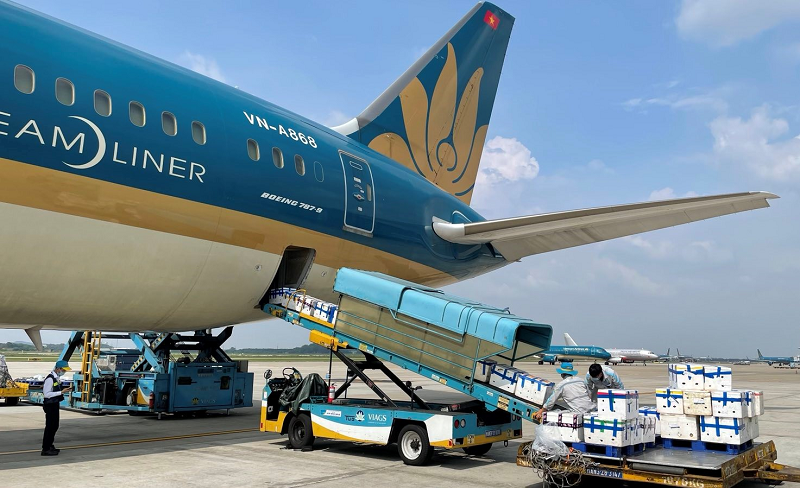
Air transport is suitable for goods that require urgent delivery
2. Types of goods allowed for air transport
The following types of goods can be transported by air:
2.1. General Cargo
General cargo includes goods without special requirements regarding size or packaging. However, before loading onto the aircraft, staff will carefully inspect dimensions and volume to ensure compatibility with the cargo hold.
[irp posts=”3489″ name=”[Answer] What C/O form is required for exporting goods to Canada?”]
2.2. Special Cargo
Special cargo requires stricter handling and transportation conditions. These include:
Live animals (AVI): Most live animals are transported by air; large animals require special permits.
Valuable goods (VAL): High-value items such as gold, diamonds, precious metals, electronics, and research equipment.
Diplomatic cargo (DIP): Important goods for ministers, embassies, and consulates are stored in special facilities.
Perishable goods (PER): Fresh items such as fruits, vegetables, meat, and seafood.
Wet cargo (WET): Items like eel or meat must be carefully packed before loading.
Odorous cargo (SMELL): Acceptance depends on the intensity of the odor.
Dangerous goods: Includes explosives, industrial chemicals, flammable substances, gases, oxidizers, radioactive materials, corrosives, and infectious substances. These require permits and strict packaging.
Heavy cargo (BIG, HEA): Goods over 500kg that cannot be palletized require special handling and incur higher costs.
Human remains (HUM): Must be carefully packaged and accompanied by health authority certification.
>> See more: Shipping to Canada by sea
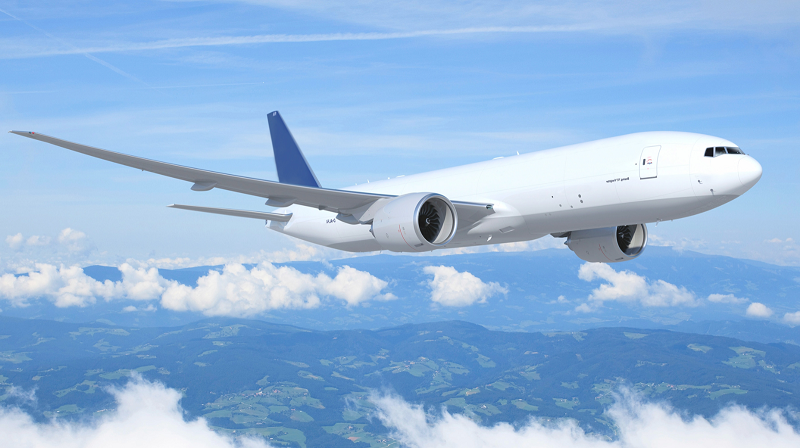
Air cargo must meet strict requirements to be accepted for transport
3. Prohibited goods in air transport
Besides permitted goods, businesses should note the following items that are prohibited in air transport to avoid complications:
– Animal skins.
– Alcoholic beverages.
– Weapons, ammunition, and military equipment.
– Fur products.
– Ivory and ivory products.
– Cash and negotiable instruments.
– Seeds.
– Magnets and magnetic materials.
[irp posts=”3368″ name=”3 things to know when transporting goods by sea”]
4. Notes for air cargo transportation
Below are some important considerations when transporting goods by air:
Ensure cargo eligibility: Goods must be permitted for air transport and have complete documentation.
Prepare all required documents: Must comply with regulations on origin, labeling, and other necessary paperwork.
Pay attention to weight limits: Air cargo has strict weight limits for safety. If exceeded, consider alternative transport methods.
Proper packaging: Goods must be packed according to regulations. Food should be stored in wooden boxes, perishable goods preserved with ice, and food must not be transported with hazardous items.
>> See more: Shipping agent services
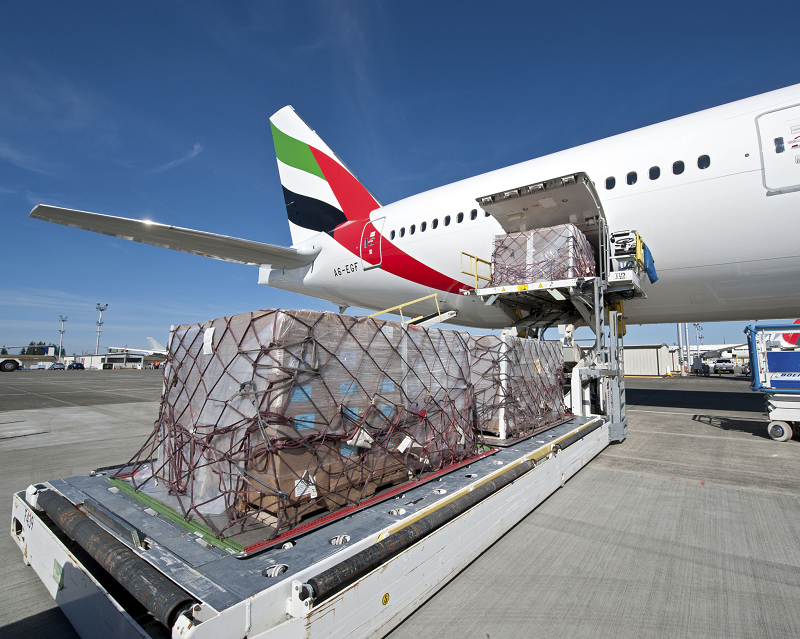
Goods must be strictly packaged to ensure quality and safety during transportation
Carefully check the consignee’s information: It is necessary to verify the recipient’s details to ensure the goods are delivered to the correct destination, avoiding returns, potential damage, or loss.
Customs costs: If there are issues with cargo information during customs procedures, businesses must bear the associated losses. Airlines are only responsible for what is declared in the contract.
Choose a reliable logistics service provider: To ensure smooth transportation, businesses should work with professional logistics providers. This helps make the process faster, more accurate, and time-saving.
3W Logistics is a reputable logistics company in Vietnam with experience in air freight transportation for goods such as agricultural products, wood & furniture, garments, and consumer goods. By partnering with major airlines, the company offers competitive pricing for businesses.
[irp posts=”3605″ name=”Vietnam’s export products to the EU”]
In addition, 3W Logistics provides diverse shipping routes across Asia, Europe, India–Middle East, the U.S., and Canada. The company offers both express and standard air freight services, combined with other transport methods such as sea freight to optimize costs. Moreover, their experienced and professional staff support businesses in completing customs procedures accurately and efficiently.
This article has provided an overview of goods transported by air. In general, with air freight, cargo must comply with airline requirements to ensure a smooth shipping process.
| SEE MORE SERVICES & EXPORT PROCEDURES |
1. SHIPPING TO THE U.S. BY SEA
2. SHIPPING FROM VIETNAM TO CHINA


