
Cashew Nut Export Procedures to the U.S. in 2026: Step-by-Step Guide
The United States continues to be the world’s largest importer of cashew nuts, and Vietnam holds the number one position in export volume to this market. However, it is also one of the most technically demanding markets — from FDA registration requirements, FSMA compliance, Aflatoxin control, to ISF filing 24 hours in advance.
Just one mistake can result in shipments being held at port or returned, causing losses of tens of thousands of dollars. This article, compiled by 3W Logistics – a company specializing in customs procedures and cargo transportation to the U.S. – provides a complete overview of Cashew Nut Export Procedures to the U.S in 2026, covering legal requirements, documentation, and practical notes for customs clearance at U.S. ports.
Why the U.S. Is a Key Export Market for Cashew Nuts
For more than a decade, the United States has consistently ranked as the number one importer of Vietnamese cashew nuts. This is not by chance — it results from massive consumption demand, attractive export prices, and Vietnam’s near-monopoly position in this market.
In terms of export value:
In 2024, for the first time in history, the U.S. spent over $1.15 billion to import nearly 192,200 tons of cashew nuts from Vietnam, up 21.3% in volume and 30.3% in value compared to the previous year. This marks an important milestone after two years of decline, showing that demand from the U.S. market remains strong.
In terms of market dominance:
Vietnamese cashew nuts account for approximately 98% of total import value in the U.S. market — a near-monopoly rarely seen in agricultural exports.
In terms of export structure:
Over the past decade, the U.S. has consistently been the largest market for Vietnam’s cashew industry, accounting for about 25–27% of total export value. In other words, one out of every four export dollars comes from the U.S. market.
In terms of consumption trends:
Cashew nuts are widely used in the U.S. food processing industry for snacks, confectionery, and bakery products. This demand is driven by urbanization and changing consumer lifestyles toward convenient foods. The growing popularity of vegetarian, healthy, and plant-based diets further strengthens long-term demand.
In terms of export price:
The average export price to the U.S. reached $5,947 per ton in the first 11 months of 2024, among the highest compared to other markets, reflecting strict quality requirements but also better profit margins.
1. Cashew Nut Export Procedures to the U.S: Import Standards (Extremely Important)
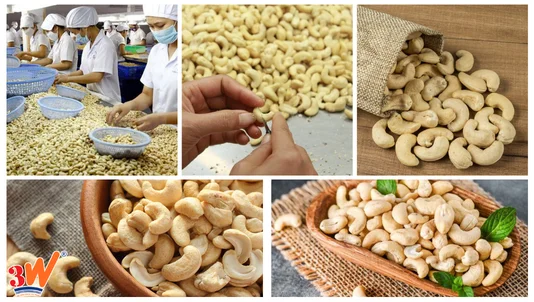
The U.S. market is well known for its strict requirements on imported food — and cashew nuts are no exception. Before the first container leaves Vietnam, exporters must complete the following three fundamental legal requirements. Missing any step may result in shipment detention or rejection.
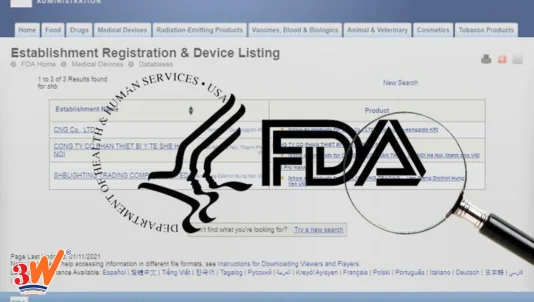
1.1. FDA Food Facility Registration
This is a mandatory requirement — without FDA registration, cashew nuts cannot be legally imported into the U.S.
According to FDA regulations, all domestic and foreign facilities involved in manufacturing, processing, packing, or holding food for U.S. consumption must register with the FDA. This applies directly to cashew processing and packaging factories in Vietnam.
Cashew nuts are classified under “Nuts and Edible Seed Products,” a category that requires mandatory FDA facility registration.
Steps for FDA registration:
- Access the FDA Industry Systems (FIS)
- Provide facility information: name, address, activity type, product category
- Appoint a U.S. Agent (see section 1.2)
- Receive registration number after FDA approval
Important note on renewal: FDA registration operates on a biennial cycle. The renewal window for 2026 is strictly limited to a fixed three-month period with no extensions. Missing this deadline will result in ineligibility to export to the U.S.
Good news: FDA registration, renewal, and updates are free of charge. Costs may arise only when using consulting services.
Practical experience from 3W Logistics: Many first-time exporters confuse the FDA registration of the Vietnamese manufacturer with that of the U.S. importer. These are separate registrations — Vietnamese facilities must register independently and cannot use their partner’s registration.
- 2026 is the next renewal year — if your facility has not registered or renewed, contact 3W Logistics before planning shipments.
1.2. U.S. Agent Requirement
Along with FDA registration, each foreign food facility must appoint a U.S. Agent — a mandatory requirement.
A U.S. Agent is an individual or organization located in the United States, acting as the official communication representative between the FDA and the foreign facility.
All FDA communications, notifications, and correspondence are handled through this representative.
U.S. Agent information is required during FDA registration. Without a valid agent, the application will not be approved.
In practice, Vietnamese exporters often rely on logistics providers or forwarders to assist with appointing a suitable U.S. Agent.
Choosing a U.S. Agent requires not only a U.S. address but also reliability, responsiveness, and strong knowledge of FDA regulations to minimize clearance risks. With an extensive partner network in the U.S., 3W Logistics can support businesses in selecting appropriate U.S. Agents and completing documentation efficiently.
1.3. Compliance with FSMA (Food Safety Modernization Act)
FSMA is the most comprehensive reform of U.S. food safety laws in over 70 years. Enacted in 2011, it focuses on preventive controls rather than reactive measures and applies directly to imported food.
For Cashew Nut Export Procedures to the U.S, two key FSMA pillars must be addressed:
1 – Preventive Controls for Human Food (PCHF)
Cashew processing facilities must establish a Food Safety Plan including:
- Hazard analysis (biological, chemical, physical risks)
- Preventive control measures (e.g., Aflatoxin and moisture control)
- Monitoring, documentation, and corrective actions
- A qualified PCQI (Preventive Controls Qualified Individual)
2 – Foreign Supplier Verification Program (FSVP)
FSVP requires U.S. importers to verify that imported food meets U.S. safety standards through risk-based activities.
In other words, your U.S. importer also has a legal obligation to verify that the manufacturing facility in Vietnam fully complies with all requirements. Verification activities may include product testing, food safety audits at the facility, and collection of relevant documentation.
Many first-time cashew exporters often confuse the FDA registration of the manufacturer/packer in Vietnam with that of the U.S. importer. These are two independent registrations — the Vietnamese facility must register on its own and cannot “borrow” the importer’s FDA registration.
2. Technical Standards and Testing Requirements in Cashew Nut Export Procedures to the U.S
Many cashew exporters have fully completed FDA registration and prepared documentation properly, yet their shipments are still held at U.S. ports due to failing a single technical parameter. In this section, 3W Logistics summarizes the most critical technical thresholds businesses must understand before container loading.
2.1. Control of Aflatoxin Levels and Pesticide Residues
Aflatoxin is the top concern when exporting cashew nuts to the U.S. It is a toxin produced by molds such as Aspergillus flavus and Aspergillus parasiticus, which can develop during storage if temperature and humidity are not properly controlled.
FDA limit threshold:
The U.S. FDA sets the maximum total Aflatoxin level at 20 ppb (parts per billion) for all food products, including cashew nuts. Any shipment exceeding this limit is not allowed to enter the U.S. market.
Pesticide Residues (MRLs):
The FDA regulates pesticide residues based on the EPA (Environmental Protection Agency) standards. Common substances found exceeding limits in Vietnamese cashew nuts include Chlorpyrifos, Cypermethrin, Profenofos, and certain Organophosphate groups. Exporters must require suppliers to provide traceability records and conduct MRL testing at FDA-recognized laboratories (LAAF-accredited) before shipment.
2.2. Packaging and Container Moisture Control Standards for the U.S.
Moisture control and packaging are closely related — even if moisture is well controlled, improper packaging can render all prior efforts ineffective once the shipment arrives in the U.S.
Moisture standards:
According to Vietnam Standard TCVN 4850:2010, the moisture content of cashew kernels must not exceed 5% by weight. This threshold is also widely accepted internationally. Maintaining moisture below 5% is essential to ensure shelf life, prevent mold growth, and preserve product crispness.
In practice, businesses should maintain moisture levels at 3.5–4.5% to ensure a safety margin, especially for ocean shipments that typically take 20–30 days and pass through multiple climate zones.
AFI (Association of Food Industries) packaging standards:
Cartons used for exporting cashew nuts must be new, clean, and free from damage. Packaging must remain dry and intact — the packing environment must be well-ventilated to prevent moisture buildup and mold formation during transportation.
Common packaging structures for exporting cashew nuts to the U.S. include:
- Multi-layer vacuum-sealed PE bags: prevent oxidation and moisture ingress
- 25 lbs tin cans: traditional packaging widely accepted in the U.S.
- PE liner bags inside cartons: commonly used for bulk shipments
Cashew nuts are highly sensitive to temperature and humidity. Shipments must be transported in clean, dry, and well-ventilated containers — or reefer containers with controlled temperatures for long journeys or routes through tropical regions. Moisture control inside the container is critical to prevent mold growth and protect the entire shipment.
2.3. Labeling Requirements (Nutrition Facts) under U.S. Standards
This is one of the most common mistakes made by first-time cashew exporters to the U.S. market. Incorrect labeling not only leads to shipment holds at ports but may also result in product recalls if goods have already entered the market.
Mandatory label information required by the FDA:
- Product name (statement of identity)
- Manufacturer information
- Net quantity
- Ingredient list in descending order by weight
- Allergen disclosure
- Nutrition Facts panel in FDA-required format
The updated labeling regulations are now mandatory — manufacturers with annual revenue over $10 million must comply from January 1, 2020, and smaller businesses from January 1, 2021. Vietnamese exporters must use this updated label format, not the old version.
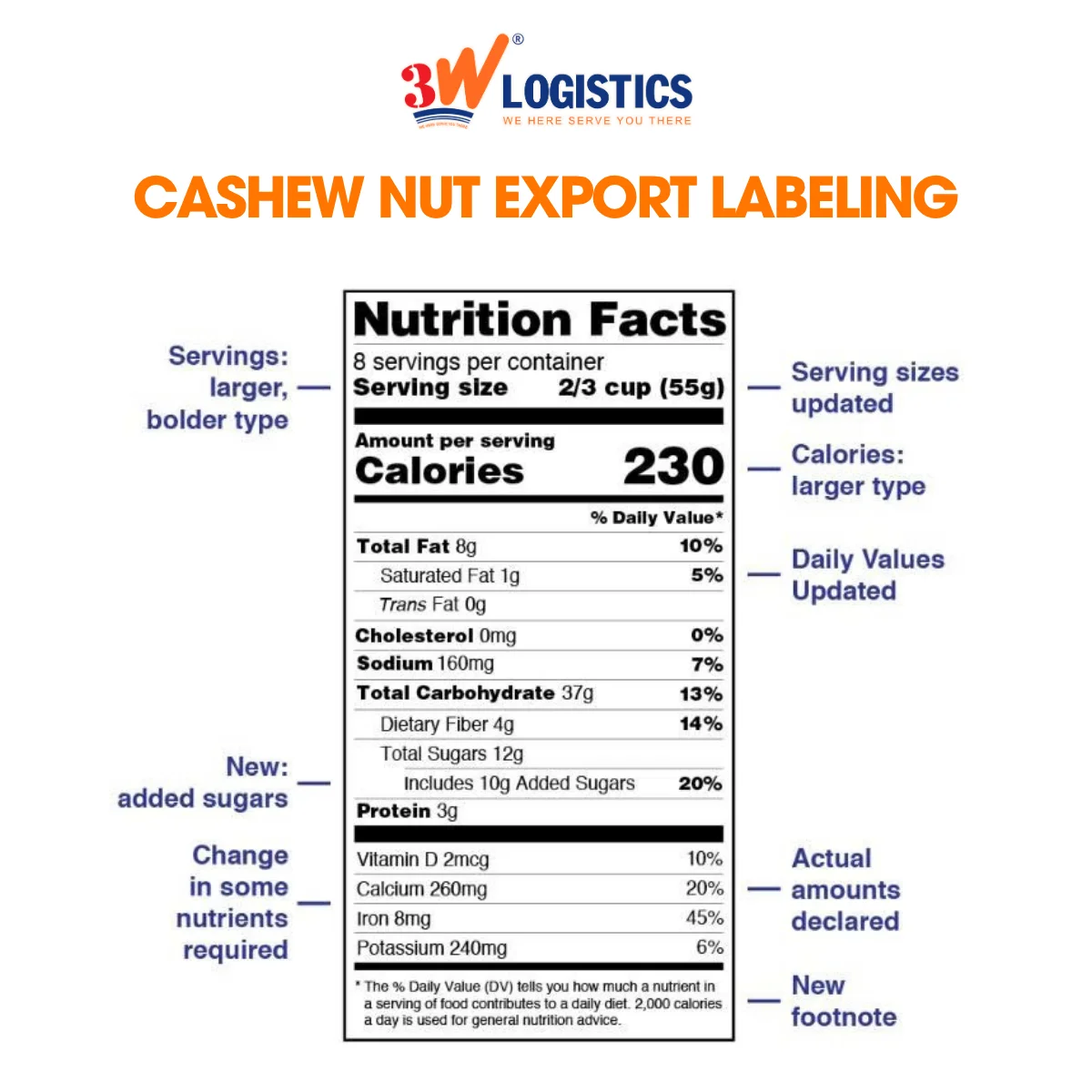
Key changes in the updated label:
- Calories displayed in bold with larger font size
- Add the line “Added Sugars” (grams and % Daily Value) — important for processed cashew products containing sugar
- Vitamin D and Potassium are now mandatory; Vitamins A and C are no longer required
- Updated % Daily Value based on the latest nutrition science
- Removed the “Calories from Fat” line
Important allergen note:
Cashew nuts belong to the Tree Nuts category — one of the 9 major allergens that must be clearly declared on labels under FDA regulations. Typical statements include: “Contains: Cashew (Tree Nut)” or “May contain: Peanuts, other Tree Nuts” depending on the production process.
3. HS Code and Tax Policy in Cashew Nut Export Procedures to the U.S
Correct HS code classification is not just an administrative task — it determines import duty rates, document validity, and the overall logistics cost of the shipment.
3.1. HS Code Classification for Raw and Processed Cashew Nuts
Cashew nuts fall under Chapter 08 of the Harmonized System — Edible fruits and nuts. Specifically, they are classified under heading 08.01 — Coconuts, Brazil nuts, and cashew nuts, fresh or dried, whether or not shelled.
However, the exact HS code varies depending on the product type:
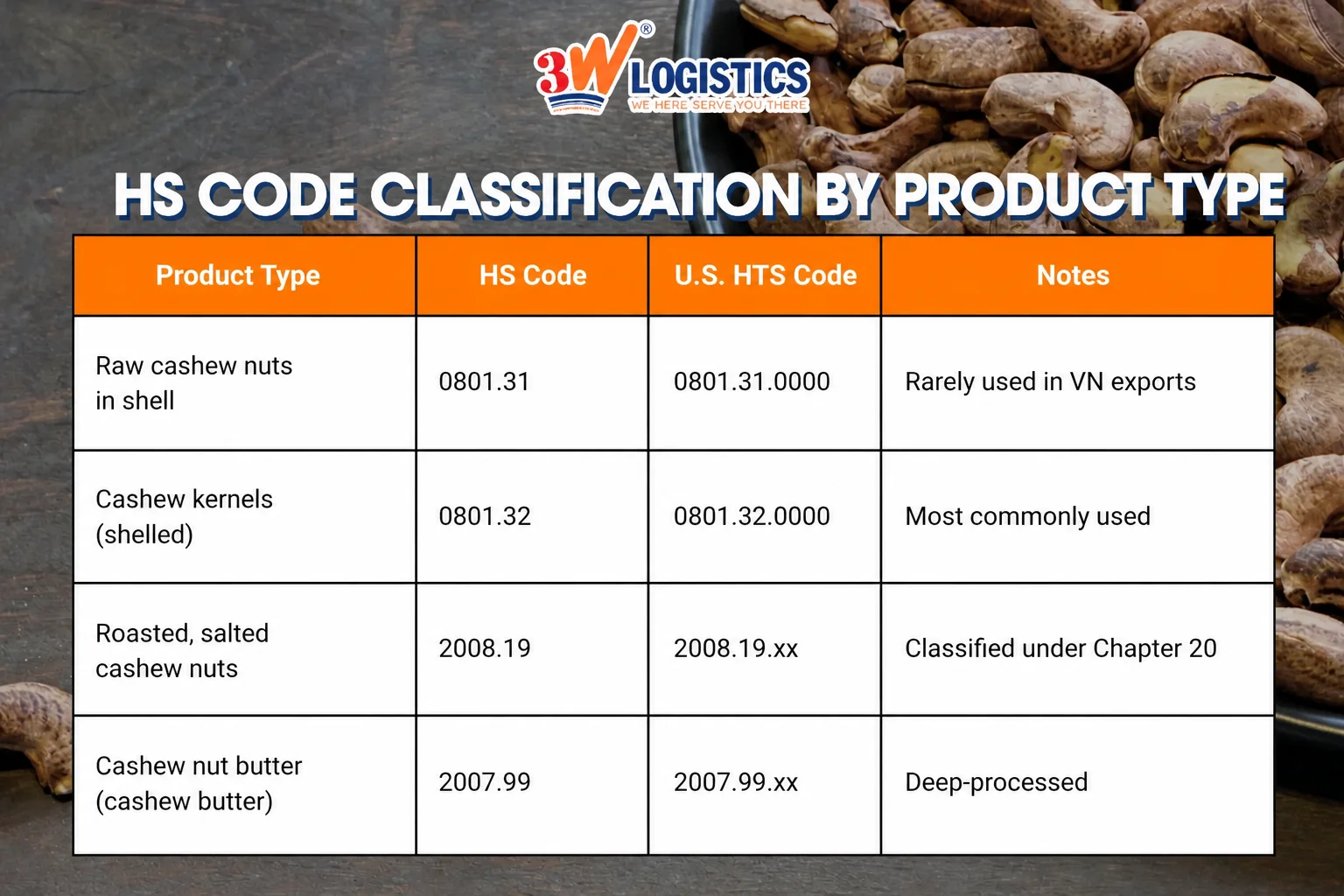
Important note on code structure:
The United States uses a 10-digit HTS code system. The first 6 digits are internationally standardized, while the last 4 digits are U.S.-specific and determine the actual duty rate. Therefore, exporters must use the full 10-digit code when declaring customs in the U.S., instead of only the 6-digit HS code.
3.2. Tariff Advantages and U.S. Import Fees (MPF, HMF)
From Vietnam: Cashew nuts are not subject to export tax — 0% duty, and no export license is required.
From the U.S. side: Shelled cashew nuts (0801.32) benefit from a 0% MFN import duty rate — a major advantage compared to many other agricultural products. However, in addition to import duty, ocean shipments to the U.S. are subject to two mandatory fees:
MPF (Merchandise Processing Fee): 0.3464% of cargo value (minimum $31.67 — maximum $614.35)
HMF (Harbor Maintenance Fee): 0.125% of cargo value (applies to ocean freight only)
Example: A $200,000 shipment of cashew nuts may incur approximately $864 in MPF and HMF, excluding any additional duties due to policy changes.
⚠️ Note: U.S. tariff policies are subject to change during 2025–2026. Exporters should confirm the applicable rates at the time of shipment with logistics providers or check directly in the HTS database before signing contracts with U.S. partners.
5. 4-Step Process in Cashew Nut Export Procedures to the U.S
Understanding each step helps businesses manage timelines, avoid unnecessary costs, and reduce the risk of shipment delays at ports. The total transit time from booking to customs clearance in the U.S. typically ranges from 28–35 days, depending on the destination port and inspection status.
Step 1: Vessel Booking and Container Inspection
This is the starting point but directly affects product quality upon arrival. Cashew nuts are highly sensitive to moisture — an unsuitable container may lead to mold growth, exceeding Aflatoxin limits and rejection by the FDA.
For vessel booking, exporters should determine:
- U.S. port of destination (affects transit time and inland trucking costs)
- Container type: FCL (Full Container Load) or LCL (Less than Container Load)
- Ocean transit time from HCMC/Cai Mep: 18–25 days depending on carrier and route
For container inspection:
- Container must be clean, dry, odor-free, with no moisture or chemical residue
- Check door sealing and internal moisture protection
- Use desiccant bags inside the container to control humidity during transit
Step 2: ISF Filing and Document Submission
ISF (Importer Security Filing), also known as “10+2”, is mandatory for all ocean shipments to the U.S. The responsibility lies with the U.S. importer, but Vietnamese exporters must provide accurate and timely information.
Deadline: ISF must be filed at least 24 hours before cargo is loaded at the port of origin. Late or incorrect filing may result in penalties up to $5,000 per violation.
Required ISF information includes:
- Seller and buyer details
- Manufacturer ID
- Country of origin
- 10-digit HTS code
- Port of loading and discharge
- Final delivery location
- Container and seal numbers
Documents to submit to the importer:
- Commercial Invoice
- Packing List
- Bill of Lading (B/L)
- Phytosanitary Certificate
- Certificate of Origin (C/O Form B)
- FDA Prior Notice
Step 3: Export Customs Clearance in Vietnam
After preparing documents, exporters proceed with customs clearance:
- Submit electronic customs declaration via VNACCS/VCIS (export code B11)
- Conduct phytosanitary inspection before container stuffing (processing time: 2–3 working days)
- Customs clearance and sealing — container is released to port and loaded onto the vessel
Step 4: Inspection and Clearance at U.S. Ports
Upon arrival, the importer or authorized customs broker handles customs clearance with CBP. Cashew nuts are subject to dual control by both CBP and FDA.
The FDA’s PREDICT system automatically assesses shipment risk based on facility history, country of origin, and product type. High-risk shipments may be placed on hold for testing, including Aflatoxin, pesticide residues, and other food safety indicators.
6. Common Risks and Practical Experience in Cashew Nut Export Procedures to the U.S
Despite Vietnam’s strong position in the U.S. market, many shipments still encounter issues at ports — mainly due to documentation errors, Aflatoxin exceedance, or lack of regulatory preparation. Understanding these risks helps businesses proactively manage them.
6.1. How to Handle FDA Shipment Holds
Why does the FDA place shipments on hold?
Cashew shipments from Vietnam to the U.S. are often held due to missing FDA Prior Notice, incorrect HS code declarations, or incomplete supplier documentation. In addition, shipments may be randomly selected for inspection under CBP/FDA periodic control rates — even when documentation is fully compliant.
More serious cases involve being listed under Import Alert (DWPE — Detention Without Physical Examination). When a company is placed on Import Alert, all subsequent shipments are automatically detained without physical inspection, and this status remains until the company proves that violations have been fully resolved.
Procedure for handling shipment holds:
Step 1 — Identify the reason for the hold immediately upon receiving notification from the FDA. There are two types: standard hold (random exam) and Import Alert hold. Each requires a completely different approach.
Step 2 — Contact the U.S. importer and U.S. Agent immediately to coordinate a response to the FDA. The U.S. Agent is the only legal contact point recognized by the FDA — without one, Vietnamese exporters cannot respond directly.
Step 3 — Prepare documentation for shipment release, typically including: Aflatoxin test results from an FDA-recognized (LAAF-accredited) laboratory, HACCP/FSMA documentation, and proof of valid FDA facility registration. From December 1, 2024, all analyses used to remove Import Alert status must be conducted by LAAF-accredited laboratories.
Step 4 — Monitor storage deadlines. Held shipments incur daily storage fees in the U.S. — often the most significant financial loss, sometimes exceeding the shipment value if prolonged.
6.2. Product Liability and Cargo Insurance Considerations
Product liability — an overlooked risk:
The U.S. market has a high litigation culture. If consumers experience allergic reactions or food safety issues from cashew products labeled under a Vietnamese exporter’s brand, the exporter may face legal claims even after distribution through intermediaries.
To mitigate this risk:
- Ensure proper allergen labeling — cashew nuts belong to the Tree Nuts category and must be clearly declared under U.S. law
- Maintain complete shipment records, test results, and production logs for at least 2 years for traceability
- Clearly define legal responsibilities with U.S. importers in commercial contracts
Cargo insurance — do not overlook:
Many first-time exporters skip cargo insurance to reduce costs — this can be a costly mistake. The ocean journey from Vietnam to the U.S. takes 20–30 days and carries risks such as weather damage, container issues, or cargo loss.
Important considerations when purchasing insurance:
- Choose All Risk coverage (ICC-A) instead of basic policies for broader protection
- Declare the correct cargo value — under-declaring reduces compensation in case of loss
- Review clauses related to moisture and mold — some policies exclude these risks if packaging standards are not met
7. End-to-End Logistics Services for Cashew Nut Export Procedures to the U.S
Cashew nut export to the U.S. requires businesses to coordinate multiple steps simultaneously: FDA registration, document preparation, vessel booking, timely ISF filing, and monitoring customs clearance at U.S. ports. Any delay can disrupt the entire shipment and generate unexpected costs.
3W Logistics provides comprehensive solutions for Cashew Nut Export Procedures to the U.S, including:
Ocean freight (FCL & LCL) to the U.S.
We partner with major carriers serving Vietnam–U.S. routes, ensuring stable bookings and competitive rates on key routes: Ho Chi Minh/Cai Mep → Long Beach, New York, Houston, Seattle. Transit time ranges from 18–25 days depending on the destination port.
Export customs procedures in Vietnam
Our customs team supports the full export clearance process, including HS code classification, document verification, and coordination of phytosanitary certification.
ISF filing and FDA Prior Notice
These are time-sensitive requirements — ISF must be filed 24 hours before vessel departure, and FDA Prior Notice must be submitted within the required timeframe before arrival. 3W Logistics ensures both are completed accurately and on time.
Support for shipment holds in the U.S.
In case shipments are held by FDA or CBP, we coordinate with U.S. partners to arrange lab testing, prepare release documentation, and monitor resolution progress to minimize storage costs.
📞 Contact 3W Logistics for free consultation on Cashew Nut Export Procedures to the U.S, including shipping routes, freight rates, and full-service solutions.
CONTACT INFORMATION:
Head Office – 3W Logistics Ho Chi Minh Branch
Address: 34 Bach Dang, Tan Son Hoa Ward, Ho Chi Minh City
Hotline: +84 28 3535 0087
____________________________
3W Logistics Hanoi Branch
Address: 8A Lot 28 Le Hong Phong, Gia Vien Ward, Hai Phong
Hotline: +84 24 3202 0482
____________________________
3W Logistics Hai Phong Branch
Address: 81A Tran Quoc Toan, Cua Nam Ward, Hanoi
Hotline: +84 225 355 5939
____________________________
3W LOGISTICS CO., LTD – We here serve you there!
Email: quote@3w-logistics.com
Website: www.3w-logistics.com

Hello, I’m Nguyen Phuong Nhan (Ms. Nina)
I currently serve as Trade Lanes Supervisor at 3W Logistics, with more than 10 years of experience in international logistics and freight forwarding.
My primary responsibility is developing and managing global logistics partnerships, building strategic trade lanes, and working closely with overseas agents to provide reliable and competitive transportation solutions for customers.
I regularly collaborate with agents and logistics partners worldwide to explore new business opportunities, negotiate freight rates, develop trade routes, and support import-export shipments. I also work closely with our sales team to design logistics solutions tailored to specific markets and customer requirements.
My expertise includes Ocean Freight, Air Freight, Trade Lane Development, Global Agent Network Management, International Logistics Solutions, and Import-Export Support.
Through the articles I share on the 3W Logistics website, I aim to provide practical insights into the international logistics industry, global transportation trends, overseas agent cooperation, and effective logistics strategies that help businesses optimize their supply chain operations.
I believe that strong global partnerships and well-developed trade lanes are essential to delivering sustainable logistics solutions and long-term value to customers worldwide.


