
Blog
Exporting agricultural products abroad is currently very complex because it involves multiple steps and the preparation of various documents. To ensure smooth customs clearance internationally, exporters should choose a reputable and experienced shipping company. 3W Logistics provides flexible and meticulous agricultural export solutions with competitive rates and high-quality services.
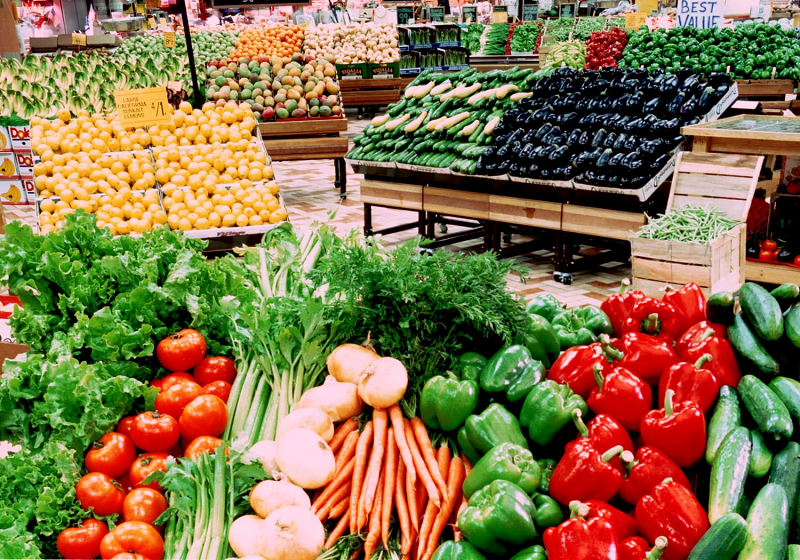
Agricultural products are one of the key sectors, with export turnover showing remarkable growth today
1. How to prepare for exporting agricultural products abroad?
Exporting agricultural products must comply with the following regulations:
1.1. General regulations for exporting agricultural products
General food safety requirements:
– Comply with limits on pathogenic microorganisms, residues of pesticides/veterinary drugs, heavy metals, contaminants, and other substances that may harm human health and life.
– Regulations on food additives and processing aids in production.
– Regulations on product packaging and labeling.
– Regulations on food storage.
– Ensure traceability of food origin.
– Obtain veterinary hygiene certificates from competent authorities for fresh food of animal origin.
Requirements for businesses and production facilities:
– Have suitable premises with appropriate space and safe distance from sources of hazards, contamination, or other harmful factors.
– Provide sufficient standard-quality water for production and food business operations.
– Fully equip facilities for handling raw materials, processing, packaging, storing, and transporting products. Include washing and sterilization tools, disinfectants, and pest control equipment.
– Operate a waste treatment system in accordance with environmental protection laws.
– Keep records of raw material origins and the entire production and business process.
– Comply with health, knowledge, and practice requirements for personnel directly involved in food production and business.
– Ensure safety of tools, materials, packaging, storage, and transportation of food products.
>> See also: Shipping goods from Vietnam to China
1.2. Specific regulations for each type of agricultural product
Each type of agricultural product must also meet the following requirements when exported:
For fruits
Some commonly exported fruits include dragon fruit, rambutan, longan, coconut, jackfruit, mango, etc. Exported fruits cannot use preservatives (even biological preservatives). Sorting, harvesting, and processing must be done quickly to prevent spoilage. Many businesses preserve fruits using ozone washing, cold storage, or waxing the stems.
For rice
Rice exporters need at least one specialized warehouse with a minimum capacity of 5,000 tons of paddy and facilities that meet the regulations of the Ministry of Agriculture and Rural Development. Additionally, there must be at least one rice milling facility with a minimum capacity of 10 tons of paddy per hour.
For coffee
For coffee exports, a quarantine certificate is required. It is recommended that businesses contact the import partner to check quarantine requirements in advance. A certificate of origin (C/O) according to the ICO form is also needed.
For dried tea
Importers of dried tea may request documents such as a certificate of origin, fumigation confirmation, plant quarantine certificate, health certificate, and quality certificate. Businesses need to confirm with the importing country to prepare all required documents before export.
For vegetables and tubers
Vegetables and tubers are not restricted for export but must meet requirements such as product testing, quality declaration, free sale certificate, and health certificate.
For pepper
Pepper does not require an export license, export tax, or VAT. Businesses should verify that the pepper meets the importing country’s standards. Criteria to check include plant quarantine, irradiation, certified growing areas, pesticide residue limits, packaging and labeling, and traceability.
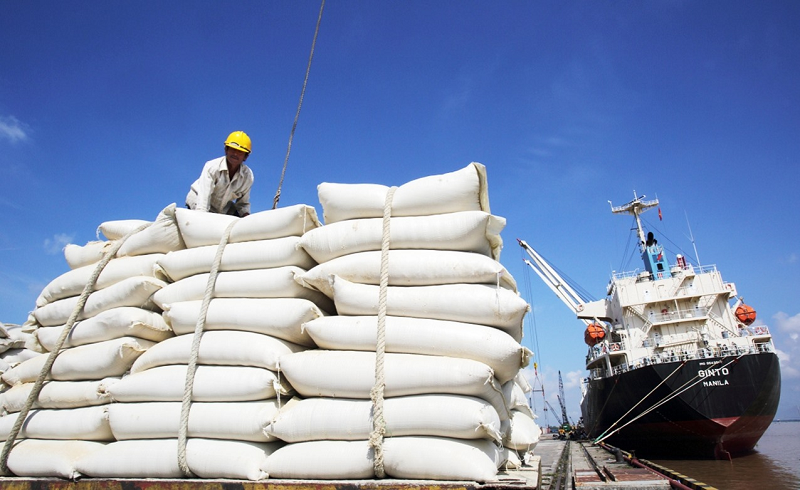
Each type of agricultural product has its own export requirements
2. What is the procedure for exporting agricultural products?
To ensure smooth customs clearance, businesses must follow a 6-step agricultural export process:
Step 1: Check the agricultural products
Before starting the export procedure, businesses should verify whether the agricultural products meet quality standards and the requirements of the target market. Meeting these standards helps save time and costs and increases the likelihood of successful customs clearance.
Step 2: Handle agricultural products and quarantine procedures
Before export, agricultural products must meet the following requirements:
- Products must be grown and harvested in areas with clean raw materials, certified by VietGAP or GlobalGAP.
- Conduct fumigation, irradiation, plant quarantine, and prepare C/O according to regulations.
- Ensure quality standards, content requirements, and no pesticide or chemical residues.
- Use appropriate packaging, such as sturdy cartons, to minimize damage during transport.
>> See also: Standards for exporting agricultural products to Europe
Step 3: Prepare documents for agricultural export procedures
For agricultural products, businesses should prepare the following documents:
- Sale contract (SALE CONTRACT)
- Commercial invoice (COMMERCIAL INVOICE)
- Red invoice (INVOICE)
- Packing list (PACKING LIST)
- Booking with shipping line/airline (BOOKING)
- Original bill of lading (ORIGINAL BILL OF LADING – BL)
- Certificate of origin (CERTIFICATE OF ORIGIN)
- Certificate of quality (CERTIFICATE OF QUALITY / QUALITY)
- Phytosanitary certificate (PHYTOSANITARY)
- Fumigation certificate (FUMIGATION)
- Certificate of free sale (CERTIFICATE OF FREE SALES – CFS)
- Health certificate for food products (HEALTH CERTIFICATE – HC)
- Quality and quantity certification (QUALITY AND QUANTITY CERTIFICATION)
- Radiation certificate (RADIATION CERTIFICATION)
Note: Generally, essential documents include sale contracts, commercial invoices, packing lists, bookings, and original bills of lading. Certificates may be required depending on Incoterms or regulations of the importing country.
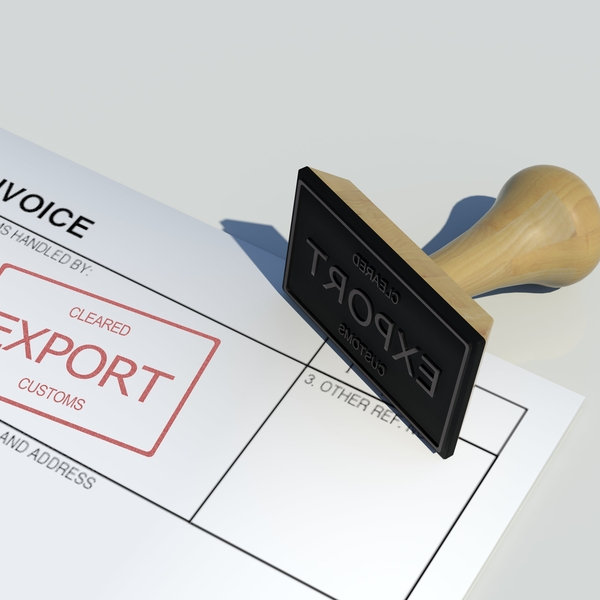
Export procedures include key documents such as C/O, commercial contract, plant quarantine permit, quality certificate…
Step 4: Prepare shipment
After completing export procedures, the business contacts the shipping line to book a container, pack goods, and prepare customs declaration.
Step 5: Customs declaration
Export customs procedures are based on the packing data. Then, the business files an electronic customs declaration, opens a customs declaration, clears goods, completes finalization, and records the shipment.
Step 6: Complete customs clearance for agricultural products
During customs clearance, the business must attach the bill details and submit the VGM two days in advance to the booked shipping line, allowing time for invoice preparation and verification.
3. What is the export tax for agricultural products?
Export tax depends on the specific HS code. To determine the correct tax, businesses can refer to the following HS codes:
- Turmeric: Refer to group 09.10 “ginger, saffron, turmeric (curcuma), basil leaves, thyme, bay leaves, and other spices.”
- Pepper: Refer to group 09.04 “pepper (piper), chili (capsicum), or pimenta, dry, ground or crushed.”
- Onion, garlic: Refer to group 07.03 “onion, shallot, garlic, leek, and other Allium vegetables, fresh or chilled”; group 07.02 “dried vegetables, whole, cut, sliced, or powdered but not further processed.”
- Cinnamon: Refer to group 09.06 “cinnamon and cinnamon flowers.”
- Cashew: Refer to group 08.01 “coconut, Brazil nuts, and raw or roasted cashew nuts, shelled or unshelled”; group 20.07 “nuts and edible parts of trees, processed or unprocessed with sugar, alcohol, or sweeteners.”
>> See also: Cashew export procedures

Export tax is determined based on each product’s HS code
4. Notes when exporting agricultural products
Agricultural products for export include dry and chilled/fresh types:
- For dry products, businesses should adjust air humidity using ventilation equipment to prevent pests and disease. For nuts, humidity should be reduced to 84–87%; for fruits, humidity may be higher.
- For fresh or chilled products, harvesting, packing, and transportation must follow proper sequences to ensure quality. Temperature in airplanes and containers must be adjusted depending on the product. For example, vegetables should be kept at 2–12°C to maintain freshness and reduce spoilage.
This is the complete information about current agricultural export procedures. Since 2019–2020, shipping goods internationally has become more challenging due to stricter regulations and constantly changing policies. This poses a major challenge for Vietnamese businesses, with risks of lost goods or money if regulations are not fully understood.
To prevent this, choose a reputable, experienced company for agricultural export procedures such as 3W Logistics. We provide flexible shipping solutions, optimal efficiency, and competitive costs suitable for businesses’ budgets.
>> See also: Shipping goods to Canada by sea
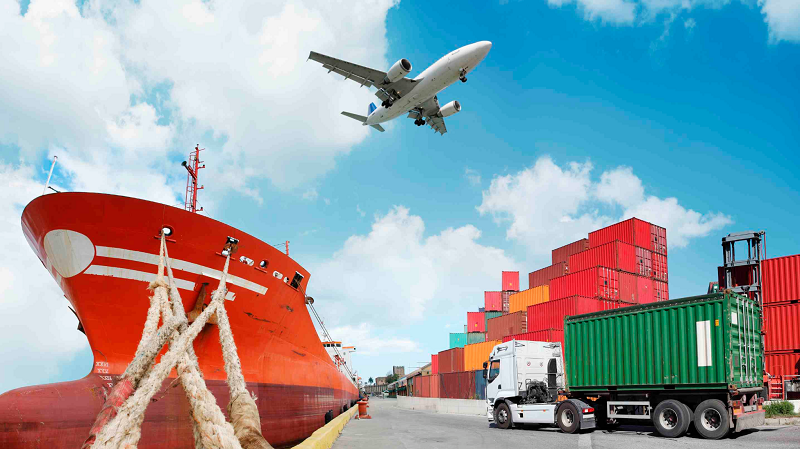
To minimize risks and ensure smooth customs clearance, businesses should choose a reputable and experienced logistics company like 3W Logistics
Especially, 3W Logistics guarantees smooth customs clearance for goods in foreign markets thanks to the following advantages:
- Extensive experience exporting agricultural products to major markets, including the USA, Canada, China, Japan, and South Korea. Specifically, shipping to the USA and Canada is easier because 3W Logistics is an OTI-NVOCC with FMC and bond, capable of issuing HBL independently and filing AMS/ISF (for the USA) and E-Manifest (for Canada) using its own SCAC code.
- 3W Logistics handles the export of key Vietnamese agricultural products such as fruits, nuts, processed vegetables, cashews, coffee, tea, rice, rubber, pepper, cassava and cassava products, wood, and wood products.
- During the export process, 3W Logistics supports adjusting and maintaining proper storage temperatures for agricultural products, tailored to each type, to ensure product quality upon arrival at the port. We also assist businesses with proper packaging according to standards to protect the products.
- Since agricultural products have different shelf lives, 3W Logistics provides advice on optimal transportation methods and timing to avoid spoilage.
- At 3W Logistics, businesses are assisted with preparing or verifying C/O certificates, origin certificates, plant quarantine permits, fumigation, wooden packaging, and customs procedures.
- Our experienced team monitors and manages the agricultural export process carefully and professionally.
- We also advise on appropriate cargo insurance packages, helping businesses save costs while meeting their needs.
For detailed consultation and a complete cost estimate for agricultural exports, businesses can contact the 3W Logistics customer advisory department HERE!
SEE ALSO:
| 1. SEAFOOD EXPORT PROCEDURES 2. GARMENT EXPORT PROCESS 3. SHIPPING AGENTS 4. WOOD EXPORT PROCEDURES |


