

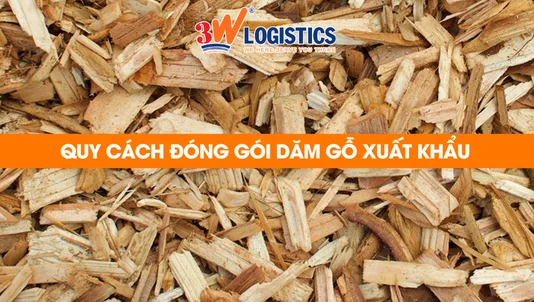
Packaging specifications for exported wood chips are the set of requirements for chip size, moisture content, loading and unloading methods, and legal documentation that chipping mills and traders must complete before loading onto the vessel. Unlike bagged agricultural products, wood chips are almost always shipped in bulk on specialized vessels, so “packaging” here mainly means controlling raw material quality, stowage at the yard and in the ship’s hold, and the set of documents proving legal timber that accompanies each shipment.
In this article, 3W Logistics compiles the complete set of packaging specifications for exported wood chips under current Vietnamese law as of September 2026 – from the 2017 Forestry Law, Decree 102/2020/ND-CP on the Vietnam Timber Legality Assurance System (VNTLAS) as amended by Decree 120/2024/ND-CP, to TCVN 13654-1:2023 and TCVN 13654-2:2023 on wood chips – together with the requirements of major importing markets, from the perspective of a forwarder with over 10 years of experience shipping exported agricultural and forestry products.
1. Why Are Packaging Specifications the Top Priority for Exported Wood Chips?
Wood chips are a flagship export of Vietnam’s wood industry, mainly supplying raw material to pulp and engineered panel mills in China, Japan, and South Korea. Unlike bagged goods, wood chips are loaded directly in bulk onto specialized vessels at deep-water ports, so the biggest risk is not torn packaging but rather foreign matter contamination, uneven moisture causing self-heating in the ship’s hold, and incomplete legal timber documentation causing the shipment to be held at the destination port.
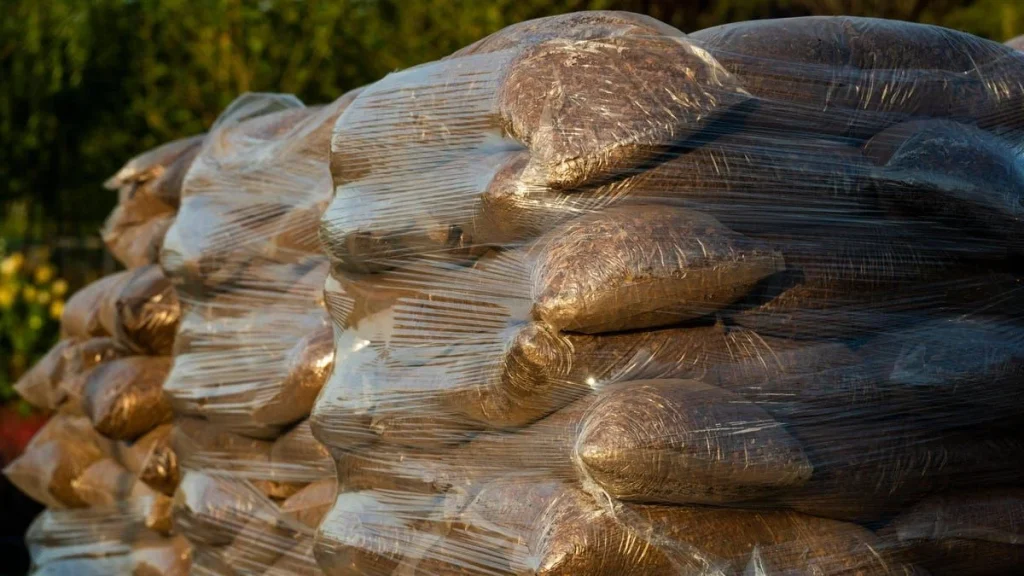
Beyond quality and loading safety, packaging specifications for exported wood chips must simultaneously meet three groups of requirements:
- Domestic legal requirements: The 2017 Forestry Law; Decree 102/2020/ND-CP setting out the Vietnam Timber Legality Assurance System (VNTLAS), as amended and supplemented by Decree 120/2024/ND-CP; Decree 37/2026/ND-CP on goods labeling.
- Technical standard requirements: TCVN 13654-1:2023 on wood chips for pulp production, TCVN 13654-2:2023 on wood chips for particleboard and fiberboard production.
- Importing country requirements: FSC or PEFC/VFCS sustainable forest management certification when the contract requires Chain of Custody; Japanese and South Korean importers often additionally require plant quarantine documentation and residue testing.
Important note: Under Decree 102/2020/ND-CP (as amended by Decree 120/2024/ND-CP), exported wood and wood products must have legal forest product documentation proving origin, including a forest product statement and purchase or harvest documents corresponding to each type of wood owner. Businesses exporting wood chips need to review their raw material sourcing records (plantation forest, imported wood, or liquidated rubber wood) before signing a contract, because packaging specifications for exported wood chips that meet technical standards are still meaningless if the shipment lacks documentation proving legal timber.
2. Wood Chip Quality Standards Before Export
Packaging specifications for exported wood chips only matter once the chip quality standard being loaded onto the vessel has already met TCVN 13654-1:2023 (wood chips for pulp production) or TCVN 13654-2:2023 (wood chips for particleboard and fiberboard production), depending on the importing mill’s intended use. Many shipments are subject to price deductions or rejection by partners because the chips are too wet, contain excessive bark, or are inconsistent in size.
| Criterion | Standard Requirement | Rejected / Downgraded When |
|---|---|---|
| Chip size | Length, width, and thickness uniform per the screen size specified in TCVN 13654-1:2023 or -2:2023, depending on whether the chips are for pulp or engineered panels | Chips too long, too thick, or containing excessive dust/fines beyond the permitted ratio – affects pulping or panel-pressing efficiency at the importing mill |
| Moisture | Per the commercial agreement and the raw wood type (fresh chips typically have higher moisture than air-dried chips); average moisture measured and recorded for each batch before loading | Uneven moisture between chip piles at the yard or between ship’s hold compartments – increases the risk of self-heating and mold during the long journey |
| Foreign matter | Bark, soil, metal, and other foreign matter removed before chipping or during the post-chipping screening stage, within the maximum ratio of each standard | Bark or soil ratio exceeding the declared threshold – the importing mill deducts weight or price upon inspection at the destination port |
| Raw wood type | Correct species as agreed (acacia, eucalyptus, rubber, or a mix); no mixing of chemically treated or decayed wood | Mixed with painted, chemically treated, or decayed wood – affects the quality of the pulp or finished panel, potentially resulting in rejection of the whole batch |
| Legal wood origin | Legal forest product documentation per Decree 102/2020/ND-CP (as amended by Decree 120/2024/ND-CP): a forest product statement, invoice or purchase contract for the raw wood, confirmation of plantation forest origin | Missing traceability documentation – the shipment is held at the departure port or rejected by the importer if the contract requires FSC/PEFC certification |
3. Loading, Unloading, and Storage Specifications for Wood Chips Before Export
This is the core part of packaging specifications for exported wood chips. Since most large-volume exported wood chips are shipped in bulk by specialized bulk carrier through deep-water ports, “packaging” here means controlling how the chips are piled at the yard, how they are loaded into the ship’s hold, and the measures to prevent self-heating, rather than bagging as with ordinary agricultural products.
| Parameter / Stage | Specific Requirement | Reason / Notes |
|---|---|---|
| Transport method | Mainly loaded in bulk onto a specialized wood chip carrier at a deep-water port; some small batches or high-quality chips may be packed in containers using a bottom liner | A specialized bulk carrier optimizes cost for large volumes; a container is only suitable for small batches or routes with no deep-water port able to receive a bulk carrier |
| Staging yard at the mill | Hard, well-drained yard surface; piled by batch, with a height limit to reduce compaction-generated heat; core temperature of the pile monitored periodically for batches stored for extended periods | A pile that is too high or too wet is prone to self-heating, risking a smoldering fire inside the pile |
| Loading onto the vessel | A conveyor belt or specialized grab crane is used to load chips into the ship’s hold; the surface is leveled evenly in each compartment to prevent uneven loading; dust dispersion is monitored per port regulations | Uneven loading easily causes listing as the vessel moves; dust control is a mandatory environmental requirement at many export ports |
| Hold ventilation | Ensure the hold ventilation system operates per the bulk carrier’s recommendations, especially for high-moisture chips or long journeys | Poor ventilation increases the risk of heat and gas buildup from the biological decomposition of fresh wood in the enclosed hold |
| Container loading (small batches or high-quality chips) | The container floor and walls are lined with a moisture-resistant liner; not loaded beyond the container’s permitted weight capacity; sealed with a lead seal per the number recorded on the bill of lading | Containers are suitable when the buyer requires small batches to be separated by origin or certification, which is difficult to achieve on a bulk carrier carrying multiple batches together |
| Documentation accompanying each batch | The weighing slip at the export port, moisture and foreign matter test results based on a representative sample, legal forest product documentation, and FSC/PEFC certification (if required by the contract) accompanying each shipment | In place of a label affixed to each bag, this is the practical “labeling” of a bulk wood chip shipment, used for cross-checking during inspection at the destination port |
4. Documentation and Information Recording Requirements for Exported Wood Chip Shipments
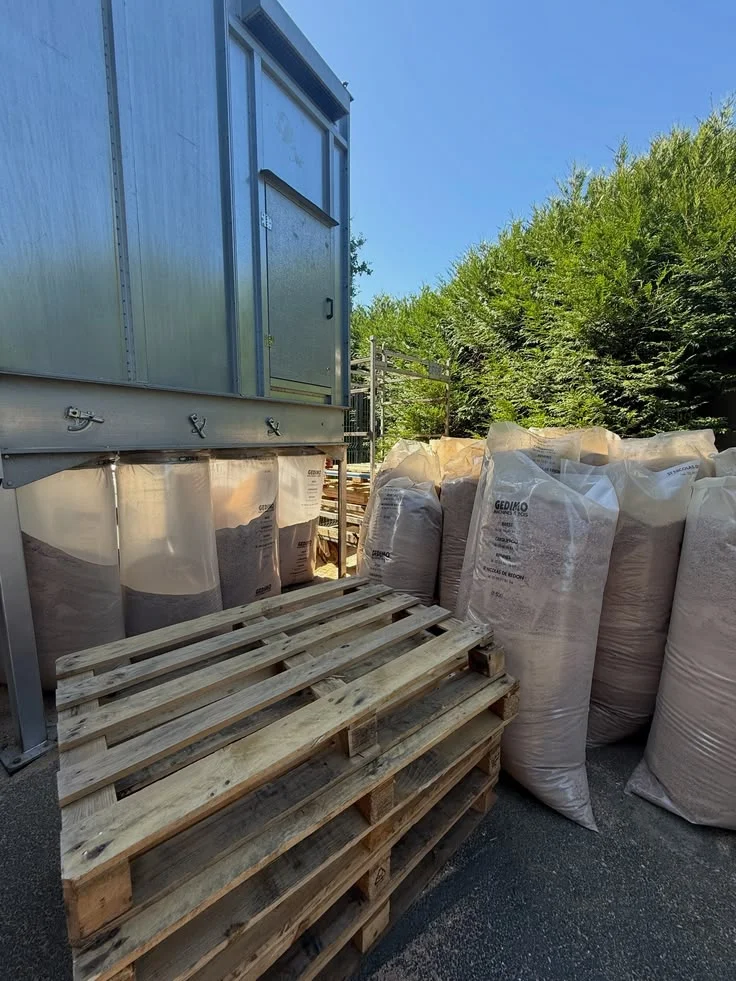
Since bulk wood chips have no packaging to label unit by unit, “labeling” in practice means the set of documents accompanying the shipment, which must simultaneously meet the requirements of Decree 37/2026/ND-CP for packaged goods (applicable when packed in containers) and the legal timber documentation requirements under VNTLAS for every mode of transport.
| Information to Record | Mandatory Content | Practical Notes |
|---|---|---|
| Product name and chip type | Product name in English (Wood Chips), raw wood type, intended use (chips for pulp or chips for engineered panels) | Must match the standard referenced in the contract (TCVN 13654-1:2023 or -2:2023) to avoid disputes during inspection |
| Exporter’s and importer’s name and address | Full name and address of the exporting mill and the importer, matching the foreign trade contract | For wood chips, the survey report at the export port typically takes the place of a label affixed to packaging |
| Origin and wood provenance | “Product of Vietnam”; together with legal forest product documentation proving plantation forest origin or legally imported wood under VNTLAS | Importers in Japan, South Korea, and the EU increasingly require rigorous legal timber traceability documentation rather than a simple origin label |
| Weight and test results | Weight per the port weighing slip, moisture and foreign matter test results based on a representative sample of each batch or each hold compartment | The primary basis for payment and dispute resolution when the actual received weight or quality differs from the contract |
| Chain of Custody certification | A valid FSC or PEFC/VFCS certificate, with the certificate number stated on the invoice and delivery documentation when required by the contract | A missing or expired certificate number means the shipment is not recognized as “certified” even if the raw material actually meets the requirements |
| Container label (when packed in containers) | For container shipments, the label affixed to the outside of the container or on the shipping documents follows Decree 37/2026/ND-CP, with no images or sensitive content related to sovereignty disputes | This applies specifically to container shipments; goods loaded in bulk on a bulk carrier have no physical “label” in this sense |
5. Wood Chip Export Specifications by Intended Use and Market
Packaging specifications for exported wood chips differ according to the importing mill’s end use. Businesses need to agree on the referenced standard and the loading method with the buyer right from the contract negotiation stage.
Bulk-Shipped Pulpwood Chips
This is the most common format, applying TCVN 13654-1:2023 and exported mainly to pulp mills in China, Japan, and South Korea. The cargo is loaded in bulk onto a specialized wood chip carrier at deep-water ports such as Cai Lan, Dung Quat, Quy Nhon, or Cua Lo, with a typical shipment weight ranging from a few thousand to tens of thousands of tons depending on the vessel’s tonnage. Quality is confirmed via an independent survey right at the time of loading.
Wood Chips for Panel Production
Applying TCVN 13654-2:2023, this requires higher size uniformity than pulp chips because it directly affects the quality of the finished particleboard or fiberboard. The loading method is similar to pulp chips, but some small orders or trials of a new raw material source may be packed in containers to keep them separate, making it convenient to check input quality before signing a large contract.
FSC/PEFC Certified Wood Chips
For orders headed to the EU or mills committed to sustainable supply chains, wood chips must have a valid sustainable forest management certificate and a valid Chain of Custody certificate. Certified shipments are usually separated from non-certified chips right from the staging stage at the yard, and the certificate number is recorded on all delivery documentation to ensure transparency during supply chain audits.
From 3W Logistics’ practical experience: For wood chip shipments exported by bulk carrier, the most frequent risks do not arise during the sea voyage but during preparation at the export port: a moisture measurement not representative of the entire batch causes the inspection result to diverge from reality, legal forest product documentation missing intermediary documents in the purchasing chain, and an FSC/PEFC certificate number not updated when the certificate is renewed. All three of these issues can be prevented if the business works with an independent inspection unit and reviews the documentation right from when the raw material arrives at the mill. – Ms. Apple, CCO, 3W Logistics
6. Common Errors in Exported Wood Chip Packaging Specifications
| Common Error | Practical Consequence | Prevention |
|---|---|---|
| Piling too high or storing too long at the yard | Risk of self-heating inside the chip pile, which can lead to a smoldering fire and total loss of the shipment | Limit pile height and storage duration, monitor the pile’s core temperature periodically for batches stored for extended periods |
| Non-representative moisture and foreign matter sampling | Inspection results diverge from the shipment’s actual quality, leading to payment disputes or price deductions upon inspection at the destination port | Sample per the standard method, spread evenly across each hold compartment or loading batch, with confirmation by an independent inspection unit |
| Missing legal forest product documentation for part of the raw material | The shipment is held at the export port or rejected by the importer if the contract requires proof of legal timber origin across the entire chain | Cross-check purchase records with each forest owner or purchasing agent, and retain full records per the amended Decree 102/2020/ND-CP |
| Uneven loading between hold compartments | The vessel lists or becomes unbalanced while moving, affecting maritime safety, and the port authority may require reloading | Coordinate with the shipping agent and port surveyor to level the cargo per the approved stowage plan |
| FSC/PEFC certificate number not updated on documentation | The importer does not recognize the shipment as certified even though the raw material actually qualifies, affecting payment at the certified price | Check the certificate’s validity and update the latest number on the invoice and packing list before each export shipment |
FAQ – Frequently Asked Questions About Exported Wood Chip Packaging Specifications
Question 1: Do exported wood chips need to be bagged like agricultural products?
Mostly not. Large-volume wood chips are loaded in bulk directly onto a specialized vessel at a deep-water port, not bagged in small units like rice or coffee. Container packing only applies to small batches, high-quality chips needing to be kept separate by origin, or when the shipping route has no port able to receive a suitable bulk carrier.
Question 2: What documentation does a business need to prove legal wood chips when exporting?
Under Decree 102/2020/ND-CP setting out the Vietnam Timber Legality Assurance System (VNTLAS), as amended and supplemented by Decree 120/2024/ND-CP, businesses need legal forest product documentation including a forest product statement and purchase or harvest documents corresponding to each type of wood owner (organizational or household plantation forest, or imported wood). When the contract requires sustainable forest management certification, the business additionally needs a valid FSC or PEFC/VFCS certificate and a Chain of Custody code.
Question 3: Why are wood chips prone to self-heating, and how can it be prevented?
Fresh wood chips contain moisture and organic compounds that readily biodegrade; when piled high and in a poorly ventilated area, this generates accumulated heat that can lead to self-heating or a smoldering fire inside the pile. Prevention involves limiting pile height, limiting storage duration at the yard, monitoring the pile’s core temperature periodically, and ensuring good ventilation both at the staging yard and in the ship’s hold during transport.
Question 4: What is the HS code for exported wood chips and the current export tax rate?
Wood chips fall under HS heading 4401, subheadings 4401.21 (softwood chips) and 4401.22 (non-coniferous wood chips – the most common type in Vietnam’s exports). The specific export tax rate under the current Export Tariff Schedule may change from period to period depending on raw timber export management policy, so businesses need to check the latest export tariff schedule at the time of filing the declaration to apply the correct tax rate and avoid retroactive tax collection after clearance.
How Does 3W Logistics Support Wood Chip Exports?
As a freight forwarding company registered as an OTI-NVOCC with an FMC (Federal Maritime Commission) bond in the United States, with over 10 years of experience shipping exported agricultural and forestry products, 3W Logistics provides an end-to-end service for chipping mills, forestry product businesses, and traders exporting wood chips – from consulting on packaging specifications for exported wood chips, through to customs clearance and delivery to the buyer’s mill in the importing country.
End-to-end export solutions from 3W Logistics:
- Loading and unloading specification consulting and documentation review before shipping: Reviewing legal forest product documentation and moisture and foreign matter test results before loading, catching errors early rather than at the destination port.
- Booking a bulk carrier or container depending on shipment size: Connecting with specialized wood chip carrier operators for large shipments, or advising on container packing for small batches and certified chips needing to be kept separate.
- Sea freight shipping to China, Japan, South Korea, and other markets: Optimizing routes, transit times, and costs for each destination port and each vessel type.
- Customs declaration and documentation preparation: Supporting legal forest product documentation under VNTLAS, quality inspection certificates, and FSC/PEFC certification when required by the contract.
- Support with loading supervision and weight/quality complaint handling: Coordinating with an independent inspection unit at the export port, keeping weighing slips and test results for each batch to resolve disputes quickly when they arise.
Why choose 3W Logistics for exported wood chip shipments? Correct loading and unloading specifications are only a necessary condition. A batch of quality wood chips can still be held at port or subject to price deductions if the legal forest product documentation is incomplete, the inspection sample is not representative, or the certificate number is not updated. We control the entire chain from preparation at the mill through to delivery, not just booking the vessel and filing the declaration. Contact 3W for specific guidance on the route and cost for your next wood chip export shipment.
Address: 34 Bach Dang, Tan Son Hoa Ward, Ho Chi Minh City
Hotline: +84 28 3535 0087
____________________________
3W Logistics Hanoi Branch
Address: 81A Tran Quoc Toan, Cua Nam Ward, Hanoi
Hotline: +84 24 3202 0482
____________________________
3W Logistics Hai Phong Branch
Address: 8A Lot 28 Le Hong Phong, Gia Vien Ward, Hai Phong
Hotline: +84 225 355 5939
____________________________
3W LOGISTICS CO., LTD – We here serve you there!
Email: info@3w-logistics.com
Website: www.3w-logistics.com

Ms. Apple is the CCO (Chief Commercial Officer) at 3W Logistics, with over 10 years of experience in sales and business operations management.
At 3W Logistics, Ms. Apple is responsible for commercial strategy, corporate customer development, managing a team of more than 50 sales professionals, and improving business performance in the logistics sector.
With practical experience in sales management and market development, Ms. Apple shares professional insights on business logistics solutions, international transportation, freight forwarding, customer management, trade lane development, and growth strategies in the logistics industry.


