
Ocean Freight Rates to the U.S.: Costs and Key Factors Affecting Pricing
“How much are shipping rates to the U.S.?” is a question many businesses are concerned about. Currently, the United States is one of Vietnam’s largest export markets. Goods shipped to this country are highly diverse and are mainly transported by sea. However, there are still many questions surrounding ocean freight rates to the U.S. and how to accurately check shipping costs. Let’s explore the article below with 3W Logistics to better understand sea freight rates to the U.S.
1. Overview of ocean freight services to the United States
As one of the countries with the longest coastlines in the world, the United States has favorable conditions for the development of sea freight services. Shipping goods from Vietnam to the U.S. by sea typically involves large vessels. Goods are packed into containers, with an average volume of around 15 cubic meters.
>> See more: Ocean freight rates
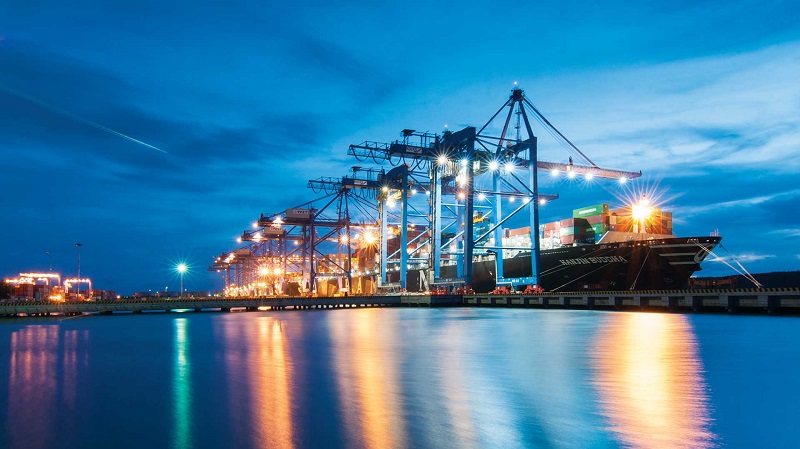
Shipping goods to the U.S. by sea is popular due to its lower cost, making it suitable for many businesses
1.1 What shipping methods are available to the U.S.?
Depending on the export needs of each business, freight forwarders can recommend suitable shipping methods, including:
– FCL (Full Container Load): Applicable when shipment volume is 15 cubic meters or more.
– LCL (Less than Container Load): Applicable when shipment volume is less than 15 cubic meters.
– Door-to-Door shipping: A full-package service including pickup, international transportation, and customs clearance from Vietnam to the U.S. and vice versa. This service helps businesses reduce costs, save time, and minimize complex procedures.
1.2 Advantages of ocean freight to the U.S.
Shipping goods to the U.S. by sea is widely chosen by businesses due to the following key advantages:
– Cost efficiency: Ocean freight rates are about one-tenth of air freight costs.
– Cargo flexibility: Sea freight allows transportation of oversized, heavy, and bulky goods that are difficult to ship by other methods.
– Cargo safety: With vast ocean routes, there is less risk of collision, ensuring maximum safety for goods during transit.
>> See more: Shipping from Vietnam to China
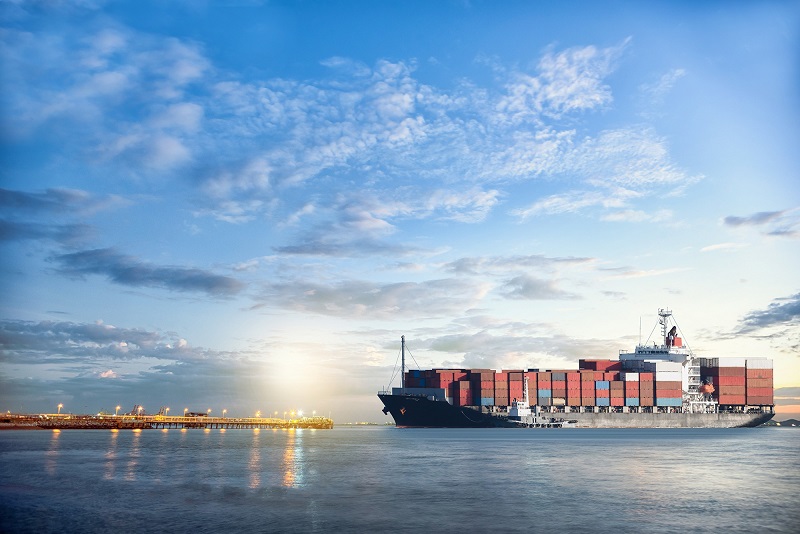
Ocean routes are vast, minimizing collisions and ensuring maximum cargo safety
2. Current situation of ocean freight rates to the U.S.
During the COVID-19 pandemic, shipping goods from Vietnam to the U.S. by sea experienced significant fluctuations. One of the most volatile factors was freight rates. Specifically, ocean freight rates surged due to the following factors:
2.1 Impact of COVID-19 leading to container shortages
Many businesses struggled as freight rates to the U.S. increased dramatically. Before the pandemic, the cost of shipping a 40-foot refrigerated container to the U.S. was relatively stable, around USD 2,000–2,200.
When the pandemic escalated in 2020, rates rose significantly (USD 8,000–9,000 per 40-foot container), and by late 2021, they peaked at USD 19,840—over 10 times the initial rate. Experts attribute this surge to the prolonged impact of COVID-19 on global trade and supply chains.
As a result, many large vessels in the U.S. experienced congestion due to lockdowns and labor shortages. This disrupted supply chains, increased vessel turnaround time by 20%–25%, and led to severe shortages of empty containers, driving freight rates out of control.
>> See more: U.S. import regulations
2.2 Post-pandemic demand recovery
In early 2022, after a period of restricted trade, global demand began to recover strongly. However, freight rates did not decrease; instead, they remained at record highs of around USD 20,000 per 40-foot container.
Overall, ocean freight rates to the U.S. remain high due to both pandemic and post-pandemic effects. However, businesses can still rely on experienced freight forwarders to secure competitive and optimized shipping costs.
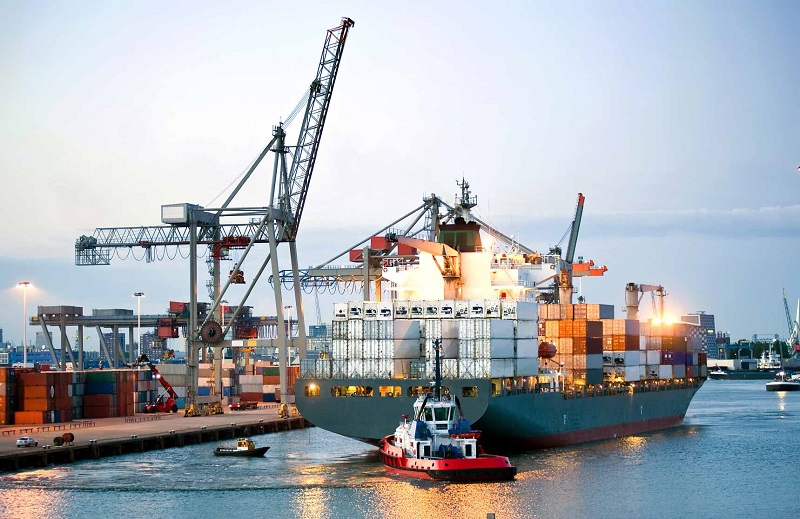
Freight rates to the U.S. surged not only during COVID-19 but also continued rising as global demand recovered
3. How much does it cost to ship goods to the U.S. by sea?
Below are some reference details regarding ocean freight rates to the U.S.:
3.1 Factors affecting ocean freight rates to the U.S.
Ocean freight rates are not fixed and depend on several factors, including:
– Shipping distance: The longer the distance, the higher the freight cost. Remote or hard-to-access locations may also incur higher charges.
– Type of cargo: Freight rates vary depending on the type of goods, such as food, agricultural products, bulky cargo, or oversized/heavy equipment.
– Cargo volume: Freight rates are calculated based on weight or volume. Larger shipments typically benefit from lower unit costs.
3.2 Detailed freight rate table by route
Below is a detailed reference table of ocean freight rates to the U.S., with departures from Ho Chi Minh City:
| Port of Loading | Port of Discharge | Ocean Freight (20’ Container) | Ocean Freight (40’ Container) |
Ho Chi Minh City | Houston | 6,500.00 USD | 8,000.00 USD |
| Boston | 6,200.00 USD | 7,700.00 USD | |
| Oakland | 5,700.00 USD | 6,900.00 USD | |
| Los Angeles | 5,700.00 USD | 6,900.00 USD | |
| New York | 6,500.00 USD | 8,000.00 USD | |
| Miami | 6,400.00 USD | 7,900.00 USD | |
| Seattle | 5,700.00 USD | 6,900.00 USD |
*Note: The above rates are for reference only. Ocean freight rates to the U.S. may vary depending on transit time (standard or express), cargo type, and the shipping period during the year.
3.3 Additional surcharges for ocean freight from Vietnam to the U.S.
In addition to base ocean freight, there are several additional charges incurred during the shipping process, including:
| LCL EXPORT LOCAL CHARGES | |||||
| No. | Surcharge Name | Unit | Currency | Rate | Remark |
| 1 | THC (Terminal Handling Charge at origin) | CBM | USD | 6 | – |
| 2 | EBS (Emergency Bunker Surcharge) | CBM | USD | 3 | – |
| 3 | BILL (Documentation fee) | SET | USD | 25 | – |
| 4 | CFS (Container Freight Station handling charge) | CBM | USD | 8 | – |
| 5 | AMS (Automated Manifest System filing fee) | SET | USD | 10 | (For U.S. shipments only) |
| FCL EXPORT LOCAL CHARGES | ||||||
| No. | Surcharge Name | Unit | Currency | Rate | Remark | |
| 20’ Container | 40’ Container | |||||
| 1 | THC (Dry) (Terminal Handling Charge – dry cargo) | – | USD | 120 | 180 | – |
| 2 | THC (Reefer) (Terminal Handling Charge – refrigerated cargo) | – | USD | 150 | 220 | – |
| 3 | SEAL (Seal fee) | UNIT | USD | 10 | 10 | – |
| 4 | BILL (Documentation fee) | SET | USD | 40 | – | |
| 5 | TELEX RELEASE (Telex release fee) | SET | USD | 30 | If applicable | |
| 6 | AMS (Automated Manifest System filing fee) | SET | USD | 35 | (For U.S. shipments only) | |
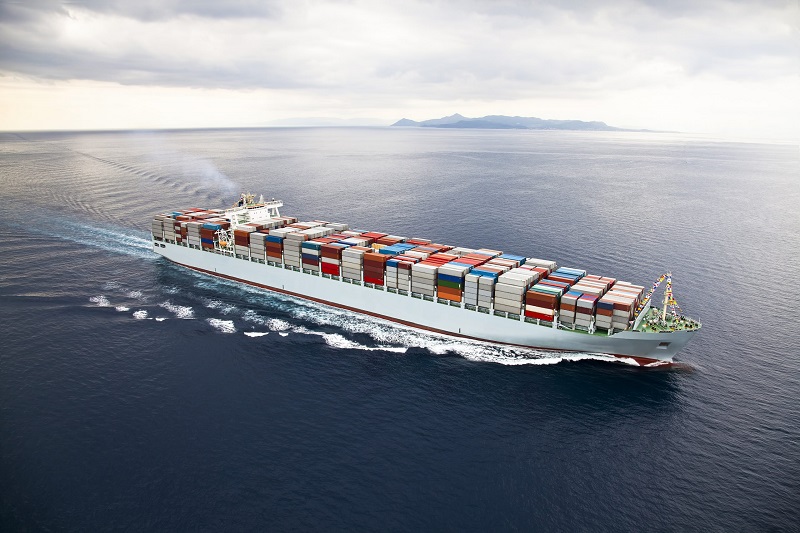
In addition to ocean freight rates to the U.S., businesses should also pay attention to potential surcharges incurred during the shipping process
4. Advantages of 3W Logistics for ocean freight to the United States
Currently, 3W Logistics is trusted by many businesses for shipping goods to the U.S. by sea, thanks to the following key advantages:
– Competitive and stable ocean freight rates, as 3W Logistics has established partnerships with most major shipping lines in the market such as Maersk Lines, SeaLand, ONE, Yang Ming, Evergreen, COSCO, Hyundai, OOCL, Hapag-Lloyd, Wan Hai, KMTC, SITC, CMA CGM, and MSC.
– A wide range of ocean freight services, including FCL, LCL, and Door-to-Door solutions, designed to meet diverse customer requirements efficiently.
– 3W Logistics is an OTI-NVOCC licensed by the FMC with a valid bond, capable of issuing its own House Bill of Lading (HBL) and filing AMS/ISF for U.S. shipments under its own SCAC code. Our FMC number is #029003.
– Extensive experience in handling various types of cargo to the U.S. by sea, including agricultural and seafood products (coffee, tea, cashews, fish, shrimp), consumer goods (vermicelli, rice noodles, instant noodles, confectionery), garments (fabrics, clothing), wood, rubber, and furniture. This ensures the highest success rate for each shipment.
>> See more: Transit time for container shipping from Vietnam to the U.S.
3W Logistics proudly provides shipping services from Vietnam to the U.S. with competitive ocean freight rates and high-quality service
Ocean freight shipping process to the U.S. at 3W Logistics
The shipping process to the U.S. by sea at 3W Logistics follows international standards and includes the following 9 steps:
– Step 1: Negotiate and sign the contract with the client.
– Step 2: Contact the shipping line to book space.
– Step 3: Deliver cargo to the port and load it into containers for export to the U.S.
– Step 4: Handle export customs clearance procedures.
– Step 5: Issue the Bill of Lading (B/L) and manage documentation.
– Step 6: Update the client on cargo arrival status.
– Step 7: Issue the Delivery Order (D/O).
– Step 8: Handle import customs clearance procedures.
– Step 9: The consignee receives the cargo, completes payment, and closes the shipment.
For ocean freight rates to the U.S. at 3W Logistics, please contact us now for fast, accurate, and transparent quotations!
t-weight: 400;”> Nhà nhập khẩu nhận hàng, thanh toán và kết thúc chuyến gửi hàng đi Mỹ.
Đối với cước tàu đi Mỹ tại 3W Logistics, doanh nghiệp hãy liên hệ ngay với chúng tôi để được báo giá nhanh chóng, chính xác và minh bạch nhất!

Mr. William, Vietnamese name Vu Van Nho, is the CEO of 3W Logistics. In his leadership role, he is responsible for strategic development, business operations, and improving the company’s logistics service quality.
He has experience in logistics, import-export operations, and international transportation, especially in sea freight, air freight, inland transportation, customs procedures, and supply chain solutions for businesses.
With a practical business mindset and a customer-focused approach, Mr. William aims to develop 3W Logistics into a reliable, professional, and efficient logistics service provider for import-export companies in Vietnam.


