Blog
Currently, shipping goods from Vietnam to China is a major concern for many enterprises. As a neighboring country sharing a land border with Vietnam, China possesses one of the world’s largest consumer markets. This presents an opportunity for businesses to promote import–export activities and maximize profits.
To better understand the methods as well as procedures for shipping goods from Vietnam to China effectively, businesses can refer to the information in the article below!
1. What shipping methods are available from Vietnam to China?
Currently, 3W Logistics provides shipping services to China through several common modes, including:
1.1 Road freight from Vietnam to China
This method involves transporting goods to China using vehicles such as container trucks, pickup trucks, or medium-duty trucks. Nowadays, road freight services are widely chosen by businesses. Thanks to the shared border and close geographical proximity between Vietnam and China, road transportation helps enterprises save both time and costs effectively.
1.2 Sea freight from Vietnam to China
This method uses large vessels to carry out exports from Vietnam to China. Goods are typically packed into containers with an average volume of 15 cubic meters.
It is a suitable option for businesses needing to transport oversized or overweight cargo that cannot be handled by other modes of transportation.
1.3 Air freight from Vietnam to China
This method involves transporting goods by aircraft and is suitable for high-value items such as pharmaceuticals, gold, diamonds; branded fashion and cosmetic products, or when businesses need urgent shipments or fragile goods.
Air freight services ensure maximum safety, minimize risks of damage or loss, and accelerate transit time to meet business schedules.
2. What types of goods are allowed to be shipped from Vietnam to China?
Before shipping goods from Vietnam to China, businesses must clearly understand which commodities are permitted for export. Specifically:
– Electronics, including computers, video cameras, projectors, audio players, mobile phones, studio systems, sound systems, and musical instruments.
– Consumer goods, including clothing, footwear, accessories, jewelry, toys, and household decorative items.
– Parcel shipments (documents), including documents, letters, personal papers, study abroad applications, or immigration dossiers.
– High-value goods, including ceramics, wooden products, bamboo, rattan, or glassware.
– Returned goods, warranty/repair items, temporary import for re-export, or goods manufactured in China.
– Duty-free items such as gifts and souvenirs.
– Containerized cargo (20’ containers, 40’ containers).
– Agricultural and aquatic products such as rice, barley, green rice flakes, tea, vermicelli; or dried foods such as dried fish, dried shrimp, dried squid, dried bamboo shoots, and nuts.
– Cosmetics such as skincare, haircare, nail care, and makeup products.
3. How long does shipping from Vietnam to China take?
Depending on the selected mode of transport, transit time may vary as follows:
– Road freight from Vietnam to China: Approximately 2 – 10 days.
– Sea freight from Vietnam to China: Approximately 4 – 16 days (depending on ports of loading and discharge).
– Air freight from Vietnam to China: Approximately 1 – 5 days.
*Note: The above transit times are for reference only and may vary depending on shipping schedules, weather conditions, terrain, and customs clearance procedures.
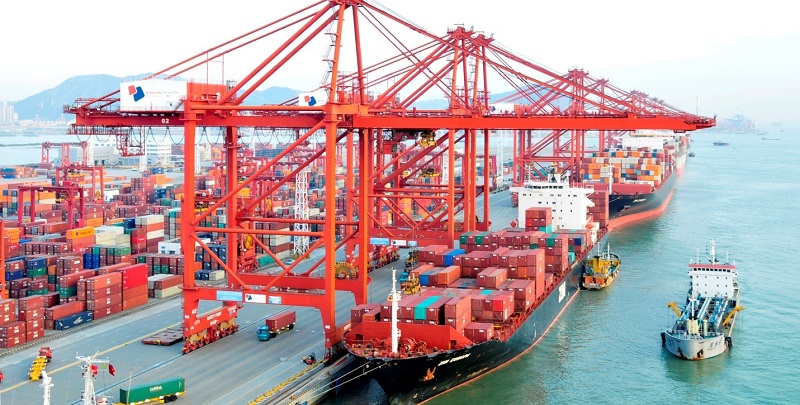
Depending on the mode of transport, transit time from Vietnam to China may vary. Businesses should contact a freight forwarder for detailed and accurate information.
>> Read more: Container shipping time from Vietnam to the United States
4. What procedures are required for shipping from Vietnam to China?
To ensure smooth shipping operations to China and optimize success rates, businesses must carefully prepare the following procedures:
4.1 Provide shipper/consignee information
To facilitate delivery and customs declaration, businesses must provide the freight forwarder with the following information:
– Consignee information at the destination.
– Shipment details, including product type and quantity.
– Shipper information, including company address and contact number.
4.2 Verify eligible and restricted goods
Before shipping from Vietnam to China, businesses should clearly identify which goods are permitted or prohibited, as follows:
– Permitted goods for export to China: including electronics, home appliances, cosmetics, garments, food products, souvenirs, documents, and personal effects.
– Prohibited goods for export to China: including explosives (fireworks, bombs, mines), military equipment, weapons and ammunition, banned agrochemicals, scrap and waste, stimulants, narcotics, obscene publications, used goods, or items made of gold, silver, and precious stones.
>> Read more: U.S. import regulations
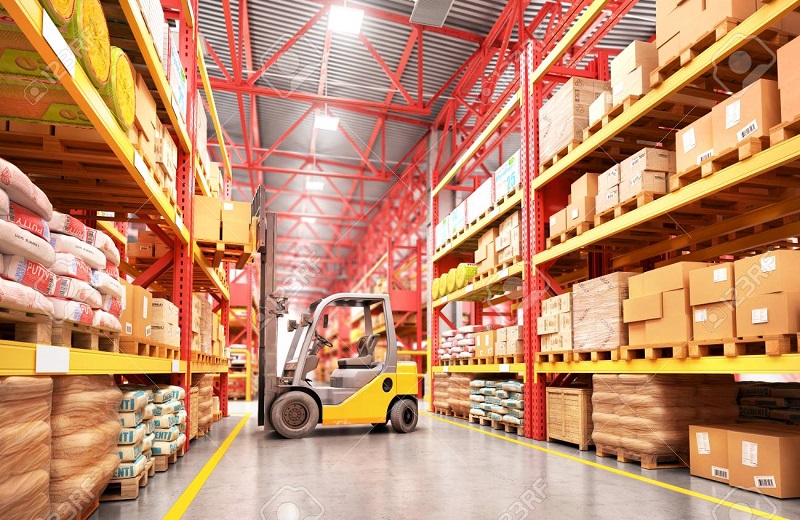
Before shipping from Vietnam to China, businesses must verify whether the goods are eligible for export.
4.3 Customs procedures
To successfully ship goods from Vietnam to China, businesses must prepare the following documents:
– Commercial Invoice: A fundamental document specifying cargo details, total shipment value, Incoterms, payment terms, and shipping method.
– Bill of Lading (B/L): The B/L allows businesses to track shipment information. A copy is usually sent to the importer to arrange cargo receipt.
– Cargo Control Document (CCD): Prepared by the freight forwarder prior to shipment, including full details of the shipper, manufacturer, and exporter, and submitted to border authorities for shipment monitoring.
– Shipper’s Export Declaration (SED): A mandatory document required to ensure smooth export procedures.
>> Read more: Standards for exporting agricultural products to Europe
5. Factors affecting shipping costs from Vietnam to China
Shipping costs from Vietnam to China are a key concern for businesses. In practice, it is difficult to determine a fixed rate, as costs depend on several factors:
– Type of goods: general cargo is typically cheaper than special cargo.
– Shipment volume: larger volumes may benefit from more competitive rates when working with reputable forwarders.
– Mode of transport: road freight is usually the cheapest, followed by sea freight, and air freight being the most expensive.
– Pickup location in Vietnam and delivery location in China.
– Additional surcharges such as fuel surcharge, remote area surcharge, or oversized/overweight cargo surcharge.
6. Shipping process from Vietnam to China
The shipping process from Vietnam to China typically includes the following 9 steps:
Step 1: Negotiate, discuss, and sign the contract.
Step 2: Contact the carrier to book space.
Step 3: Pack goods according to standards and deliver them to the export location.
Step 4: Complete export customs clearance.
Step 5: Issue the Bill of Lading (B/L) and exchange documents.
Step 6: Notify the consignee of cargo arrival.
Step 7: Issue the Delivery Order (D/O).
Step 8: Complete import customs clearance.
Step 9: The importer receives the goods, completes payment, and finalizes the shipping process.
7. Advantages of using 3W Logistics services for shipping from Vietnam to China
Currently, 3W Logistics is an experienced provider in Vietnam–China logistics, offering key advantages such as:
– Competitive and stable pricing thanks to strong partnerships with major shipping lines and trucking companies.
– Reliable service quality, ensuring cargo safety and integrity upon delivery.
– Extensive experience handling diverse cargo types such as agricultural and seafood products (coffee, tea, cashew nuts, fish, shrimp), consumer goods (noodles, rice vermicelli, confectionery), garments (fabric, clothing), wood, rubber, and furniture.
– Flexible logistics solutions including sea freight, air freight, cross-border trucking, customs brokerage, and door-to-door services to meet various business needs.
– A professional team with years of experience, supporting businesses in preparing documentation and procedures.
– Regular shipment updates to help businesses track cargo and promptly handle potential risks.
– Additional services such as full-package customs consulting, cargo insurance, certificate of origin (C/O), quarantine certification, fumigation, and wooden packaging.
– A global agent network, enabling efficient handling of customer requests both domestically and internationally.
>> Read more: Container leasing rates
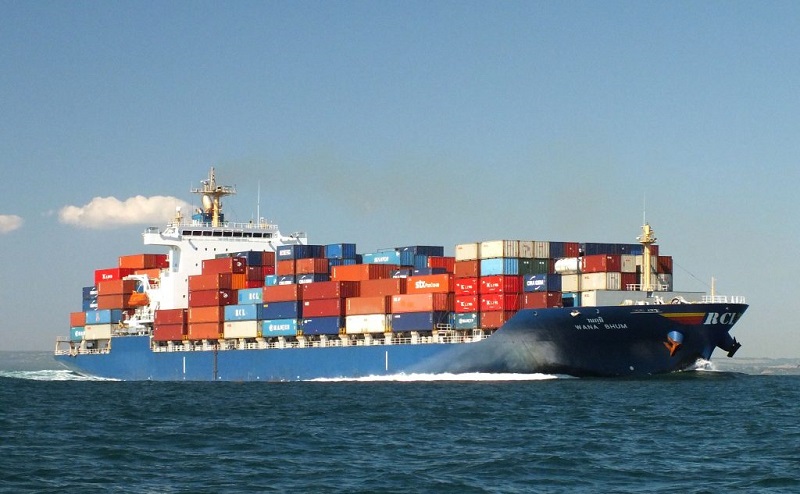
3W Logistics provides cost-effective shipping solutions from Vietnam to China, with efficient customs support and minimized risks.
For shipping rates from Vietnam to China at 3W Logistics, please contact us for a fast, accurate, and transparent quotation.
| EXPLORE MORE LOGISTICS SERVICES FROM 3W LOGISTICS 1. LCL (Less than Container Load) shipping 2. International freight services |


