Blog
The United States is the largest export market for Vietnamese goods (according to the General Statistics Office) and has shown impressive growth year by year. Therefore, domestic businesses are increasingly promoting exports to this market. To ensure a smooth shipping process, understanding U.S. import regulations is essential. The article below outlines U.S. export regulations corresponding to each industry sector.
1. Regulations for goods exported to the U.S.
Goods exported to the U.S. are categorized by industry as follows:
1.1. Agricultural and seafood products
Agricultural and seafood products achieve high export value to the U.S., such as shrimp, fish, coffee, rubber, rice, cashew nuts, black pepper, etc. Seafood, in particular, is considered a key export product of Vietnam.
For agricultural products entering the U.S., the following regulations must be met:
- Commercial quality standards and labeling regulations.
- Food safety regulations.
- Product traceability requirements.
- Plant quarantine regulations.
- Customs declaration.
For seafood products, businesses must comply with:
- Food laws.
- Bioterrorism Act (BTA) 2002.
- Trademark laws.
- U.S. national registration system.
- Labeling requirements.
- Food additive regulations.
>> See also: Standards for exporting agricultural products to Europe
1.2. Wood and furniture products
Vietnamese wood and furniture products are highly favored in the U.S. market, generating significant export revenue annually. When exporting wood and furniture to the U.S., businesses need to prepare the following documents:
- Legal timber documentation according to the law, specifying quantity, type, and origin of the wood.
- Phytosanitary certificate and fumigation certificate.
- Certificate of Origin (CO).
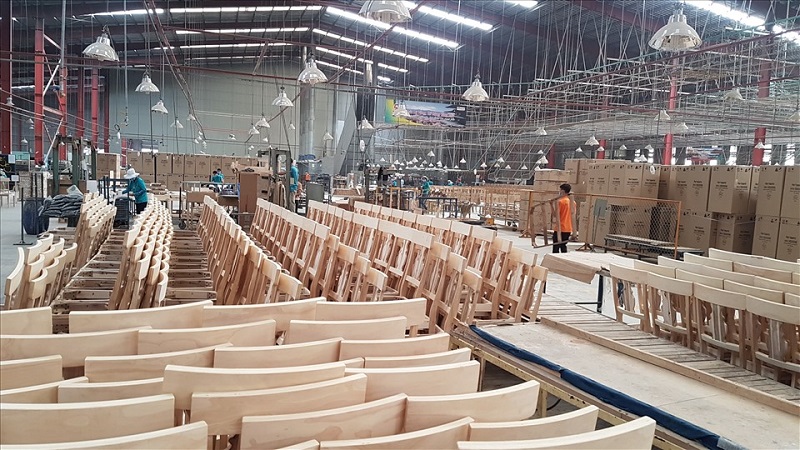
Understanding U.S. regulations on wood and furniture imports helps make shipping easier
1.3. Apparel products
Exports of apparel to the U.S. have been strongly growing over the years. Therefore, businesses must comply with U.S. import regulations related to apparel to ensure smooth shipping, including:
- Consumer Product Safety Act (CPSA).
- Mandatory third-party certification and testing.
- Flammable Fabrics Act.
- Labeling of products and imported containers.
- Federal Insecticide, Fungicide, and Rodenticide Act (FIFRA).
- Toxic Substances Control Act (TSCA).
- Federal Trade Commission Act (FTC Act).
- Textile Fiber Products Identification Act.
- Wool Products Labeling Act.
- Environmental regulations.
- Care labeling rules.
- Organic certification.
>> See also: Apparel export process
1.4. Consumer goods
Vietnamese consumer products such as fish sauce, coconut water, vermicelli, dried noodles, etc., have high consumption in the U.S., creating opportunities for domestic businesses. Consumer goods exported to the U.S. must comply with:
- FDA food safety regulations.
- Health Certificate (HC).
- Certificate of Origin (CO).
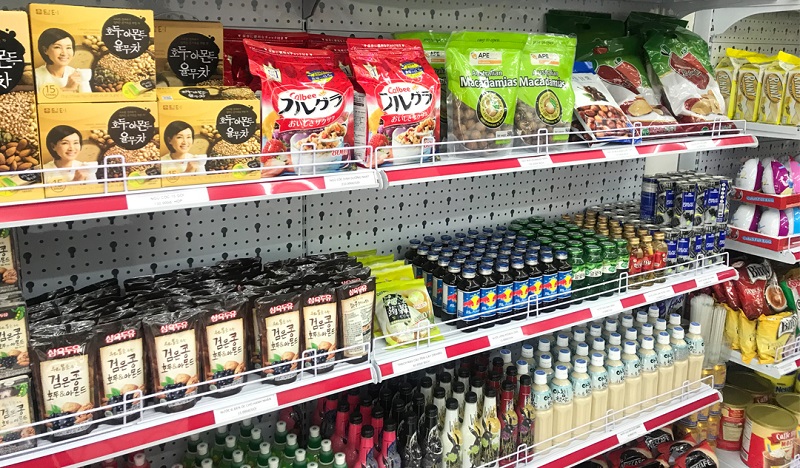
Complying with U.S. consumer goods import regulations ensures safe and high-quality shipping
2. Goods not allowed for export to the U.S.
In addition to permitted goods, businesses should also be aware of items that cannot be exported to the U.S. to avoid customs rejection and costly returns. Prohibited items include alcoholic beverages, live animals, pharmaceuticals, processed foods, and electrical products.
3. Notes when exporting to the U.S.
Before exporting goods to the U.S., businesses should pay attention to the following:
- Research export procedures and which goods are allowed or prohibited to prepare documents and estimate customs fees.
- Ensure accurate customs declaration, submit all required documents, and pay duties on time.
- If products require FDA certification, register for an FDA number and comply with labeling and the Food Safety Modernization Act (FSMA).
- For sea shipments, submit AMS (Automated Manifest System) declarations 48 hours before vessel departure and ISF (Importer Security Filing) 48 hours prior to sailing.
3W Logistics is a leading provider of shipping services to the U.S. in Vietnam, partnering with many major domestic companies. Key advantages include:
- 3W Logistics is an OTI-NVOCC with FMC and bond, capable of issuing HBL (House Bill of Lading) and filing AMS/ISF using its SCAC code, a complex process not all logistics companies can handle. FMC licensing is required for exporting to the U.S., making this a major strength.
- Experienced in shipping various goods such as agricultural/seafood products, apparel, consumer goods, and wood/furniture, ensuring proper storage and safe transportation.
- Dedicated customs consultancy team to assist clients, check compliance, and prepare required export documents (HC, CO, FDA certificates, etc.).
- Advises on appropriate cargo insurance to minimize costs.
- Partners with major shipping lines to offer competitive freight rates.
- Has U.S. agents to handle client requests or arising issues efficiently.
- Ensures transparent and reliable shipping processes, meeting all customer requirements.
>> See also: Sea freight rate lookup

3W Logistics ensures timely, intact delivery of goods
Above are U.S. regulations on imported goods across key sectors for Vietnam, including agricultural/seafood, apparel, consumer goods, and wood/furniture. Compliance ensures high-quality, safe, and fast export shipments to the U.S.
>> SEE MORE REGULATIONS AND EXPORT/IMPORT PROCEDURES BY INDUSTRY AT 3W LOGISTICS
| 1. AGRICULTURAL EXPORT PROCEDURES |


