
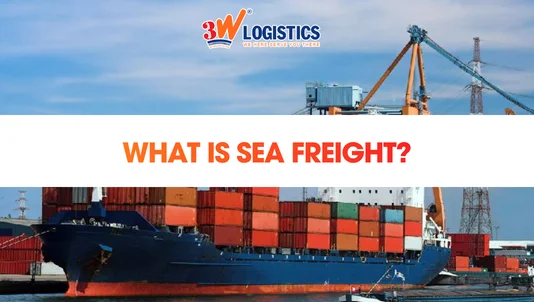

Sea freight is the method of transporting goods by ocean vessels across international and domestic shipping lanes. It is not only the oldest mode of transport in the history of human commerce but also the backbone of the modern global supply chain, accounting for approximately 80% of total world trade volume by weight.
Whether you are exploring sea freight to start importing/exporting, optimize logistics costs, or simply gain a deeper understanding of the international transport industry, this article provides a comprehensive guide — from core concepts and step-by-step processes to mandatory shipping documents, freight rate calculations, and practical tips to mitigate risks and reduce costs.
What Is Sea Freight?
Sea freight refers to the transportation of goods, passengers, or vehicles from one point to another via maritime routes, using specialized ocean vessels such as container ships, bulk carriers, tankers, RoRo (Roll-on/Roll-off) vessels, and others — supported by a network of seaports, warehouses, and associated logistics infrastructure.
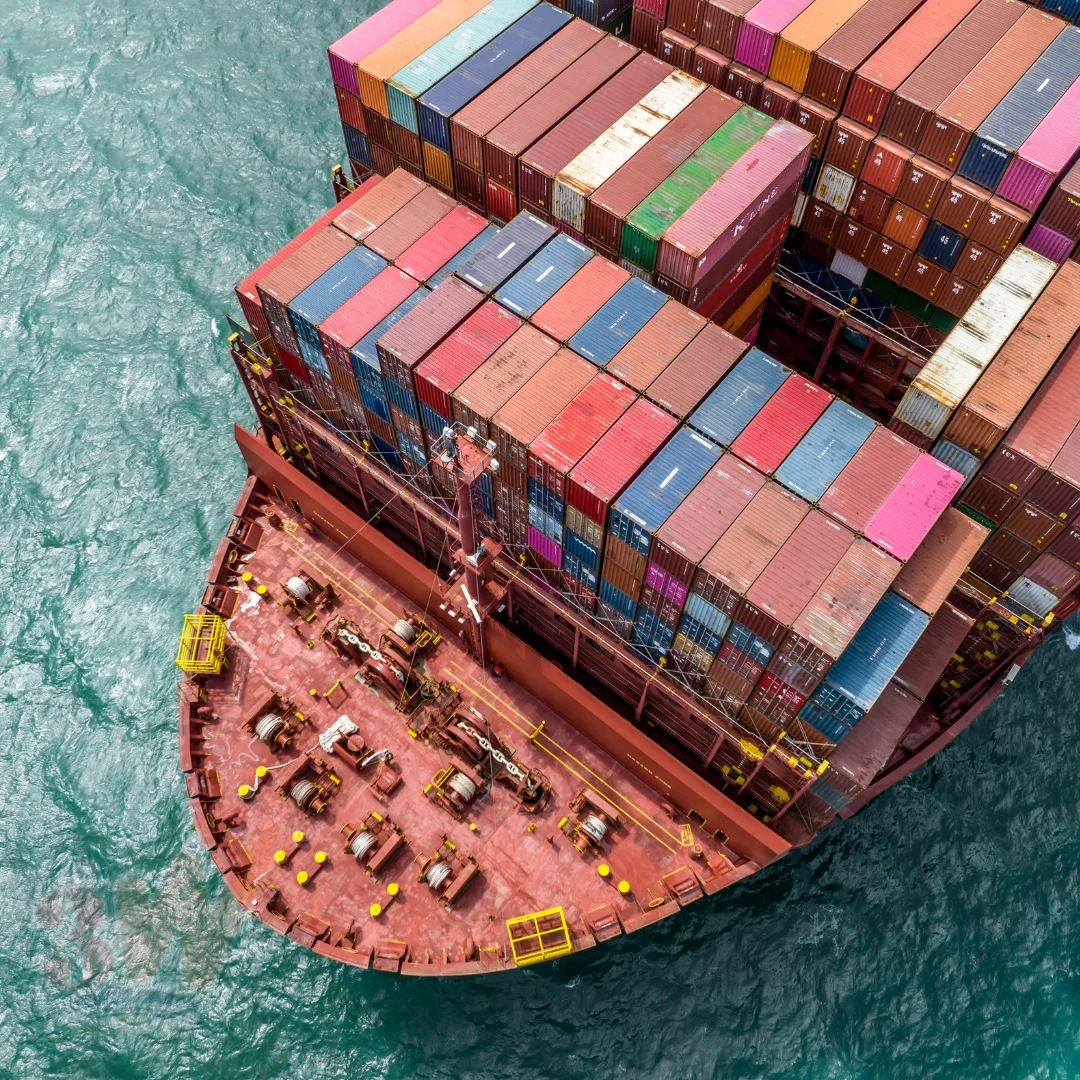
Historically, maritime trade has been practiced for thousands of years. The true revolution came in 1956 when Malcolm McLean invented the standardized shipping container, transforming sea freight into the modern, efficient, and infinitely scalable system it is today.
Why does sea freight remain the top choice for bulk cargo? The answer lies in cost per unit of cargo — no other mode of transport can compete with ocean shipping when it comes to moving tens of thousands of tons of goods from Asia to Europe or the Americas. A modern mega container vessel can carry over 24,000 TEUs (equivalent to 24,000 twenty-foot containers), generating economies of scale that no other transport mode can match.
Advantages and Disadvantages of Sea Freight
Advantages
- Low cost: This is the most significant competitive advantage. Ocean freight rates are only 1/4 to 1/6 of air freight for the same shipment, making it particularly cost-effective for low-value, high-volume goods such as machinery, raw materials, and consumer goods.
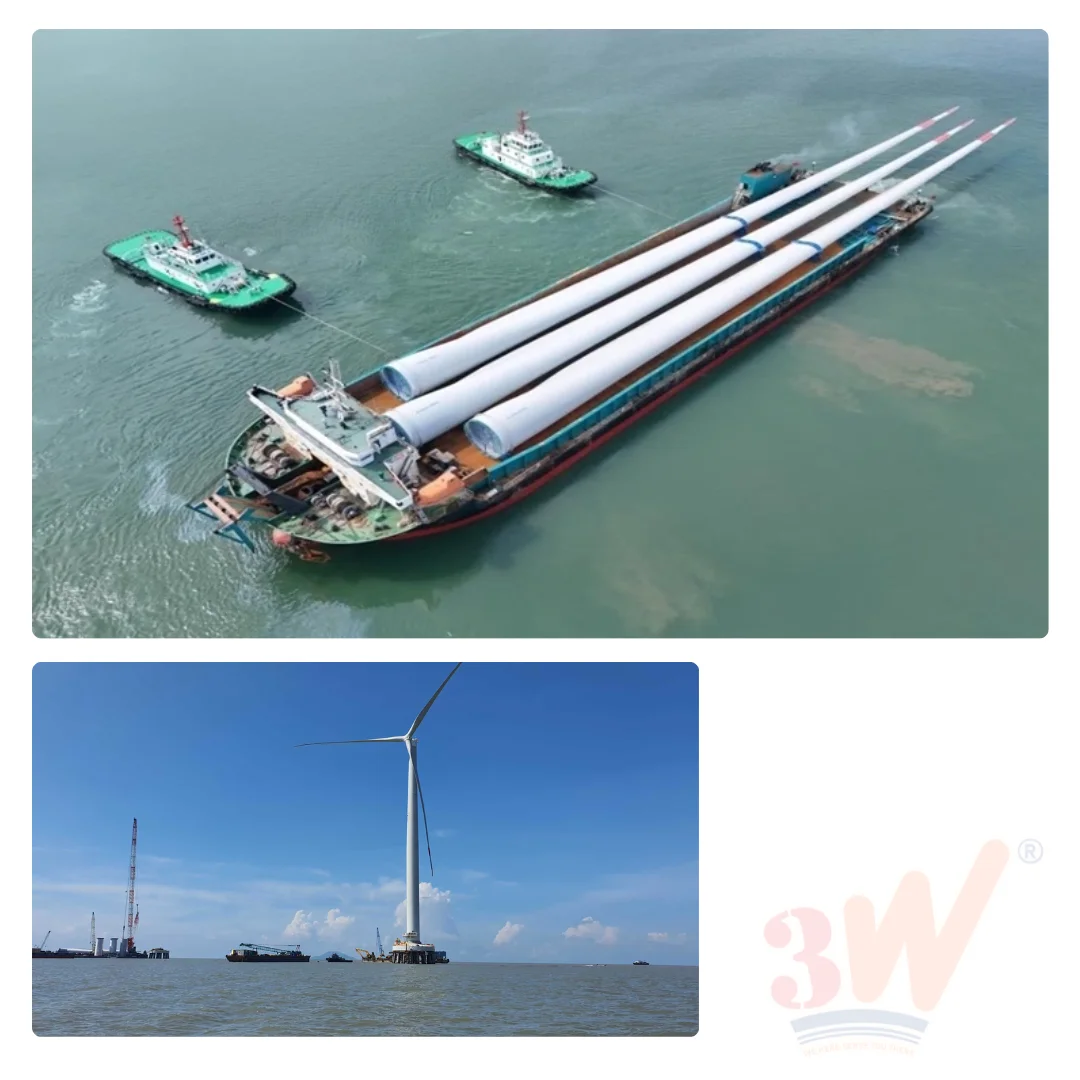
- Suitable for oversize and overweight cargo: Ocean vessels have virtually no practical limits on the size or weight of cargo. Large industrial equipment, wind turbine blades, and bridge structural components can all be transported by sea.
- Minimal cargo restrictions: Liquids, liquefied gases, hazardous chemicals, refrigerated goods, and out-of-gauge cargo — nearly all types of cargo have a viable sea freight solution.
- High cargo safety: Rates of damage and loss in sea freight are significantly lower than in road transport, thanks to standardized container packaging and rigorous port handling procedures.
- Environmentally friendly: Per ton-kilometer of cargo transported, ocean vessels emit approximately 20–30 times less CO₂ than air freight and 3–5 times less than road trucks.
Disadvantages
- Long transit time: The Vietnam–Europe corridor takes 25–35 days, while Vietnam–US East Coast takes 30–40 days. For time-sensitive shipments, this is a critical drawback.
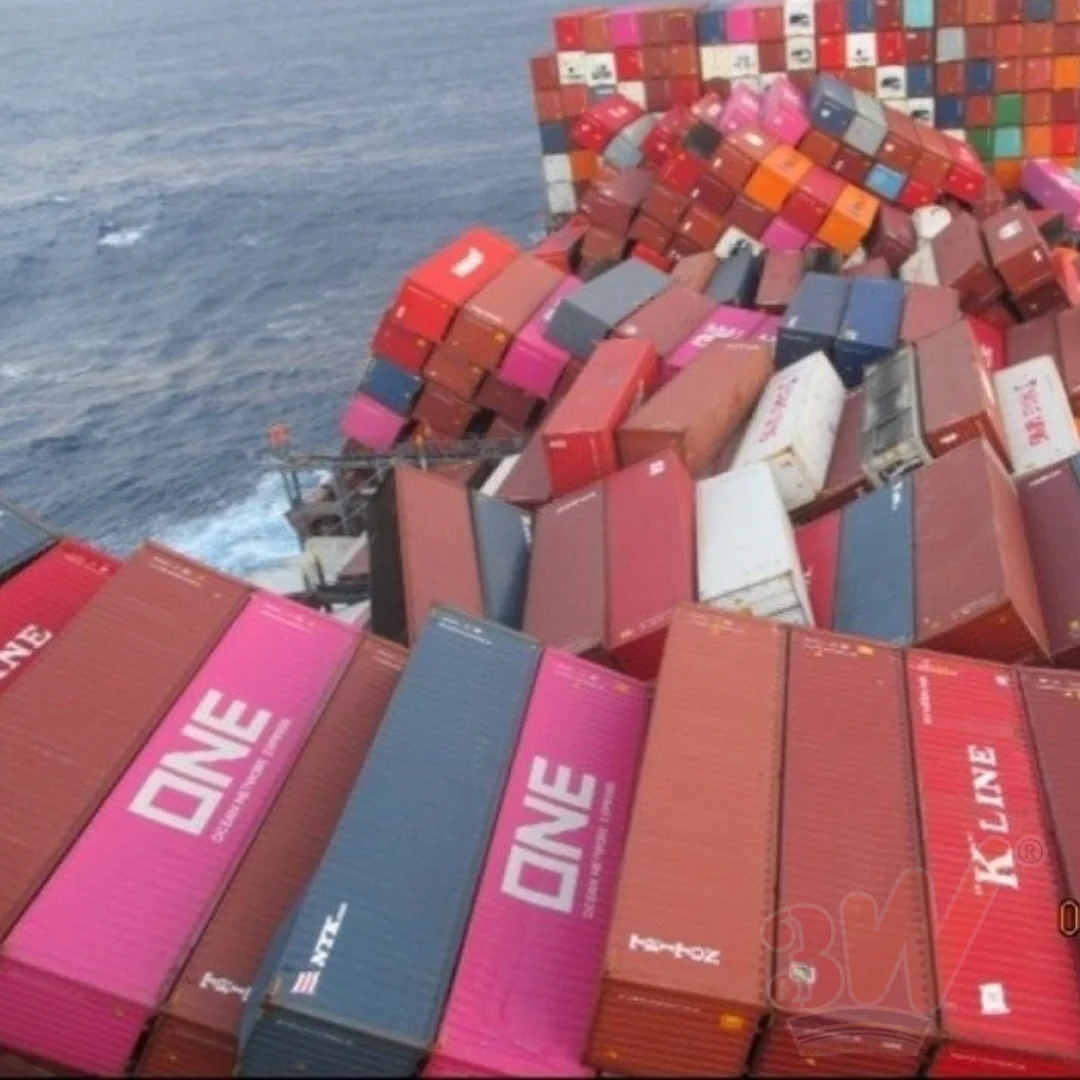
- Susceptibility to weather and natural conditions: Storms, heavy swells, and canal disruptions (such as the Suez Canal blockage in 2021) can cause delays of weeks or even months.
- More complex customs procedures compared to air freight: The volume of documentation, physical inspections at port, and customs clearance timelines are generally more demanding and require a certain level of logistics expertise.
- Risks from humidity and storage conditions: Extended voyages in high-humidity marine environments can damage cargo if packaging is not properly executed.
Common Types of Sea Freight Services
1. Full Container Load (FCL)
FCL, or Full Container Load, is a service where you hire an entire container (20-foot, 40-foot, or 40-foot High Cube) exclusively for your own cargo. Goods are stuffed at your warehouse (CY – Container Yard) and sealed before being delivered to the port.
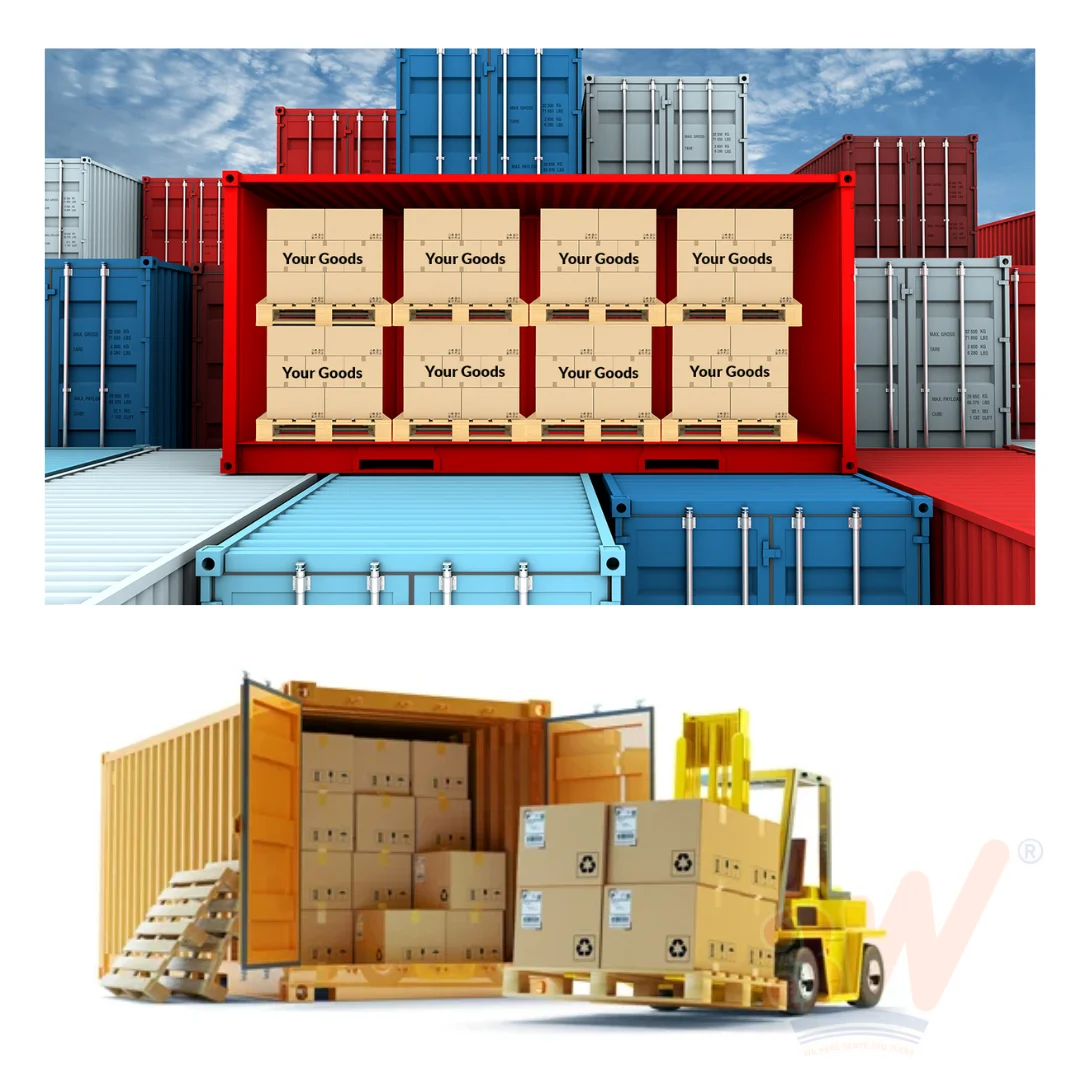
Choose FCL when: Your shipment is large enough to fill or nearly fill a container (typically from 15 CBM for a 20ft container), when cargo requires confidentiality, or when you need full control over the shipment schedule and transit timeline.
Advantages of FCL Shipping
- Security and cargo integrity: Goods are protected within a solid steel container shell, minimizing the risk of loss or damage caused by handling during loading and unloading operations.
- Faster transit time: Since the vessel does not need to stop at intermediate depots to offload LCL cargo, FCL transit times are typically 3–5 days shorter.
- Streamlined customs clearance: The clearance process is simpler as only a single set of shipping documents is required for the entire consignment.
- Reduced packaging costs: The container itself provides a robust layer of protection, reducing the need for additional pallets or wooden crating inside.
Disadvantages of FCL Shipping
- Fixed cost commitment: You pay for the full container regardless of whether it is fully loaded, resulting in wasted space if cargo volume is insufficient.
- Warehouse requirements: Both origin and destination facilities must have adequate space and specialized equipment — such as heavy forklifts and container handlers — to manage the container.
- Demurrage and detention risks: In the event of documentation issues or customs complications, demurrage (DEM) charges at the port and detention (DET) charges at the depot can accumulate rapidly and become costly.
| Criteria | FCL Shipping |
|---|---|
| Unit of Measurement | Charged per container unit (20ft, 40ft, 45ft) |
| Cargo Security | Very high (individually sealed with security seal) |
| Transit Time | Fastest among all sea freight service types |
2. Less than Container Load (LCL) Shipment
LCL (Less than Container Load) is a shipping method that consolidates multiple small shipments from different shippers into a single container. A freight forwarder plays the role of consolidating cargo at the port of origin and deconsolidating it at the port of destination.
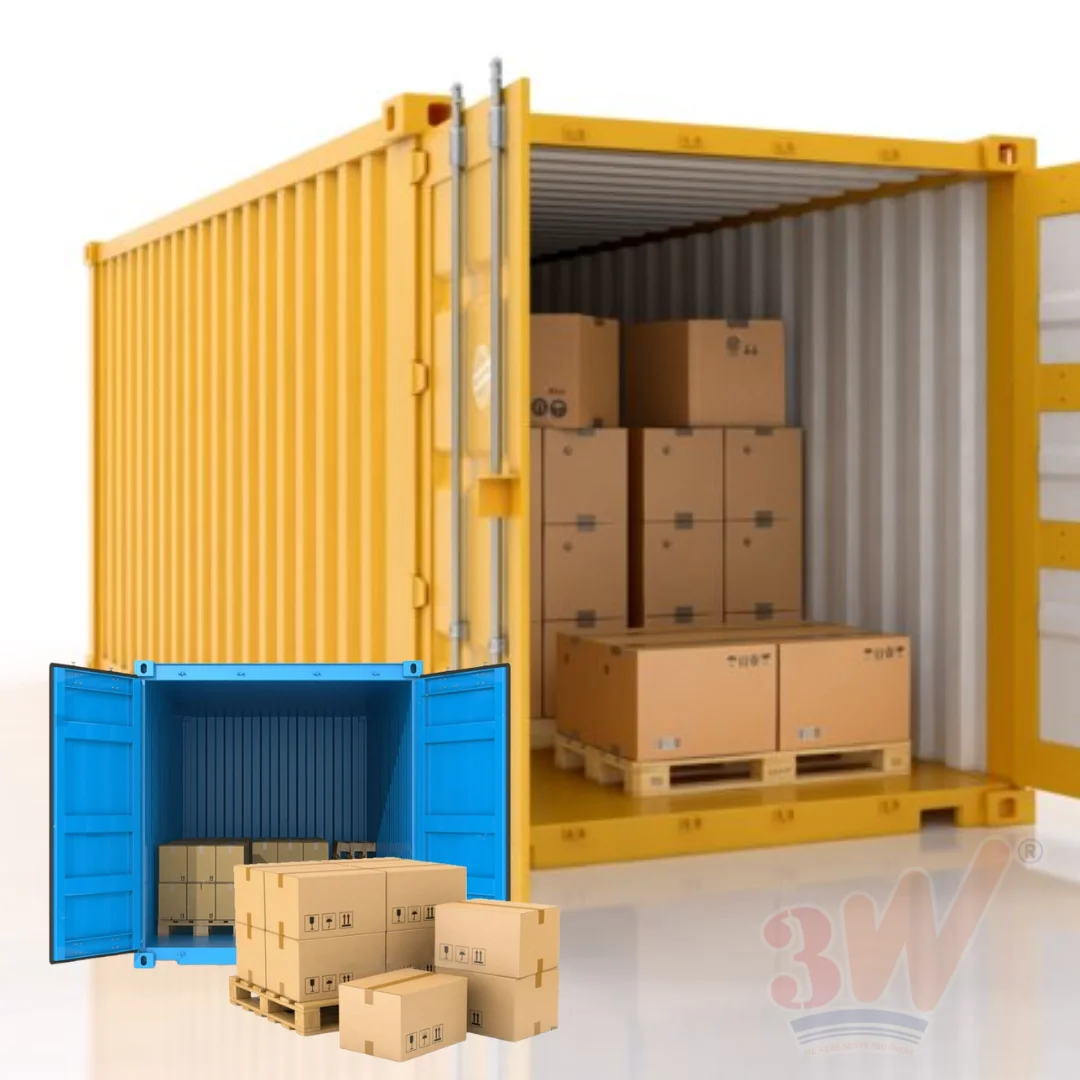
When to choose LCL: For small shipments that do not fill a full container; for new businesses or trial orders; or when you need flexibility in shipping frequency without waiting to accumulate a full container load.
Note: LCL freight is charged by CBM (cubic meter), and transit time is typically longer than FCL by several days due to the consolidation and deconsolidation processes.
Advantages of LCL Shipping
- Maximum cost savings: This is the greatest advantage. Small and medium-sized enterprises (SMEs) can participate in international trade at very low freight costs by sharing container space with other shippers.
- Flexible working capital management: Instead of waiting to accumulate a large volume of goods before shipping, you can ship more frequently in smaller quantities, helping to optimize cash flow.
- No warehousing pressure: You do not need large warehouse space to store a full container load, nor do you need specialized equipment to unload containers at your facility.
Disadvantages of LCL Shipping
- Longer transit time: The total transit time is longer than FCL due to the additional time required for consolidation and deconsolidation at the CFS (Container Freight Station).
- Higher risk of damage: Since your cargo is stuffed together with various other goods, there is a potential risk of odor contamination, physical impact, or misplacement during manual handling at the CFS.
- High local charges: Although ocean freight rates are lower, local charges at the CFS (handling fees, cargo management fees, etc.) are typically higher compared to FCL shipments.
| Criteria | LCL Shipment |
|---|---|
| Unit of Measurement | Charged by Cubic Meter (CBM) or Weight (KGS) |
| Delivery/Pickup Point | Container Freight Station (CFS) |
| Suitability | Small businesses, sample shipments, low-volume cargo |
3. Bulk Cargo Transport
Bulk cargo transport is a shipping method for extremely large volumes of goods, typically in dry or liquid form, loaded directly into the specialized holds of a vessel without the need for boxing, bagging, or containerization.
Bulk cargo is divided into two main categories:
- Dry Bulk: Includes agricultural commodities (corn, soybeans), minerals (coal, iron ore), and construction materials (sand, cement).
- Liquid Bulk: Includes crude oil, chemicals, petroleum products, and liquefied gases (LNG/LPG).
When Should You Choose Bulk Cargo Transport?
This method is typically the mandatory and most optimal choice in the following situations:
- Extremely large cargo volumes: When a shipment reaches thousands or tens of thousands of metric tons, containerization becomes impractical and cost-prohibitive.
- Low unit-value commodities: For goods such as coal, sand, or iron ore, using bulk carriers minimizes packaging and handling costs to maintain a competitive advantage.
- Dedicated port infrastructure: When the business has direct access to warehouses, conveyor systems, or silos at deep-water ports for direct cargo reception.
Advantages of Bulk Cargo Transport
- Lowest freight cost per unit: On a per-ton basis, bulk cargo transport offers the lowest rates among all ocean freight methods, thanks to the maximum utilization of the vessel’s carrying capacity.
- Specialized cargo handling speed: The use of grab cranes, conveyor belts, or high-capacity pumps enables extremely fast cargo discharge of massive volumes.
- Maximum space utilization: Without the dimensional constraints of containers, the entire hold capacity of the vessel is fully utilized for cargo stowage.
Disadvantages of Bulk Cargo Transport
- Risk of cargo loss and environmental impact: Cargo is prone to spillage, dust contamination, or damage from humidity and weather conditions during loading and unloading operations.
- Dependency on port infrastructure: Not all seaports have sufficient draft depth or specialized equipment (grab cranes, conveyor/pipeline systems) to accommodate heavy bulk carriers.
- Specialized storage requirements: Businesses must have large-scale warehousing systems or dedicated silos to receive massive cargo volumes in a single shipment.
Detailed Ocean Freight Process
Below is the standard procedure for an export shipment from Vietnam, presented step by step for easy tracking and control:
- Step 1: Negotiate and Sign the Sales Contract
Before taking any logistics action, clearly define the trade terms (Incoterms): FOB, CIF, EXW, or DAP? The Incoterms clause determines who is responsible for booking the vessel, purchasing insurance, and bearing risk at each stage. This is the most critical step as it directly affects the costs and legal liabilities of both parties. - Step 2: Booking (Space Reservation with Carrier or Freight Forwarder)
Once the contract is in place, you or your forwarder will contact the shipping line to make a booking. Required information includes: port of loading, port of discharge, cut-off date, container type, cargo description, and weight. The carrier will issue a Booking Confirmation. - Step 3: Cargo Stuffing and Inland Haulage to Port (CFS/CY)
For FCL, you collect an empty container for stuffing at your warehouse, then transport it to the Container Yard (CY) before the cut-off deadline. For LCL, you deliver cargo to the forwarder’s Container Freight Station (CFS) for consolidation. Strictly observe the cut-off deadline — missing it by one day means your cargo must wait for the next available sailing. - Step 4: Export Customs Clearance
Submit an electronic customs declaration via the VNACCS/VCIS system and provide mandatory documents (Commercial Invoice, Packing List, Certificate of Origin if preferential tariff rates apply). Once customs approves the declaration, the cargo is cleared and ready for export. This is the stage where inexperienced shippers most commonly make errors in cargo description and HS Code classification. - Step 5: Bill of Lading Issuance
After the vessel departs, the carrier issues the Bill of Lading (B/L) — the single most important document in ocean freight, serving simultaneously as a contract of carriage, cargo receipt, and document of title. All details on the B/L (commodity description, quantity, ports of loading/discharge, consignee information) must be thoroughly verified before acceptance, as amendments are costly and time-consuming. - Step 6: Ocean Transit and Arrival at Port of Destination
During this phase, track the vessel’s position via the carrier’s online tracking system. Approximately 3–5 days before the vessel arrives, the carrier or destination forwarder will issue an Arrival Notice so the consignee can prepare for import procedures. - Step 7: Import Customs Clearance and Cargo Pickup
The importer presents the original document set (particularly the original B/L if a Negotiable B/L was issued) at the destination port, completes import customs formalities, settles applicable charges (THC, D/O fee, container detention, etc.), and then takes delivery of the cargo to their warehouse.
Key Shipping Documents You Need to Know
A standard document set for international ocean freight typically includes the following:
- Bill of Lading (B/L): The most critical document — functioning simultaneously as a contract of carriage, cargo receipt, and document of title. There are three types: Original B/L, Telex Release, and Sea Waybill. The consignee must present the original B/L to take delivery (unless a Telex Release has been authorized). Download Bill of Lading Template
- Commercial Invoice: Confirms the transaction value and serves as the basis for customs duty assessment at the destination. Must clearly state: commodity description, unit price, quantity, Incoterms condition, and buyer/seller details.
- Packing List: Itemizes each package in the shipment — quantity, gross/net weight, dimensions, and number of packages. Customs authorities use this document to physically verify the cargo.
- Certificate of Origin (C/O): Certifies the country of origin of the goods. C/O Form D (ASEAN), Form E (ASEAN–China), Form AK (ASEAN–South Korea), and others enable importers to benefit from preferential tariff rates under applicable Free Trade Agreements (FTAs).
- Insurance Certificate: Mandatory under CIF terms, optional under FOB terms. Protects the cargo against loss or damage risks throughout the transport journey.
Additionally, depending on the commodity, the following may also be required: Phytosanitary Certificate, Veterinary Certificate, Quality Inspection Certificate, or MSDS (Material Safety Data Sheet) for hazardous goods.
How Ocean Freight Rates Are Calculated
Ocean freight charges are calculated based on two primary units:
- CBM (Cubic Meter): Used to measure the volume of cargo.
- KGS (Kilograms): The actual gross weight of the cargo.
CBM Calculation Formula:
CBM = Length (m) × Width (m) × Height (m)
Example: A package measuring 1.2m × 0.8m × 1.0m = 0.96 CBM
LCL Ocean Freight Rating Convention: 1 CBM is equivalent to 1,000 kg (W/M – Weight or Measurement). This means the forwarder compares the CBM volume and actual weight, then charges based on whichever figure yields the higher freight. If the cargo is dense (exceeding 1,000 kg/CBM), it is charged by weight; if it is light and voluminous, it is charged by CBM.
Common Surcharges:
- THC (Terminal Handling Charge): Container handling fee at the terminal — levied at both the port of origin and the port of destination.
- Seal Fee: Charge for applying a security seal to the container.
- AMS/ISF: Electronic customs filing fee, mandatory for all cargo destined for the United States.
- LSS (Low Sulphur Surcharge): Fuel surcharge for compliant low-sulphur bunker fuel in accordance with IMO 2020 regulations.
- BAF/CAF: Bunker Adjustment Factor and Currency Adjustment Factor surcharges.
- Detention/Demurrage: Penalty charges for exceeding the free time allowed for container use (detention) or cargo storage at the terminal (demurrage) — these “hidden” costs can be substantial when customs procedures are delayed.
Best Practices for Cost Optimization and Risk Mitigation
1. Choose the Right Incoterms to Control Costs
FOB (Free on Board): The seller’s responsibility ends once the cargo is loaded on board the vessel at the port of origin. The buyer arranges freight and insurance independently. This is the preferred option when the importer has a strong forwarder and wishes to maintain full control over shipping costs from the outset.
CIF (Cost, Insurance and Freight): The seller covers ocean freight and insurance to the port of destination. Suitable when the seller has a freight rate advantage through cargo consolidation. However, the buyer has less control over the quality of the transport service.
2. Invest in Proper Export Packaging
The marine environment — characterized by high humidity, continuous vibration, and extended transit times — demands packaging that meets international standards. Use heat-treated wooden pallets (ISPM 15 compliant) for shipments to the US, EU, and Australia; apply moisture-barrier wrapping; and secure cargo inside the container with lashing straps and dunnage materials. The cost of proper packaging is always lower than the cost of processing an insurance claim.
3. Partner with a Reputable Freight Forwarder
A freight forwarder is your logistics specialist — responsible for booking vessel space, preparing documentation, managing customs clearance, and resolving any issues that arise. A reliable forwarder is not only competitive on price but also maintains a strong agent network at the port of destination, has proven experience handling your specific cargo type, and can respond swiftly when problems occur.
4. Monitor Sailing Schedules and Book Early
During peak seasons (September–November ahead of Christmas, and January–February ahead of Lunar New Year), freight rates can double and vessel space becomes scarce. Planning ahead and booking 2–4 weeks in advance can result in significant cost savings.
5. Purchase Cargo Insurance for Every Shipment
Many businesses skip insurance to save a few hundred dollars, but a single cargo loss incident can cause tens of thousands of dollars in damage. Standard marine cargo insurance premiums are typically only 0.1–0.3% of the cargo value — a worthwhile investment for any shipment.
Conclusion
Ocean freight is more than just a mode of transport — it is the backbone of global trade, and a thorough understanding of it represents a genuine competitive advantage for any import-export business.
In summary: ocean freight excels in cost efficiency and the ability to handle large-volume shipments, but it demands longer lead times for planning, precise documentation, and the support of a trusted freight forwarder. The 7-step process from contract signing to cargo pickup, combined with a complete document set and the right Incoterms strategy, will help you avoid the majority of unexpected risks and additional costs.
In addition to ocean freight, there are many other transport modes available to move your cargo to destinations worldwide.
If you are preparing for your first shipment or looking to optimize costs across your current supply chain, start by clearly defining your cargo type, target market, and shipping frequency — this will allow you to select the right shipment mode (FCL/LCL), Incoterms condition, and most suitable freight forwarder for your needs.
📞 Need a consultation or ocean freight rate quotation? Contact us today to receive a free quote and tailored logistics solutions for your business.


