
Blog
China is one of the largest markets for Vietnamese agricultural products. However, before exporting smoothly, businesses must prepare the necessary procedures for exporting agricultural products to China in accordance with regulations. To ensure a fast and efficient process, enterprises should choose reputable logistics providers that offer documentation support to save time and minimize risks during export. So what are these procedures? Let’s explore them in the article below!
1. Overview of Vietnam’s Agricultural Export Situation to China
As known, Vietnam is one of the countries with a strong agricultural sector. Over more than 30 years of economic reform, Vietnam has effectively leveraged its natural advantages by exporting agricultural products such as rice, potatoes, corn, fruits, and more to international markets. As a result, Vietnam’s agricultural GDP has shown significant growth, reaching an average of 3.76% in 2018.
According to statistics, agricultural exports from Vietnam to China account for up to 27% of total export turnover. Key products include coffee, fruits and vegetables, cassava, and rice. This is largely due to the adoption of modern farming techniques, which improve product quality and meet consumer demand for health and safety.

2. What Are the Export Methods for Agricultural Products to China?
There are two main methods for transporting goods from Vietnam to China, as follows:
2.1 Informal (Border Trade) Export
Informal export is commonly chosen by traders due to its simple procedures, minimal documentation requirements, and low transportation costs. However, exporters are still subject to product quality inspections, plant and animal quarantine checks, and must pay applicable taxes (though generally lower and less complex than formal export procedures).
Despite its advantages, informal export has limitations such as low stability due to dependence on changing government policies. Additionally, if goods fail inspection at border gates, they cannot be returned, and storage costs for delayed shipments can be high. This may result in price pressure from buyers or even total loss if customs authorities confiscate the goods.
2.2 Formal (Official) Export
Formal export is used for large-volume shipments across borders. Goods must pass strict inspections regarding food safety, origin, quality, and compliance with regulatory requirements. Exporters must also complete all procedures and pay full taxes, which can increase the final product cost.
Although the procedures are more complex, formal export provides legal protection in case of risks, as all transactions are governed by contracts in accordance with international law. In addition, goods exported via official channels are better preserved, ensuring intact packaging, no damage, and minimal loss. This method is especially suitable for perishable goods such as fruits and vegetables, helping maintain freshness and quality.
3. Procedures for Exporting Agricultural Products to China
Below are the details regarding conditions, taxes, and registration scope for exporting agricultural products to China that businesses should understand:
3.1 Conditions for Participating in Agricultural Export Activities
According to Article 3 of Decree No. 187/2013/ND-CP dated November 20, 2013, except for goods on the prohibited or temporarily suspended export/import lists, traders (organizations and individuals) are allowed to export and import goods regardless of their registered business lines.
Pursuant to Clause 1, Article 6 of the Commercial Law No. 36/2005/QH11: “Traders include legally established economic organizations and individuals conducting commercial activities independently, regularly, and with business registration.”
According to Decree No. 43/2010/ND-CP and Circular No. 01/2013/TT-BKHDT, individuals may participate in import-export activities at customs authorities if they have a valid tax identification number and its status is active.
In summary, before exporting, businesses must register their business in accordance with Circular No. 01/2013/TT-BKHDT and verify the status of their tax code via the General Department of Taxation.
3.2 Export Duties on Agricultural Products from Vietnam to China
Exporters must determine the appropriate HS (Harmonized System) code based on the international commodity classification system issued by the World Customs Organization in order to identify applicable tax rates. Vietnam currently applies 8-digit HS codes, while some countries use 10- or 12-digit codes.
According to the Export Tariff Schedule issued under Circular No. 164/2013/TT-BTC dated November 15, 2013:
– Goods under HS code group 08.01 are subject to 0% export tax.
– Goods under groups 09.04, 09.06, 09.10, 07.03, 07.12, and 20.08 are not specifically listed in the Export Tariff Schedule. According to Clause 2, Article 2 of Circular No. 164/2013/TT-BTC, exporters must still declare the corresponding 8-digit HS code based on the Preferential Import Tariff Schedule and apply a 0% export tax rate.
3.3 Scope of Registration for Exporting Agricultural Products to China
3.3.1 Product Categories
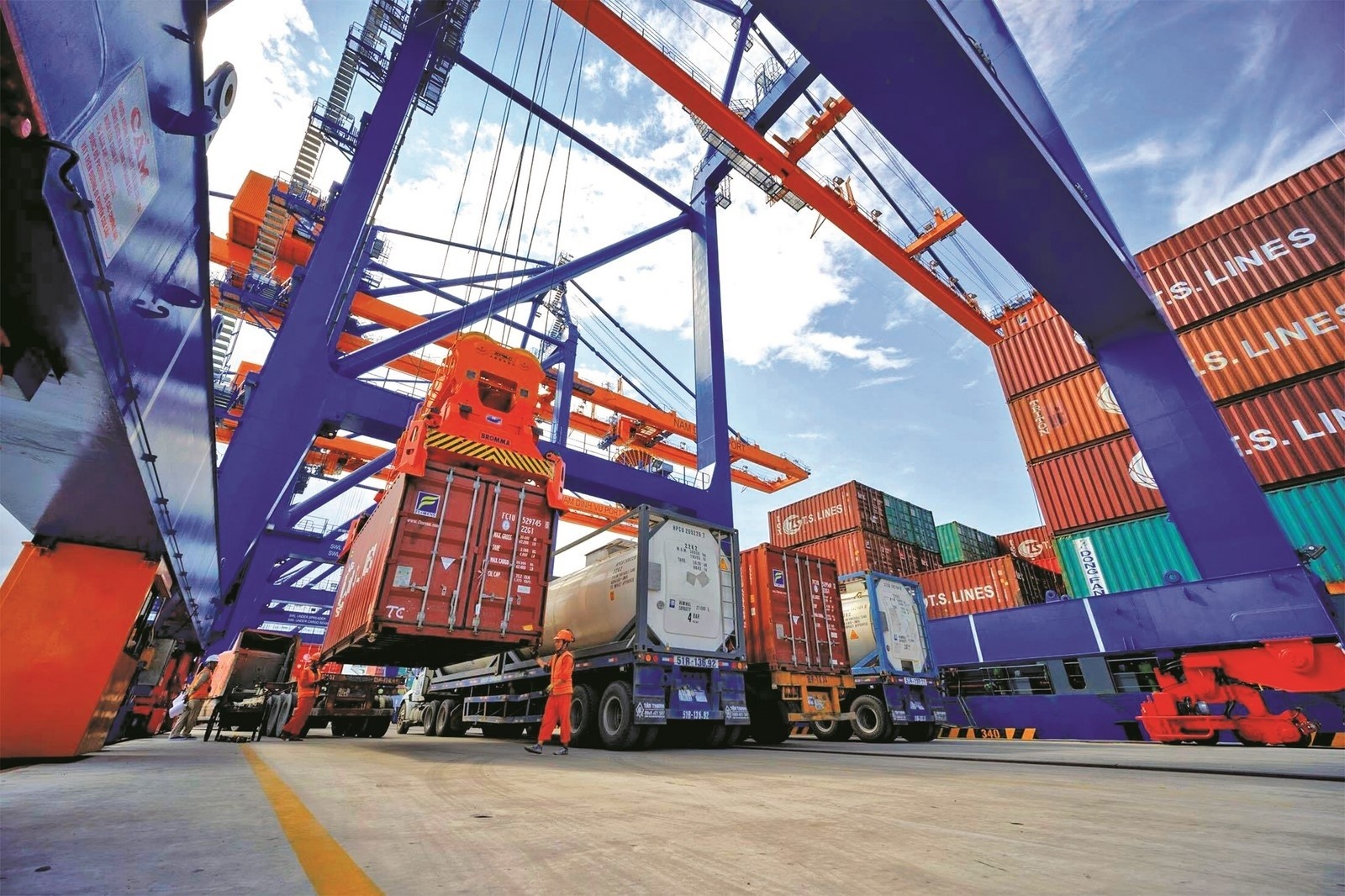
According to Article 7 – Decree 248 of the General Administration of Customs of China (GACC), plant-based food products must be registered through the Plant Protection Department. These include grains for consumption, grain-based products, fresh and processed vegetables, dried beans, natural spices, nuts and seeds, dried fruits, and unroasted coffee and cocoa beans.
3.3.2 Business Types
In addition to product registration, manufacturing enterprises must comply with Decree 248 requirements, including registration for cold storage facilities (DS), processing facilities (CS), and standard warehouses. If a business does not register under Decree 248 but still intends to export to China, it must submit information via the website http://ire.customs.gov.cn/. After registration, the enterprise will receive a serial number to track the application process. The GACC will publish registered enterprises on its website, including full company name, country, region, and business scope for reference.
4. Transportation Process from Vietnam to China
Step 1: Check whether the agricultural products are permitted for import into China.
Not all agricultural products are allowed for import into China. Therefore, before exporting, businesses should verify eligibility through the following methods:
– Method 1: Contact the Ministry of Industry and Trade of Vietnam directly to confirm whether the agricultural product is eligible for export to China.
– Method 2: Work directly with the importer to confirm whether the importing country is able to complete import procedures for that specific type of fruit from Vietnam.
Step 2: Sign the sales contract and conduct inspection
Before exporting, both parties (buyer and seller) must sign a contract with full terms regarding quantity, product quality, transportation method, payment terms, etc. Accordingly, agricultural products must meet the following requirements:
– Food safety and quarantine compliance.
– Suitable for irradiation treatment.
– Harvested from certified growing areas.
– Properly packaged according to standards.
– Quality inspection and pesticide residue control.
For fresh fruits, special attention must be paid to harvesting time, loading time, and transit time to avoid affecting product quality.
Step 3: Prepare export documentation for agricultural products to China
To export agricultural products to China, exporters must prepare the following documents:
– Commercial invoice.
– Packing list of exported goods.
– Phytosanitary certificate confirming compliance.
– Export permit/certificate.
Step 4: Packaging and transportation arrangement
Export packaging must comply with the following general requirements:
– Packaging materials and dimensions must be suitable for the goods.
– Containers must be disinfected prior to packing and optimized for vehicle space.
– Goods must be securely packed with cushioning materials (e.g., bubble wrap, paper) to prevent movement and ensure shock resistance during transit.
– Fragile or liquid goods must have appropriate warning labels.
– Full consignee and shipper information (address, contact details) must be clearly indicated to avoid loss.
>> See more: Standards for exporting agricultural products to Europe
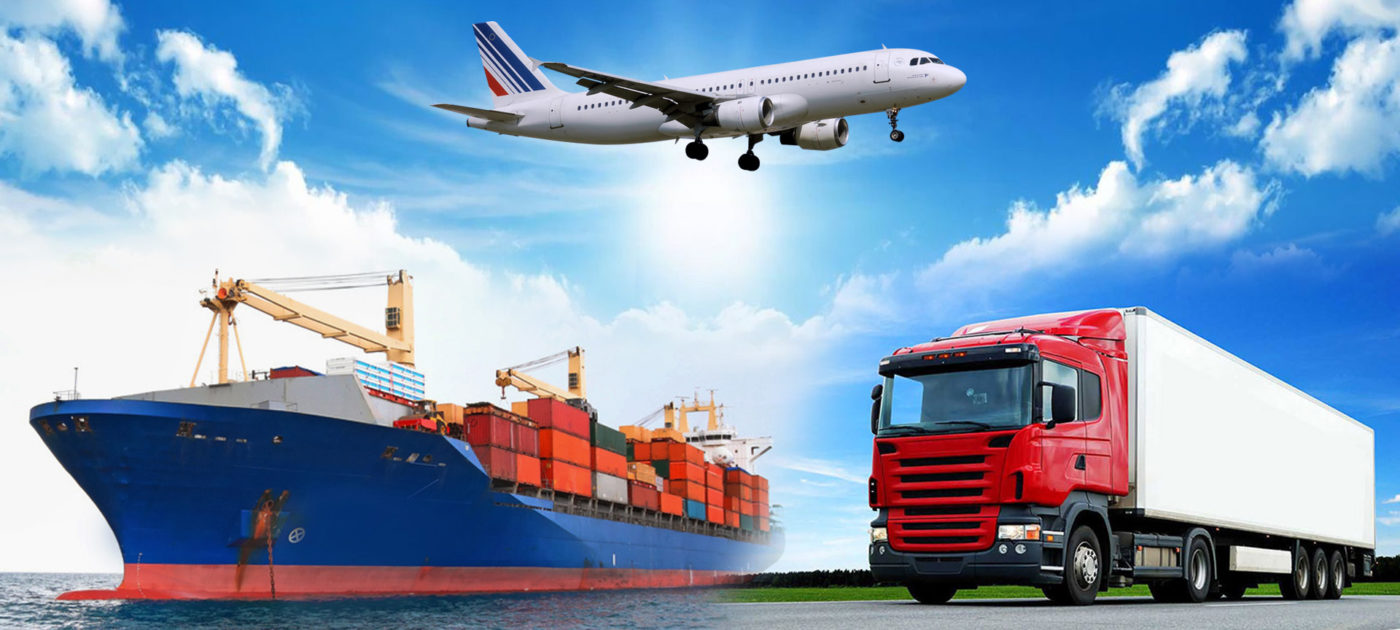
After proper packaging, exporters should select the most suitable transportation mode. Currently, four common modes are available: sea freight, road transport, rail transport, and air freight. Depending on business needs, enterprises can choose the most appropriate option.
Step 5: Customs declaration
For customs clearance, the following documents are required:
– Invoice and packing list.
– Phytosanitary certificate.
– Export certificate (if applicable).
– Customs declaration form.
– Shipping mark.
– Commercial contract (if applicable).
– Other relevant documents depending on the type of agricultural product.
Step 6: Warehousing, labeling, and weighing procedures
Goods must be clearly labeled with full consignee information. If transported by air, cargo must be weighed. According to aviation regulations, shipments must comply with weight limits and be properly packed.
Step 7: Shipment and submission of soft-copy documents
Soft copies of required documents include: Air Waybill (AWB, if applicable), Invoice, Packing List, Phytosanitary Certificate, Certificate of Origin (C/O), Customs Declaration, Shipping Mark, Contract, and cargo images.
Step 8: Track the shipment
Both buyer and seller should monitor shipment status via the logistics provider’s tracking system to stay updated on any changes.
Step 9: Payment settlement
Before receiving goods and making payment, the consignee should carefully inspect the shipment. Any issues such as damage, shortage, or substandard quality must be reported immediately. It is also important to carefully draft and review contract terms to protect both parties’ interests.
5. Important Notes When Exporting to China
To ensure a smooth export process, businesses should pay attention to the following:
– Thoroughly verify the importer’s information, especially when dealing with partners found online. Cross-border fraud cases are increasingly common, so it is essential to assess partner credibility before entering agreements.
– If initial contact with Chinese partners is made through forums or trade events, verify their business license issued by the local Administration for Market Regulation. Only notarized copies should be trusted; documents labeled “for reference only” should not be relied upon.
– Ensure all transactions comply with international trade practices and are governed by formal contracts to provide legal protection in case of disputes.
– Choose reputable and experienced logistics providers to ensure a smoother export process and minimize unexpected issues. Moreover, selecting reliable carriers helps prevent cargo loss and reduces concerns related to documentation, especially for traders with limited import-export experience.
Accordingly, 3W Logistics is a trusted service provider for shipping goods from Vietnam to China, operated by a team of experienced professionals in the logistics industry. The company is ready to support businesses in preparing all necessary procedures for exporting agricultural products to China, helping to accelerate the shipping process. In addition, 3W Logistics regularly updates shipment status, allowing businesses to monitor progress and promptly handle any potential risks. Thanks to strong partnerships with major shipping lines and transport companies, 3W offers stable and competitive freight rates. Its global agent network is also widely established, ensuring efficient customer support.
At 3W Logistics, tailored transportation solutions are provided depending on the type of goods, including sea freight, air freight, and cross-border trucking. Exportable products are diverse, ranging from agro-fishery products (coffee, tea, fish, shrimp, etc.) to processed food items (noodles, vermicelli, confectionery) and other commodities. In addition, service quality is a key strength—goods are carefully handled and preserved to ensure they arrive intact and undamaged. Beyond transportation from Vietnam to China, 3W Logistics also offers additional services to facilitate export operations, such as cargo insurance, phytosanitary certification, full-package customs brokerage consulting, fumigation, and wooden packaging before shipment.
The above information outlines the procedures for exporting agricultural products to China and the logistics process for shipping goods from Vietnam to China in a safe and efficient manner. Hopefully, this article provides useful insights to help you prepare for your upcoming export activities. If you have any questions regarding procedures or transportation, you can contact HERE for further assistance.
>> See more: Agricultural export procedures


