

What Is Export Shipping? Process, Benefits & Complete Guide
What is export shipping? It is one of the most fundamental concepts every business should understand before entering international trade. Whether you are exporting goods for the first time or expanding into global markets, understanding how export shipping works is essential for ensuring smooth customs clearance, cost efficiency, and on-time delivery.
This guide explains the meaning of export shipping, how it differs from import activities, its role in international logistics, and the responsibilities of an exporter throughout the export process.
1. What Is Export Shipping?
1.1 What Is Export Shipping?
Export shipping refers to the process of selling and transporting goods or services from one country to another for commercial purposes. In international trade, export shipping covers both the commercial transaction and the logistics activities required to move products across borders.
From a legal perspective in Vietnam, Article 28 of the Commercial Law No. 36/2005/QH11 defines export as the movement of goods out of the Vietnamese customs territory or into designated special customs zones in accordance with applicable regulations. In practice, export shipping is only considered complete after the shipment has cleared export customs procedures and officially departed the country’s customs territory.
Businesses involved in export shipping must comply with the Commercial Law, the Law on Foreign Trade Management, customs regulations, and other relevant legislation issued by Vietnamese authorities.
Example: A furniture manufacturer in Binh Duong signs a contract to sell 20 containers of wooden furniture to a customer in the United States. The company acts as the exporter, while the entire process of preparing documents, customs clearance, transportation, and international delivery is considered export shipping.
1.2 What Does Export Shipping Mean in Logistics?
In logistics, export shipping refers to the complete operational process of moving export cargo from the manufacturer’s warehouse to the overseas destination. Unlike the commercial side of exporting—which focuses on sales contracts and pricing—export shipping concentrates on the physical movement of goods throughout the supply chain.
The export shipping process typically includes inland transportation to the port or airport, export customs declaration through the VNACCS system, cargo handling, international transportation by sea, air, rail, or road, and shipment monitoring until the cargo reaches the destination port.
Freight forwarders and logistics providers play an essential role by coordinating transportation, customs brokerage, documentation, and communication among shippers, carriers, customs authorities, and overseas partners. Their expertise helps exporters reduce delays, optimize transportation costs, and ensure compliance with international trade regulations.
Note: For ocean export shipping, exporters should carefully monitor container free time to avoid additional Demurrage (DEM) and Detention (DET) charges, which are among the most common unexpected logistics costs in international shipping.
2. Why Is Export Shipping Important?
Export shipping plays a critical role in international trade by connecting manufacturers with overseas markets. An efficient export logistics system enables businesses to expand their customer base, generate foreign currency revenue, and strengthen their competitiveness in the global marketplace.
For many exporters, international shipping is more than simply transporting goods. It directly affects delivery schedules, customer satisfaction, inventory planning, transportation costs, and overall supply chain performance. A well-managed export shipping process helps businesses minimize operational risks while improving reliability and service quality.
Export shipping also supports participation in global free trade agreements (FTAs), including CPTPP, EVFTA, UKVFTA, and RCEP. These agreements allow qualified products to benefit from preferential import tariffs in destination countries when exporters provide the appropriate Certificate of Origin (C/O).
To qualify for tariff preferences, exported goods must satisfy the applicable rules of origin established under each agreement. Depending on the FTA, exporters may need to demonstrate compliance with requirements such as Regional Value Content (RVC), Change in Tariff Classification (CTC, CTH, CTSH), Wholly Obtained (WO), or Produced Entirely (PE). Understanding these requirements is an essential part of successful export shipping and international trade compliance.
3. Types of Export Shipping Services
Choosing the right export shipping method is just as important as understanding the export process itself. The appropriate transportation mode depends on factors such as cargo volume, delivery schedule, destination, and shipping costs. Today, the three most common export shipping solutions are ocean freight, air freight, and cross-border road transportation.
3.1 Sea Freight Shipping
Sea freight shipping is the most widely used method for international export shipping, particularly for large-volume cargo and containerized shipments. Compared with air transportation, sea freight offers significantly lower shipping costs, making it the preferred option for global trade.
Ocean freight is suitable for Full Container Load (FCL), Less than Container Load (LCL), bulk cargo, oversized cargo, and project shipments. It provides exporters with access to extensive international shipping routes while maintaining cost efficiency for long-distance transportation.
Because ocean transit times are generally longer than other transport modes, exporters should carefully plan production schedules, booking timelines, and customs clearance to avoid unnecessary storage charges, container demurrage, or detention fees at ports.
3.2 Air Freight Shipping
Air freight shipping is ideal for high-value, time-sensitive, or temperature-controlled cargo. Industries such as electronics, pharmaceuticals, fresh food, medical supplies, and fashion frequently rely on air transportation to meet strict delivery deadlines.
Although air freight involves higher transportation costs than ocean freight, it offers significantly shorter transit times, reduced inventory holding costs, and greater shipment security. Businesses often choose air export shipping for urgent orders, product launches, or seasonal demand.
3.3 Cross-Border Road Transportation
Cross-border road transportation plays an essential role in export shipping by connecting factories, warehouses, ports, airports, and border checkpoints. It also supports regional trade between neighboring countries through international trucking services.
Efficient inland transportation ensures that export cargo reaches ports and terminals on schedule, reducing the risk of missed vessel departures or flight cut-off times. A professional logistics provider coordinates vehicle scheduling, route planning, and cargo handling to maintain a smooth export supply chain.
4. Advantages and Disadvantages of Export Shipping
Export shipping creates valuable opportunities for businesses to expand internationally, increase revenue, and improve production capabilities. However, exporting also involves operational risks, compliance requirements, and additional logistics costs that companies should carefully evaluate before entering global markets.
| Category | Advantages | Disadvantages |
|---|---|---|
| Market Expansion | Enables businesses to access international markets, diversify their customer base, and increase sales beyond domestic demand. | Export performance depends on overseas market conditions, trade policies, and global economic fluctuations. |
| Foreign Currency Revenue | Generates foreign currency income, helping improve cash flow and supporting national trade growth. | Exchange rate volatility may reduce actual profit margins after currency conversion. |
| Free Trade Agreement Benefits | Eligible products may receive reduced or zero import duties through applicable Free Trade Agreements (FTAs). | Exporters must satisfy strict rules of origin and prepare accurate documentation, including the appropriate Certificate of Origin (C/O). |
| Business Competitiveness | Encourages manufacturers to improve product quality, production standards, and operational efficiency to compete globally. | Meeting international certifications, testing requirements, and quality standards often requires significant investment. |
| Logistics Operations | Provides multiple transportation options, including ocean freight, air freight, and road transport, allowing businesses to optimize shipping strategies. | International transportation involves additional freight costs, customs procedures, shipment delays, cargo damage risks, and potential demurrage or detention charges. |
5. Export Shipping vs. Import Shipping
Export shipping and import shipping represent two opposite directions within international trade. While export shipping focuses on moving goods from the domestic market to overseas buyers, import shipping involves bringing products from foreign suppliers into the local market. Understanding the distinction helps businesses manage customs compliance, documentation, taxation, and logistics responsibilities more effectively.
| Criteria | Export Shipping | Import Shipping |
|---|---|---|
| Direction of Cargo Movement | From the domestic market to overseas destinations. | From foreign countries into the domestic market. |
| Responsible Party | Exporter (Seller) | Importer (Buyer) |
| Main Customs Documents | Export customs declaration, Commercial Invoice, Packing List, Certificate of Origin (when applicable). | Import customs declaration, Commercial Invoice, Bill of Lading/Air Waybill, Certificate of Origin provided by the exporter. |
| Trade Impact | Generates foreign currency earnings and contributes to export growth. | Requires payment in foreign currency for imported goods. |
| Taxes | Export duty applies only to certain regulated products. | Import duty, import VAT, and other applicable customs taxes. |
6. What Is an Exporter?
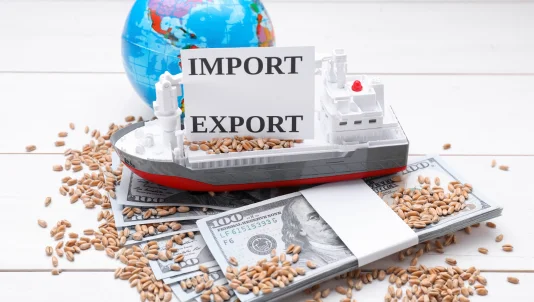
An exporter is an individual or business entity that sells goods to overseas customers and is legally responsible for exporting those goods from the country of origin. In the context of export shipping, the exporter is typically listed on the export customs declaration and assumes responsibility for the shipment’s legality, origin, documentation, and compliance with applicable trade regulations.
An exporter may be a manufacturer producing goods for international markets or a trading company purchasing products domestically for resale abroad. Regardless of the business model, the exporter plays a central role in coordinating commercial transactions, customs procedures, and logistics activities throughout the export process.
In certain Free Trade Agreements (FTAs), qualified businesses may obtain Approved Exporter status. This authorization allows exporters to issue origin declarations directly on commercial invoices instead of applying for a Certificate of Origin (C/O) for each shipment, helping simplify export documentation and accelerate customs clearance.
6.1 Key Responsibilities of an Exporter
Successful export shipping requires exporters to manage both commercial and regulatory obligations. Their primary responsibilities include:
- Preparing export documentation: including the sales contract, commercial invoice, packing list, export customs declaration, and any other documents required by customs authorities or the importing country.
- Obtaining the appropriate Certificate of Origin (C/O): selecting the correct C/O form based on the applicable Free Trade Agreement to qualify for preferential tariff treatment.
- Ensuring compliance with rules of origin: verifying that exported goods satisfy origin criteria such as Regional Value Content (RVC), Change in Tariff Classification (CTC), Wholly Obtained (WO), or Produced Entirely (PE), depending on the relevant trade agreement.
- Coordinating with logistics providers: working closely with freight forwarders, customs brokers, shipping lines, airlines, and transportation partners to ensure cargo is delivered on schedule and in compliance with international shipping requirements.
- Providing accurate shipping information: including cargo specifications, packaging details, Incoterms®, destination port, and delivery instructions to support efficient transportation planning.
6.2 The Role of an Exporter in Export Shipping
Within the export logistics chain, the exporter serves as the starting point for every shipment. All transportation activities begin with the information provided by the exporter, including product specifications, shipment volume, packaging requirements, destination, and agreed delivery terms.
Based on this information, freight forwarders develop the most suitable transportation solution, select shipping lines or airlines, arrange inland transportation, complete customs clearance procedures, and monitor cargo movement until it reaches the final destination.
Close cooperation between exporters and logistics providers is essential for reducing transportation costs, avoiding customs delays, minimizing documentation errors, and ensuring smooth international trade operations. An experienced logistics partner can also help exporters optimize shipping schedules, improve supply chain visibility, and respond quickly to unexpected disruptions during transit.
Frequently Asked Questions About Export Shipping
What is export shipping?
Export shipping is the process of transporting goods from one country to another for commercial purposes. It includes export documentation, customs clearance, cargo handling, international transportation, and delivery to the overseas destination.
What is the difference between export shipping and importing?
Export shipping involves sending goods from the domestic market to foreign buyers, while importing refers to bringing goods from overseas suppliers into the domestic market. Each process follows different customs procedures, documentation requirements, and tax regulations.
Who is responsible for export shipping?
The exporter is primarily responsible for preparing export documents, ensuring compliance with customs regulations, and coordinating with freight forwarders or logistics providers to arrange international transportation.
What documents are required for export shipping?
The required documents vary depending on the destination country and product type, but commonly include:
- Commercial Invoice
- Packing List
- Export Customs Declaration
- Bill of Lading (B/L) or Air Waybill (AWB)
- Certificate of Origin (C/O), when applicable
- Other permits or inspection certificates required by the importing country
Why should businesses work with a freight forwarder for export shipping?
Professional freight forwarders help businesses manage transportation planning, customs clearance, documentation, carrier booking, cargo tracking, and risk management. Their expertise enables exporters to reduce shipping costs, avoid delays, and ensure compliance with international trade regulations.
Conclusion
Understanding export shipping is essential for any business engaged in international trade. From preparing export documentation and complying with customs regulations to selecting the right transportation method and coordinating with logistics providers, every stage of the export process directly affects delivery performance, customer satisfaction, and business profitability.
Whether you are a first-time exporter or an established global supplier, partnering with an experienced freight forwarder can simplify complex shipping procedures, improve supply chain efficiency, and help your business compete more effectively in international markets.
The exporter is also responsible for resolving issues that may arise during the export process, such as incorrect HS code classification, incomplete documentation, or late customs declarations. These errors can result in cargo being held at the port, additional storage or demurrage charges, and delays that may affect the agreed delivery schedule with overseas buyers.
7. Common Types of Export Shipping
Businesses can choose different export shipping models depending on their operational capabilities, legal status, and level of involvement in international trade. The three most common export methods are direct export, indirect export, and domestic export (deemed export).
| Export Method | Description | Best Suited For |
|---|---|---|
| Direct Export | The manufacturer or seller signs the sales contract directly with the overseas buyer, appears as the exporter on the customs declaration, and manages the entire export shipping process. | Established manufacturers and exporters with import-export licenses, experienced export teams, and the ability to manage international contracts, customs procedures, and shipping documentation. |
| Indirect Export | The manufacturer sells products to a trading company or an export management firm, which acts as the exporter of record and handles all export procedures. | Small manufacturers, household businesses, startups, or companies with limited experience in international trade and export documentation. |
| Domestic Export (Deemed Export) | Goods are delivered to another company within Vietnam under the instruction of a foreign buyer. Although the products do not physically leave Vietnam, the transaction is treated as an export under customs regulations. | Manufacturers producing goods for foreign companies that designate delivery to export processing enterprises (EPEs) or other domestic businesses. This method is commonly used in the textile, electronics, and manufacturing industries. |
Selecting the appropriate export method not only affects documentation requirements but also determines which party is legally responsible before customs authorities if issues arise regarding HS codes, customs declarations, or rules of origin.
For indirect export shipping, businesses usually work through one of the following intermediaries:
- Export Agent: Represents the exporter in overseas markets, promotes products, negotiates with buyers, and receives commissions based on sales.
- Export Management Company (EMC): Provides comprehensive export management services, including documentation, customs compliance, logistics coordination, and international marketing.
- Export Trading Company (ETC): Purchases products from domestic manufacturers and resells them to international buyers, acting as an independent exporter.
- Freight Forwarder: Arranges international transportation, customs clearance, cargo consolidation, carrier booking, and other logistics services required throughout the export shipping process.
8. Basic Export Shipping Process
A standard export shipping transaction typically follows a structured workflow from contract negotiation to cargo delivery at the destination country.
- Sign the international sales contract: Agree on product specifications, pricing, payment terms, and Incoterms® with the overseas buyer.
- Prepare and package the goods: Ensure products comply with export quality standards and are packaged appropriately for international transportation.
- Book transportation: Reserve cargo space with a shipping line, airline, NVOCC, or freight forwarder based on the selected transportation mode.
- Submit the export customs declaration: File customs information electronically through the VNACCS system and provide supporting documents such as the Commercial Invoice and Packing List.
- Apply for a Certificate of Origin (if required): Submit the necessary application through the eCoSys platform or the competent issuing authority to obtain preferential tariff benefits under the applicable Free Trade Agreement.
- Complete customs clearance and cargo loading: After customs approval and any required inspections, the shipment is loaded onto the vessel, aircraft, or other transport equipment.
- Send shipping documents to the buyer: Deliver documents such as the Bill of Lading (B/L), Commercial Invoice, Packing List, and Certificate of Origin to enable customs clearance at the destination.
Learn more: Complete Guide to the Export Shipping Process
9. Essential Export Shipping Documents
Accurate documentation is one of the most important requirements for successful export shipping. A complete document package helps ensure smooth customs clearance and enables importers to claim preferential tariff treatment where applicable.
- Sales Contract: The legal agreement between the exporter and the overseas buyer.
- Commercial Invoice: Specifies the value, quantity, and commercial details of the exported goods.
- Packing List: Provides detailed information about packaging, dimensions, weight, and the number of packages.
- Export Customs Declaration: Official customs filing submitted through the national customs system.
- Bill of Lading (B/L) or Air Waybill (AWB): The transportation document issued by the carrier. A Through Bill of Lading may be required for multimodal export shipments.
- Certificate of Origin (C/O): Confirms the country of origin of the goods and allows importers to benefit from preferential tariffs under applicable Free Trade Agreements.
10. Common Export Shipping Mistakes
Many export shipments experience customs delays, additional costs, or the loss of tariff preferences due to avoidable documentation and compliance errors.
| Common Issue | Potential Consequence | Recommended Solution |
|---|---|---|
| Incorrect HS Code Classification | Incorrect duty calculation, customs penalties, or post-clearance audits. | Verify HS codes carefully before customs declaration using the latest tariff schedule. |
| Failure to Meet Rules of Origin Requirements | The Certificate of Origin may be rejected, resulting in the loss of preferential import duty treatment. | Review production processes and material sourcing before applying for a Certificate of Origin. |
| Incomplete Export Documentation | Shipment delays, cargo being held at the port, and additional storage, demurrage, or detention charges. | Prepare and verify all required export documents before the scheduled shipping date. |
| Failure to Meet Direct Consignment Requirements | Customs authorities in the importing country may reject the Certificate of Origin or question tariff eligibility. | Use a Through Bill of Lading or provide supporting transportation documents demonstrating continuous shipment. |
Frequently Asked Questions (FAQ)
What is export shipping?
Export shipping is the process of transporting goods from one country to another for commercial purposes. It includes export documentation, customs clearance, cargo transportation, and delivery to the overseas destination.
Who is an exporter?
An exporter is an individual or business that sells goods to international customers and is listed as the exporter on the export customs declaration. The exporter is legally responsible for the shipment, including product origin, documentation, customs compliance, and export procedures.
What is the difference between export shipping and import shipping?
Export shipping refers to sending goods from the domestic market to overseas buyers, while import shipping involves bringing products from foreign suppliers into the domestic market. Although they represent opposite trade flows, both are essential components of international trade.
What documents are required for export shipping?
The required documents generally include a Sales Contract, Commercial Invoice, Packing List, Export Customs Declaration, Bill of Lading (B/L) or Air Waybill (AWB), and a Certificate of Origin (C/O) when preferential tariff treatment under a Free Trade Agreement is applicable.
Is deemed export considered export shipping?
Yes. A deemed export (domestic export) is still recognized as an export transaction under customs regulations, even though the goods do not physically leave the exporting country.
What is an Approved Exporter?
An Approved Exporter is a business authorized by the competent authority to make origin declarations directly on commercial invoices without obtaining a Certificate of Origin for each individual shipment, subject to the applicable Free Trade Agreement.
Who can businesses work with for indirect export shipping?
Businesses commonly use one of four types of intermediaries for indirect export shipping: Export Agents, Export Management Companies (EMCs), Export Trading Companies (ETCs), and Freight Forwarders.
Conclusion
Successful export shipping requires more than simply moving goods across borders. Businesses should focus on the following key practices:
- Understand the export process: Clearly distinguish export shipping from import activities before developing an international trade strategy.
- Prepare complete export documentation: Ensure all required documents—including the appropriate Certificate of Origin (C/O)—are accurate and ready before shipment.
- Verify rules of origin compliance: Confirm that products satisfy applicable origin requirements such as RVC, CTC, WO, or PE to qualify for preferential tariff treatment under Free Trade Agreements.
- Work closely with logistics professionals: Effective coordination with freight forwarders and customs specialists helps reduce shipping delays, avoid unnecessary demurrage or detention charges, and improve supply chain efficiency.
This article is compiled based on Vietnam’s Commercial Law, the Law on Foreign Trade Management, regulations issued by the Ministry of Industry and Trade, and customs procedures published by Vietnam Customs.
3W Logistics – Your Trusted Export Shipping Partner
Managing export shipping without sufficient experience in customs procedures and international documentation can lead to shipment delays, rejected Certificates of Origin, unexpected demurrage or detention charges, and additional logistics costs.
3W Logistics provides comprehensive export logistics solutions, helping businesses simplify international shipping while ensuring compliance with customs regulations and global trade requirements.
- Experienced export specialists: Our team understands rules of origin, Free Trade Agreements, and customs regulations, helping businesses prepare accurate export documentation and Certificates of Origin from the beginning.
- Global freight network: As an experienced NVOCC, 3W Logistics offers reliable ocean freight, air freight, customs brokerage, and multimodal transportation services connecting Asia with the United States, Canada, Europe, and other international markets.
- Efficient customs clearance and cost optimization: We streamline export customs procedures through the VNACCS system, minimizing delays and reducing the risk of unnecessary port storage, demurrage, and detention charges.
If your business is planning an international shipment, requires customs consulting, or needs assistance with Certificates of Origin, contact 3W Logistics for professional end-to-end export shipping solutions.
Contact Information
3W Logistics – Ho Chi Minh City Headquarters
34 Bach Dang Street, Tan Son Hoa Ward, Ho Chi Minh City, Vietnam
Hotline: +84 28 3535 0087
3W Logistics – Hanoi Branch
81A Tran Quoc Toan Street, Cua Nam Ward, Hanoi, Vietnam
Hotline: +84 24 3202 0482
3W Logistics – Hai Phong Branch
8A Lot 28, Le Hong Phong Street, Gia Vien Ward, Hai Phong, Vietnam
Hotline: +84 225 355 5939
3W LOGISTICS CO., LTD
We Here Serve You There!
Email: quote@3w-logistics.com
Website: https://www.3w-logistics.com

Hello, I’m Nguyen Phuong Nhan (Ms. Nina)
I currently serve as Trade Lanes Supervisor at 3W Logistics, with more than 10 years of experience in international logistics and freight forwarding.
My primary responsibility is developing and managing global logistics partnerships, building strategic trade lanes, and working closely with overseas agents to provide reliable and competitive transportation solutions for customers.
I regularly collaborate with agents and logistics partners worldwide to explore new business opportunities, negotiate freight rates, develop trade routes, and support import-export shipments. I also work closely with our sales team to design logistics solutions tailored to specific markets and customer requirements.
My expertise includes Ocean Freight, Air Freight, Trade Lane Development, Global Agent Network Management, International Logistics Solutions, and Import-Export Support.
Through the articles I share on the 3W Logistics website, I aim to provide practical insights into the international logistics industry, global transportation trends, overseas agent cooperation, and effective logistics strategies that help businesses optimize their supply chain operations.
I believe that strong global partnerships and well-developed trade lanes are essential to delivering sustainable logistics solutions and long-term value to customers worldwide.


