
Blog
In logistics, a seal—also known as a container seal, security seal, or container locking seal—is a sealing device attached to the doors of a container or cargo unit after loading. Seals are typically made of durable plastic or steel, designed for one-time use only. Each seal has a unique identification number, which is recorded in shipping documents for tracking and verification. Therefore, seals not only protect cargo from unauthorized access but also carry important legal significance in logistics operations.
Functions of a Seal
First, a seal is used to secure and seal cargo. Once a container is loaded, attaching a seal ensures that it remains unopened throughout the transportation journey.
Next, seals help prevent fraud and theft. If a seal is broken or altered, it is easy to detect that the container has been tampered with.
In addition, seals help verify shipment information. The seal number is always recorded on the Bill of Lading. During delivery, this number is checked to ensure the container matches the declared shipment.
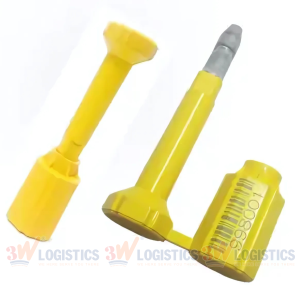
Image of a seal with a unique identification number
Why are seals important in logistics?
First of all, seals play a crucial role for several reasons. Firstly, they ensure cargo security. An intact seal indicates that the container has not been tampered with.
Secondly, seals are a legal and customs requirement. Many countries and ports require valid seals for import and export clearance.
Furthermore, seals help avoid commercial disputes. If cargo is damaged or missing upon arrival, an intact seal can prove that responsibility does not lie with the shipper.
Finally, seals enhance credibility. Partners and customers will have greater trust when containers are properly sealed.
👉 It can be said that a seal is the “security key” of a container. It not only protects goods but also serves as critical evidence in international transportation.


